37 things to do in Bangkok
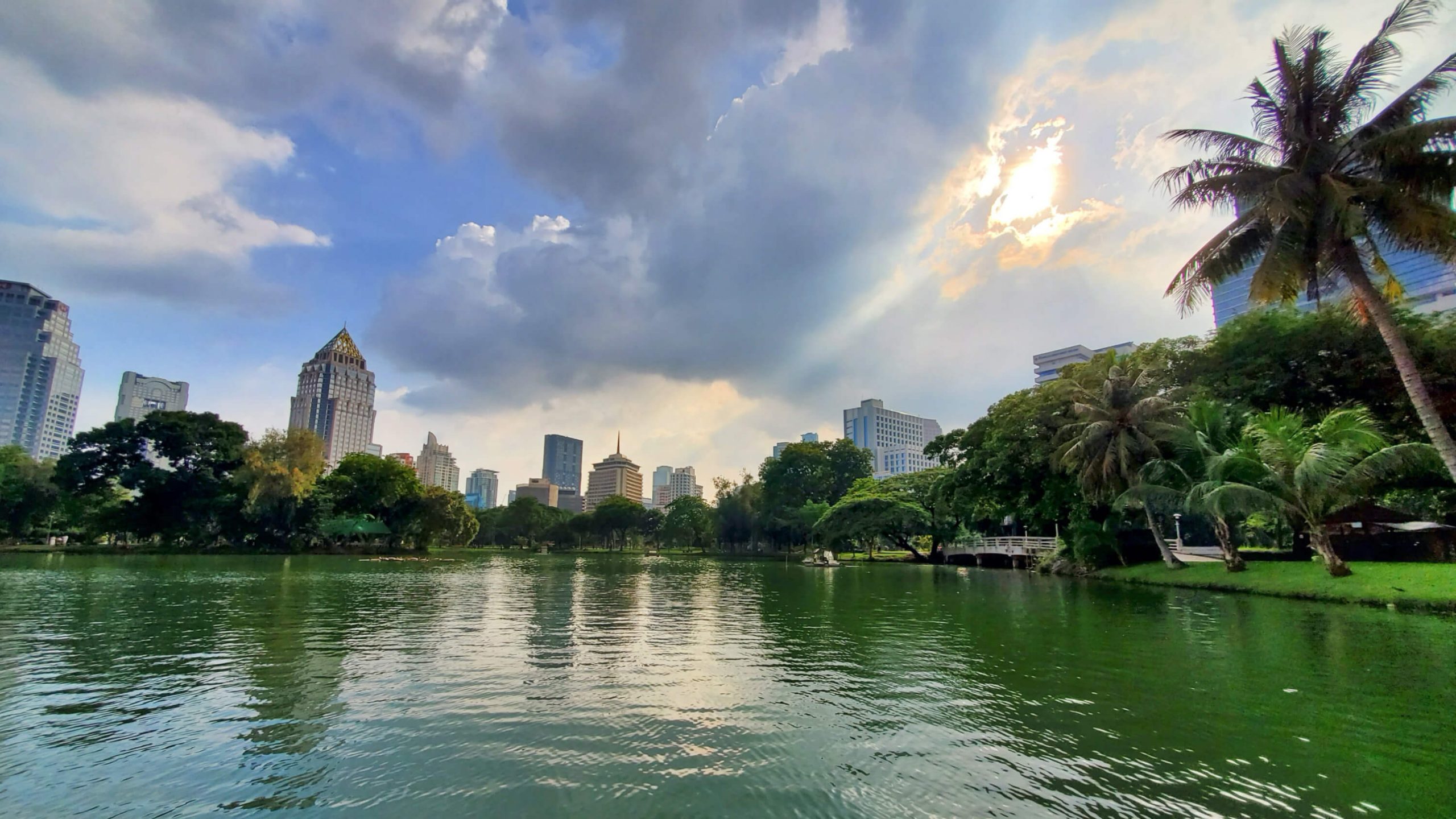
Bangkok is a lot. It’s a city of over 10 million people with more to do in a week than you’ll manage in a month, most of it in temperatures that hover around “uncomfortably warm”. This is what we think is worth your time, with prices, the nearest BTS or MRT station and honest opinions on what’s overrated.
If it’s your first trip, start with our beginner tips for Thailand and our guide to getting around Bangkok by BTS, MRT, and boat. There’s a reason we wrote an entire article called why I fucking love Bangkok, so give it more than three days if you can.
Temples and culture
Start with the big three on the river, then add the Golden Mount and Wat Traimit if you’ve got the energy. Muay Thai is in here too.
1. The classic temple hop - Grand Palace, Wat Pho, Wat Arun
These three are within walking and ferry distance of each other, and you can do all of them in one morning if you start at 8:30am. They’re the one piece of “tourist Bangkok” that genuinely lives up to the build-up.
The Grand Palace and Wat Phra Kaew (home of the Emerald Buddha, the most sacred Buddhist image in Thailand) is the headline. Wat Pho, a five-minute walk south, has the 46-metre gold Reclining Buddha and the original Thai massage school out the back. Wat Arun is a 5-baht ferry hop across the river. Its porcelain-encrusted spires look like nothing else in the city, and the climb to the central prang’s first terrace gives you the best view of the Chao Phraya.
Costs: Grand Palace + Wat Phra Kaew 500 baht. Wat Pho 300 baht. Wat Arun 200 baht plus 5 baht for the ferry. Wat Pho massage 340 baht for 30 minutes, 520 baht for 60 minutes.
Hours: Grand Palace 8:30am-3:30pm. Wat Pho 8am-7:30pm. Wat Arun until 6pm.
How to get there: Chao Phraya Express Boat to Tha Chang pier (N9), or Grab to Na Phra Lan Road.
All three are strict about shoulders and knees. If you forget, there are wrap-arounds at the gate for a refundable deposit or a small fee.
Ignore the men near the entrance, sometimes in uniform-style clothing, who tell you the palace is closed for a royal ceremony and offer a tuk-tuk to a “good temple”. It ends at a gem store. The palace almost never closes, so walk to the main gate and see for yourself. There’s more in our guide to common scams, and read up on temple etiquette before you go - it matters.
A guide is worth it here for the history, so book a guided temple tour on Viator.
2. Two more temples if the first three weren’t enough
These two don’t retread the same ground.
Wat Saket (the Golden Mount) - The underrated one. The 300-odd steps wind through trees and small shrines, and the 360-degree view from the top is the best you’ll get without paying for a sky bar. 100 baht, open 7am-7pm. Saen Saeb canal boat to Phan Fa pier, or a 20-minute walk from Khao San Road.
Wat Traimit - Home of the 5.5-tonne solid gold Golden Buddha, covered in plaster for 200 years to hide it from Burmese invaders and found when it was dropped during a move and the plaster cracked. 40 baht, plus 100 baht for the museum floors (the museum closes on Mondays). MRT Hua Lamphong, then a 5-minute walk into Chinatown.
3. Muay Thai at Rajadamnern Stadium
This is not the tourist show on Koh Samui. Rajadamnern is where professional fighters compete for rankings, and the banter from Thai gamblers in the cheap seats is half the entertainment. Sit in 3rd class for 1,000 baht and you’re in the thick of it.
Cost: 1,000-3,500 baht depending on seat class.
Schedule: Every night.
How to get there: Grab from the Khao San Road area. No convenient BTS/MRT station.
Lumpinee Stadium is the other venue, more prestigious but slightly less atmospheric, with fights mostly on Friday and Saturday. MRT Pink Line to Ram Inthra 3, then a 10-minute walk.
4. Free Muay Thai at MBK Fight Night
Professional bouts at street level outside MBK Center on Rama I Road, and it’s free.
Schedule: First and last Wednesday of each month, 6pm-8pm. Arrive early for a decent spot.
How to get there: BTS National Stadium.
Food and markets
Eating is one of the best reasons to come to Bangkok, and a lot of it happens at the markets.
5. Yaowarat Road (Chinatown) at night
Chinatown is why Bangkok appears in every food-lover’s top three cities. The best stalls on Yaowarat have been doing one dish for 40-60 years. Nai Ek Roll Noodle started as a cart in the 1960s, and Lim Lao Ngow, on a side street 150 metres off the main road, has held a Michelin Bib Gourmand for nine consecutive years.
What to eat: Oyster omelette (hoi tod), guay jub pork noodle soup, roast duck, grilled jumbo prawns, dim sum, mango sticky rice.
Cost: 150-400 baht for a serious eat-around.
Hours: Best 6pm-11pm. Avoid Mondays - many stalls close.
How to get there: MRT Wat Mangkon (blue line) drops you right in it.
It’s also where you’ll understand why Bangkok street food is so good. For someone to take you round the side streets, book a Chinatown food tour on Viator.
6. Jay Fai - Michelin-starred street food
Jay Fai (Supinya Junsuta) won a Michelin star in 2017 and hasn’t lost it. She cooks over charcoal in a shopfront, wearing goggles against the heat, and the crab omelette is the famous order. No bookings, just a walk-in queue.
Cost: Expensive for street food, but there’s only one Jay Fai.
Hours: Wed-Sat, 9am-7:30pm.
How to get there: Near Democracy Monument. Grab or taxi.
7. Bangkok cooking class
You eat whatever you cook, so pick a school whose menu appeals to you. The morning market visit is as valuable as the cooking. Silom Thai Cooking School (~1,500 baht) is the cheaper option and Blue Elephant (~3,000-3,500 baht) the more prestigious one.
Cost: 1,500-3,500 baht per person, including market visit and eating everything you make.
Book a cooking class on Viator.
8. The 7-Eleven situation
Japan aside, 7-Eleven in Thailand is the best convenience store on earth. When you live here, 7-Eleven is a staple - there’s always a reason to drop in. Start with the ham and cheese toastie, then work through the jelly drinks, iced lattes, custard-filled fish-shaped pastries and microwaved pad krapao. Most are open 24/7, and there’s one approximately every 90 seconds in central Bangkok. If you know, you know.
9. Chatuchak Weekend Market
The world’s largest weekend market, with 15,000 stalls across 27 sections. Come at 9am, because by noon the heat is punishing.
Sections 1 and 22-26 are antiques, 2-6 vintage and clothes, 3-4 plants. Pick up a free map at a kiosk - you will get lost without it. Avoid the pets section: conditions are bad for the animals and buying supports the trade.
Cost: Free entry. Budget 500-2,000 baht to spend.
Hours: Saturday and Sunday only, 9am-6pm.
How to get there: BTS Mo Chit, MRT Chatuchak Park, or MRT Kamphaeng Phet (Exit 2 drops you inside the market).
10. Jodd Fairs Night Market (Ratchada)
The most popular night market in Bangkok with locals and savvy tourists right now. It has more variety than Or Tor Kor, it’s easier to get to than Chatuchak, and the durian stalls are a spectacle.
Cost: Free entry. Dishes from 60-150 baht.
Hours: Daily 5pm-1am (Thu-Sun busiest).
How to get there: MRT Thailand Cultural Centre, Exit 4, 3-minute walk.
11. Pak Khlong Talat (the flower market) before dawn
At 3am the deliveries arrive from farms across Thailand, and marigolds, roses, lotus, jasmine and orchids get stacked ceiling-high. The colour is absurd and you can smell it from a block away. Go after a night out, when there are hardly any tourists.
Cost: Free entry. Flowers are cheap - 100-300 baht for a large bunch.
Hours: Open 24 hours. Most spectacular midnight-6am when deliveries arrive.
How to get there: Near Memorial Bridge. Grab recommended after midnight.
12. Maeklong Railway Market
The stalls are set up on active train tracks. The train passes eight times a day, and the vendors fold their awnings as it squeezes past, then open straight back up. Time your visit for a train, and combine it with Amphawa floating market for a full day.
Distance: 90 minutes from Bangkok.
Cost: Train from Wongwian Yai: 20 baht. Market entry: free.
13. Amphawa floating market (not Damnoen Saduak)
Damnoen Saduak is the Instagram classic and a tourist trap: busloads, overpriced souvenirs and boats that barely fit two people. Amphawa (Fri-Sun afternoons and evenings) has local food stalls along the canal and firefly boat trips at dusk (50-70 baht, an hour along the river). If you’re choosing one, choose Amphawa.
Book a combined Maeklong + Amphawa day trip on Viator if you want transport sorted.
On the water
The river and canal boats are cheap and one of the best ways to see the city.
14. Chao Phraya Express Boat
The best 19 baht you’ll spend in Bangkok. The commuter boats are standing room only, so you’re crammed in with everyone else, with spray from the bow and temples on both banks. The tourist boat (blue flag, 150 baht all-day pass) is fine, but the orange local boat (19 baht per ride, weekday rush hours only) is the real experience. Middays and weekends, it’s the yellow-flag boat instead.
Route: Sathorn/Central Pier (CEN) up to Nonthaburi. Stops at Grand Palace, Chinatown, and Khao San piers.
How to get there: BTS Saphan Taksin, Exit 2, walk straight to the pier.
15. Longtail boat canal tour through Thonburi
The Thonburi canals show you a quieter Bangkok of wooden houses, spirit houses, monks at wooden temples and kids swimming. Agree on the price and route before you get in, and include Wat Arun and the Royal Barges Museum if you can.
How to get there: Charter from piers near Wat Pho (Tha Tien area).
Pre-book a canal tour on Viator if you don’t want to negotiate at the pier.
16. Khlong Saen Saeb canal commuter boat
The locals’ commuter canal, connecting the old city to Pratunam and Sukhumvit. It’s loud, wet, packed and brilliant, and one of the most Bangkok things you can do. Wear clothes you don’t mind getting splashed.
Route: Phan Fa pier (near Golden Mount) to Wat Si Bun Rueang in Bang Kapi, changing boats at Pratunam.
Cost: 15-25 baht per segment.
Rooftop bars and nightlife
Bangkok’s nightlife runs from 1,500-baht rooftop cocktails to 90-baht beers in a Chinatown alley.
17. A rooftop bar at golden hour
The views are worth it, but the rooftop bars aren’t all the same.
Sky Bar at Lebua - The famous one from The Hangover Part II, at BTS Saphan Taksin. The Hangovertini is 1,500 baht plus service and tax. It’s slightly performative and you’re paying for the Instagram moment, so go once.
Vertigo at Banyan Tree - Better views, less crowded.
Tichuca Rooftop - The current Instagram favourite, at BTS Thong Lo, with a massive illuminated tree in the middle.
Char at Hotel Indigo - Hipper, less corporate, good craft cocktails.
Go at 5:30-6:30pm for the best light. Most venues want smart casual, so no flip-flops or shorts.
18. Thonglor and Ekkamai bar scene
Skip the Sukhumvit tourist strip and come here instead. The bars along Thonglor’s side streets are smaller and better, with almost no tourists.
How to get there: BTS Thong Lo.
Cost: Cocktails 350-600 baht.
19. Sukhumvit Soi 11
Bangkok’s most internationally accessible club strip. Levels Club is the anchor (commercial EDM and hip-hop), Sugar Club does hip-hop and R&B, and Fridays are best.
How to get there: BTS Nana.
Cost: No cover most venues; Sugar Club charges 200-300 baht. Drinks from 200 baht.
20. Soi Nana bar street (Chinatown)
A single alleyway in Chinatown that’s become one of Bangkok’s best small bar streets. Look for Ba Hao, a Chinese-inspired bar in a four-storey shophouse. It’s younger, artsier and more local than Sukhumvit.
How to get there: MRT Hua Lamphong or Wat Mangkon, 10-minute walk from Yaowarat.
Cost: Beers from 90 baht. Cocktails 200-400 baht.
21. RCA (Royal City Avenue)
Bangkok’s official nightlife zone, where young Thai clubbers go rather than tourists. The flagships are Route 66 (zones for hip-hop, Thai pop and live bands, and EDM) and Space Plus (a massive EDM club, 2,000 capacity). Don’t arrive before midnight.
How to get there: MRT Phra Ram 9, 20-minute walk or Grab.
Cost: Route 66 charges foreigners about 300 baht, including a drink coupon. Drinks from 150 baht.
Off the tourist trail
Most first-time visitors miss these, and there are a few classics in here worth doing once.
22. Bang Krachao - Bangkok’s green lung by bicycle
Bang Krachao is a teardrop-shaped peninsula in a bend of the Chao Phraya, covered in jungle, community gardens and quiet roads. It’s just across the river, about 30 minutes from the BTS (technically in Samut Prakan), but it feels completely separate, with almost no foreign tourists.
Hire a bicycle at the pier (around 50 baht an hour or 100 baht a day), explore Sri Nakhon Khuean Khan Park, stop at a local coffee shop, and be back in the city by noon. It’s the best Bangkok experience that no guide in your hostel will recommend.
How to get there: MRT Khlong Toei, then Grab to Wat Khlong Toei Nok pier, then a 10-baht ferry.
Best time: 7am-noon before the heat. Weekends have more bicycle hire options.
23. Baan Silapin (Artist’s House) puppet shows
A 200-year-old wooden shophouse on a quiet Thonburi canal, where a collective of artists live and work. There are traditional hun lakhon lek puppet shows, painting exhibitions and a canal-side cafe, and almost no foreign tourists. It’s one of the few places in Bangkok that feels completely unperformed.
Cost: Free entry. Puppet shows: donation requested.
Hours: Daily 10am-6pm. Puppet shows at 2pm every day except Wednesday.
How to get there: Grab to Khlong Bang Luang, 15 minutes from Wat Arun. Or negotiate a longtail boat stop.
24. A tuk-tuk ride (once, with the price agreed up front)
You always have to negotiate a price, it’ll always be more expensive than a Grab, and there are basically no rules either. Agree on a price before you get in - 100-200 baht for a short ride is normal. Refuse any driver who wants to take you to a “special shop” or on a “tour” (including the 50-baht temple tours), because they end at a gem store. If you’d rather skip the negotiation, Grab gives you a fixed price upfront.
25. A custom suit on Sukhumvit or Silom
Getting a suit made seems odd in Thailand at first - it’s a climate where you’d happily never wear long sleeves again. But if you’re in the market for a custom suit, there’s serious talent on Bangkok’s streets. Budget 5,000-15,000 baht for a decent suit with multiple fittings. Good tailors need at least three to four days and two fittings, so if someone promises a suit in 24 hours, walk away. Sukhumvit and Silom have the most tailors. Read recent reviews, and whatever you do, don’t follow a tuk-tuk driver’s “recommendation.”
26. Shooting range
Thailand is one of the few places where you can walk in off the street and fire pistols, shotguns and semi-automatic rifles. There are ranges in Bangkok, Pattaya, Chiang Mai and Phuket, and the price depends on what you shoot (it’s not cheap). Safety briefings vary wildly in quality, so pick a place with decent recent reviews rather than the first one a tout points you at.
27. Wat Ratchabophit - the temple nobody visits
Wat Ratchabophit has a circular cloister around the chedi (unusual in Bangkok), ornate Benjarong porcelain tiles and a walled garden of perfectly trimmed trees, and it’s usually completely empty. It’s architecturally stranger and more interesting than Wat Pho, a 15-minute walk away and packed with people.
Cost: Free.
How to get there: 10-minute walk from the Grand Palace, near Sanam Luang.
28. Talat Noi street art district
Bangkok’s most concentrated street art, with murals by Thai and international artists across a dense network of alleyways. Good cafes and small bars have followed. Explore it on foot with no plan.
Cost: Free.
How to get there: Near MRT Hua Lamphong or Wat Mangkon. 10-minute walk from Yaowarat.
29. Lumpini Park - monitor lizards and morning tai chi
Lumpini Park has resident water monitors (up to 2 metres long) wandering the lake edges, completely unconcerned by humans. Early mornings bring Thai retirees doing tai chi and aerobics. It’s a normal park, apart from the enormous prehistoric-looking lizards sharing the path.
Cost: Free.
Hours: 4:30am-9pm daily. Most interesting before 9am.
How to get there: MRT Lumphini or Silom.
30. Khao San Road - once, after dark
You have to see it once, even if only to form an opinion. Bangkok’s backpacker strip is loud, chaotic, full of overpriced pad Thai, and frankly brilliant at 11pm on a Friday. Don’t eat dinner here. Rambuttri Road, parallel and 50 metres away, has the same energy with cheaper drinks.
The ghost tower, a 49-storey abandoned skyscraper on the Chao Phraya, is a boat ride downriver at Saphan Taksin.
Cost: Beer from 80 baht. Cocktail buckets 200-300 baht.
31. Akara Sky Hanuman
Four levels of reflective installations, art and panoramic views on floors 58-61 of One City Centre, including the Bangkok Reflection zone and a Hanuman statue.
How to get there: BTS Phloen Chit, Exit 5 - direct access.
Newer arrivals
Both of these opened in 2025, so older Bangkok guides won’t have them.
32. Mahanakhon I-Tilt
An outdoor platform on the King Power Mahanakhon skyscraper that tilts you 65 degrees out over the skyline at 296 metres. It’s combined with the glass-floor SkyWalk (314m). Not for anyone uncomfortable with heights.
Cost: From 800 baht, combined with SkyWalk.
How to get there: BTS Chong Nonsi, 5-minute walk.
33. Dib Bangkok - contemporary art museum
Thailand’s first international contemporary art museum, opened in December 2025 on Sukhumvit Soi 40, near Ekkamai. Worth it if you’re interested in Bangkok’s growing art scene.
Cost: 550-700 baht.
How to get there: BTS Ekkamai, short Grab.
Day trips from Bangkok
All four work as a day out, though Kanchanaburi and Khao Yai are better with a night.
34. Ayutthaya by bicycle
The former capital of Siam and a UNESCO World Heritage site, 80km north. Hire a bicycle at the pier and do the temples at your own pace: Wat Mahathat for the Buddha head in the tree roots, Wat Phra Si Sanphet for the grand ruined chedis. Skip the tour bus, which puts you in a convoy of minivans shuffling between the same five sites. Half a day on your own with a bicycle beats a full-day guided group.
How to get there: Train from Hua Lamphong: 15-20 baht (3rd class), about 2 hours. Faster trains leave from Krung Thep Aphiwat and take about an hour. Minivan from Mo Chit: 100-150 baht.
Cost: Ruins entry 50 baht each.
If you’d rather have a guide handle logistics, book an Ayutthaya day trip on Viator.
35. Maeklong + Amphawa floating market (combined day)
Maeklong in the morning for the train through the market, then Amphawa for the evening canal market and an optional firefly boat (50-70 baht, an hour along the river at dusk). Leave Bangkok by 7:30am.
Distance: ~90km from Bangkok.
Cost: Day tour: 800-1,500 baht including transport. Self-guided: ~300 baht transport plus food.
Book a combined day trip on Viator.
36. Kanchanaburi - Death Railway, River Kwai, Erawan Falls
The Death Railway train from Kanchanaburi to Nam Tok (100 baht, 90 minutes) is the most dramatic train ride in Thailand, with the Wampo Viaduct section carved into a cliff above the river. The WW2 POW history is sobering. Erawan Falls (7 tiers, all swimmable, 300 baht park entrance) adds another 90 minutes each way. You can do both in a day if you have the energy, but an overnight stay is better.
Distance: ~130km, 2.5-3 hours from Bangkok.
Cost: Minivan from Mo Chit: 120 baht.
Book a Kanchanaburi day trip on Viator.
37. Khao Yai National Park
Thailand’s most-visited national park and a UNESCO World Heritage site, with wild elephants, hornbills and gibbons. The highlight is the night ranger safari, spotlighting wildlife on the forest roads. It’s best as an overnight, but doable in a long day.
Distance: ~160km northeast, ~2.5 hours.
Cost: 400 baht park entrance. Night safari with ranger: 600 baht per truck (up to 10 people).
Find accommodation near Khao Yai on Booking.com or Agoda.
Getting around
The BTS Skytrain and MRT cover the main city well. A Rabbit card (refillable, from any BTS station) saves queuing for BTS tickets, and the MRT takes contactless bank cards. The Chao Phraya Express Boat is the best way to reach the old city temples.
For everything else, use Grab: it shows a fixed price upfront, so there’s no meter argument. Our guide to avoiding Bangkok taxi scams covers the rest.
When to go
November to February is the sweet spot: cooler (25-32°C), drier and comfortable for walking. March and April get properly hot (35°C+). Songkran in mid-April is Bangkok’s water festival, brilliant if you’re into it and overwhelming if you’re not.
May to October is rainy season, but it’s usually afternoon downpours with clear mornings, and hotel prices drop significantly. Our best time to visit Thailand guide has the full picture.
Scams worth knowing about
The Grand Palace and tuk-tuk scams are covered above, and Damnoen Saduak isn’t a scam, just heavily touristy. Two more are worth knowing.
Taxi meter refusals - Say “meter?” before getting in. If they refuse, use Grab.
Vaping fines - E-cigarettes are illegal in Thailand (up to 5 years in prison, a fine of four times the vape’s value plus duty, or both). Police sometimes demand cash payments of 27,000-40,000 baht, often at the station. Leave the vape at home.
How to find good food
Eat where locals eat - a long queue of Thai people is the best sign of quality. Our guide to how to spot a good local restaurant helps if you’re new to Thailand. And the next time someone tells you Bangkok banned street food - they didn’t. It’s still very much alive.