When is the best time to visit Thailand?
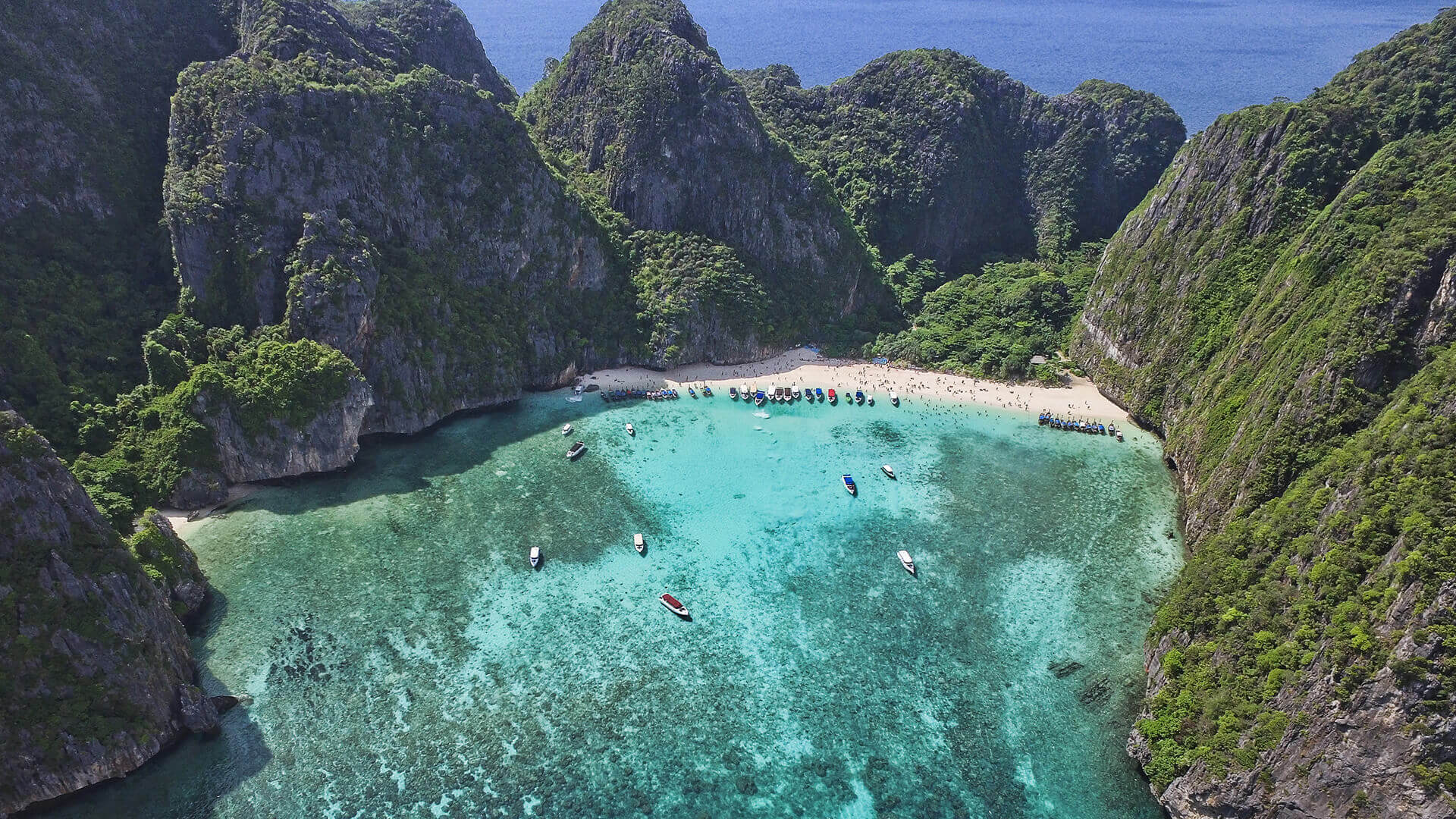
We think any time is the best time to visit Thailand, but each season in Thailand does play out a little differently depending on which region you’re in and what activities you plan to do.
Every travel website will tell you the best time to visit Thailand is November to February. They’re not wrong - the weather is great. But if that’s the only information you’re working with, you’re missing the full picture.
Thailand is a big country with regional weather patterns that don’t sync up. When the west coast is getting pounded by monsoon rain, the Gulf islands are staying mostly dry. When the north is choking on smoke in March, the beaches are crystal clear. And when everyone else is paying peak season prices in December, you could be paying half that in May and barely getting rained on.
We’ve been here long enough to know that the “best” time depends entirely on what you want to do and where you want to go. So here’s every month broken down.
TL;DR - Seasons are usually categorised as “high season” and “low season” - for the majority of the country, that looks like this:
High season: November to March
Low season: May to October
April falls somewhere in the middle as there’s still less rain, but the temperatures are the highest.
If you skip through the article, make sure you are aware of the burning/smokey season so you don’t get caught out.
High season
High season has less chance of rain and generally cooler temperatures, except on the southern Gulf coast where rain can continue into December. It is only slightly cooler as Thailand is hot all year round, but the few degrees less really helps if you’re not good with heat. The high season also falls over popular holidays such as Christmas and New Year, which combined with increased numbers of tourists results in higher costs, especially accommodation.
Low season
Low season sees more rain, humidity and higher temperatures, but with fewer tourists and lower prices. As you may discover, low season doesn’t mean it’s going to be raining all the time (tropical storms are cool by the way). Often the rain can pass in minutes or hours and the weather is amazing.
The three seasons
Sometimes people split high and low into three seasons instead, though they blur into each other:
Cool/dry season (mid-October to mid-February) - This is peak season. Temperatures in the mid-20s to low-30s Celsius, low humidity, minimal rain. Crowds and prices peak over Christmas and New Year.
Hot season (mid-February to mid-May) - Temperatures climb into the high 30s and can exceed 40°C in April. Still mostly dry, but you’ll be sweating. Burning season hits the north hard during this period.
Rainy season (May to October) - Monsoon rains, usually falling as afternoon downpours rather than all-day drizzle. Prices drop significantly. The Gulf islands (east coast) actually stay fairly dry during much of this period.
The hot and cool aspect of the seasons are more noticeable depending on how far north or south you are. Thailand is over 1600km/1000mi long so if you’re visiting Chiang Mai in the North during January you may even need a light jacket. This wouldn’t be the case in Phuket in the South where it’s either hot, or very hot.
The “burning/smokey season”
Before we go any further, we have to talk about the burning/smokey season. Every year after the high/cool season starts to wind down, farmers begin burning their crops, both inside of Thailand and in neighbouring countries. The result is a blanket of smog that primarily affects northern Thailand, Isan (north east) and sometimes central Thailand, adding to the already questionable pollution in Bangkok.
If you’re planning to visit northern Thailand (Chiang Mai, Chiang Rai, Pai, Mae Hong Son) between late February and April, check the air quality first. The smoke settles over the mountains, and air quality in Chiang Mai regularly exceeds 200 µg/m³ (the “unhealthy” threshold is 55). Some days are bad enough that you can’t see the mountains, and people with respiratory issues should stay indoors.
Some years are worse than others, but it’s bad enough that you don’t want a week of your holiday in Chiang Mai during this time.
You can see both current and historical air quality on websites such as aqicn.org. If the AQI is consistently above 150, consider postponing your northern trip or focusing on the beaches instead.
Temperature & rainfall
| Average | Jan | Feb | Mar | Apr | May | Jun | Jul | Aug | Sep | Oct | Nov | Dec |
|---|---|---|---|---|---|---|---|---|---|---|---|---|
| Temp (°C) | 24 | 26 | 28 | 30 | 29 | 28 | 28 | 27 | 27 | 27 | 26 | 24 |
| Min Temp (°C) | 18 | 20 | 22 | 24 | 24 | 24 | 24 | 24 | 23 | 23 | 21 | 19 |
| Max Temp (°C) | 30 | 32 | 34 | 35 | 33 | 31 | 32 | 31 | 31 | 31 | 30 | 30 |
| Rainfall (mm) | 28 | 23 | 40 | 85 | 183 | 177 | 196 | 219 | 252 | 190 | 125 | 57 |
Now here’s the month-by-month breakdown.
January
Weather: Clear skies across most of the country. Temperatures in the mid-20s to low-30s Celsius. Humidity is low. This is as good as Thai weather gets.
Where to go: Anywhere, genuinely. This is one of the few months where every region works.
Up north, Chiang Rai is cool enough to hike without drowning in sweat - the White Temple, Blue Temple, and a day trip to the Golden Triangle keep you busy for three or four days. Pair it with Pai if you want mountain scenery and a backpacker vibe, or Chiang Khan on the Mekong if you want something quieter that most tourists skip entirely.
Bangkok is actually pleasant for walking around in January. Cooler mornings, less humidity. Good time to hit temples and street food without melting. Check our guide to getting around Bangkok before you go.
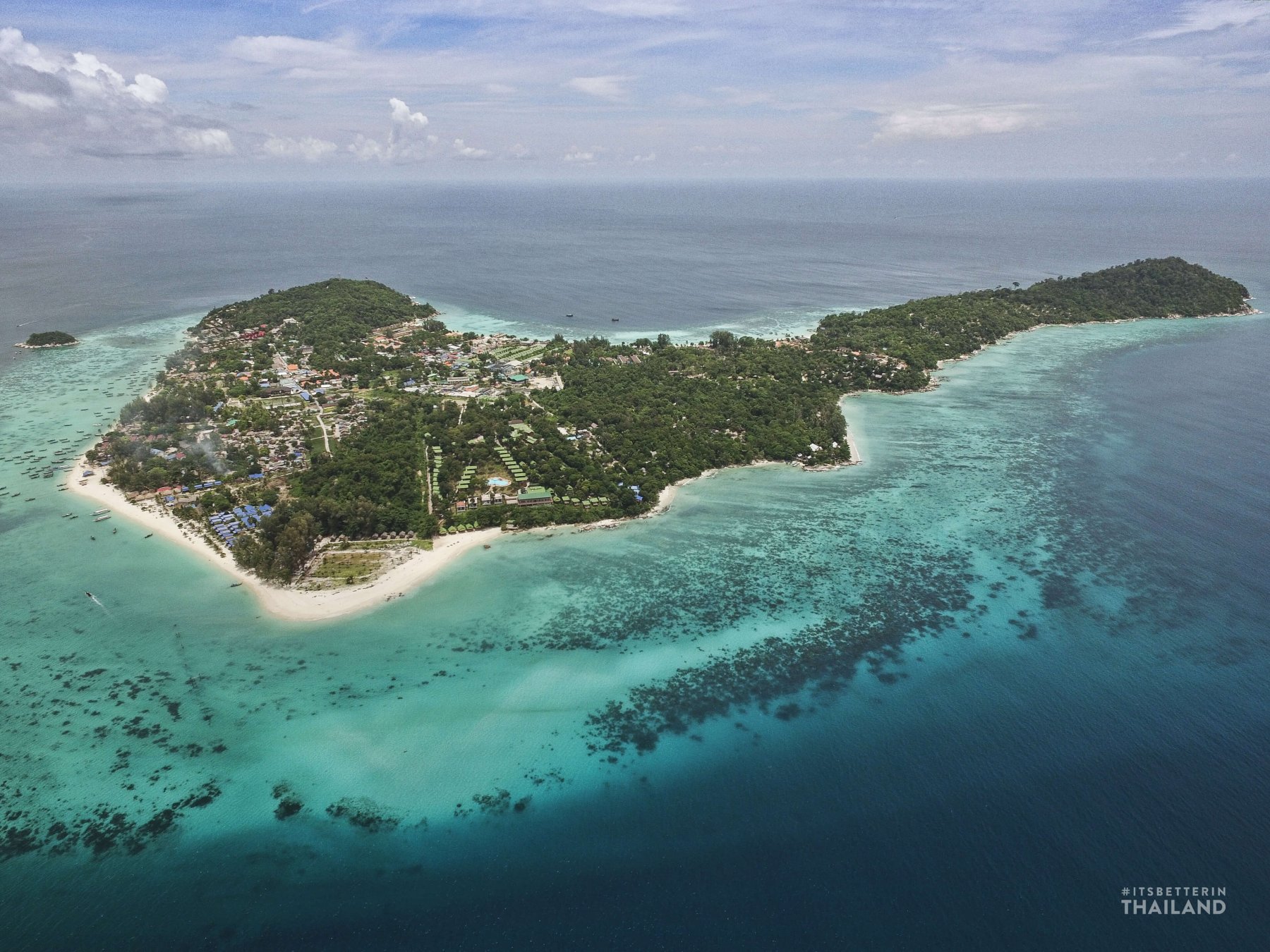
For beaches, this is prime Andaman coast season. Koh Lipe has the clearest water in Thailand right now. Railay and Tonsai are perfect for rock climbing. Koh Lanta is the laid-back option. You can string all three together - fly into Krabi, ferry between them. The Similan Islands are open (they close in May) and the diving is world-class. Most boats leave from Khao Lak.
On the Gulf side, Koh Samui may still catch occasional showers early in the month but clears up quickly. Koh Phangan and Koh Tao are good for diving - visibility is excellent.
Crowds and costs: High. January is peak season, especially the first two weeks as the Christmas/New Year holiday winds down. Book accommodation early or pay a premium for what’s left.
Festivals: Chinese New Year preparations begin (it falls on 6 February in 2027).
Our take: One of the best months. If weather is your priority and you don’t mind crowds, book January.
February
Weather: Still dry and comfortable in most regions. Late February marks the start of rising temperatures.
Where to go: Beaches remain excellent across both coasts. The Andaman side - Koh Phi Phi, Ao Nang, Koh Lipe - is still in peak form. A popular route is flying into Krabi, spending a few days at Railay for climbing and beach time, then ferrying down to Koh Lanta for something more relaxed.
The north is still good but watch for smoke appearing in the second half of the month. If you’re heading up there, go early February and combine Chiang Mai with a few days in Pai before the haze settles in. The Chiang Mai Flower Festival falls on the first weekend and is worth seeing if you’re in town.
Hua Hin is an underrated February pick - about 3 hours from Bangkok, quieter than the islands, good seafood, and easy to combine with a few days in the capital.
Crowds and costs: Still high season prices, but crowds thin slightly compared to December/January.
Festivals: Chiang Mai Flower Festival (first weekend of February). Chinese New Year (6 February 2027). Makha Bucha (Buddhist holiday, date varies by lunar calendar - 21 February in 2027).
Our take: Great month to visit. You get most of the weather benefits of peak season with slightly fewer crowds. The Flower Festival is worth catching if you’re in the north.
March
Weather: Temperatures climb into the mid-30s. The hot season is arriving. Northern Thailand starts getting smoky from crop burning.
Where to go: Beaches only. Avoid the north unless you enjoy breathing smoke. Check aqicn.org before booking anything in Chiang Mai or Chiang Rai - PM2.5 levels regularly hit 200 µg/m³ or worse.
This is still great beach weather across both coasts. Koh Chang is a solid pick - close enough to Bangkok to reach overland, big enough to explore for several days. Pair it with Koh Kood (the quietest island in the Trat group) or Koh Mak for a more relaxed pace. The three islands connect by ferry so you can hop between them easily. Check out our things to do in Koh Chang guide for specifics.
On the Andaman side, the Similan Islands are still open and the visibility underwater is excellent. Base yourself in Khao Lak and do day trips or liveaboards. Khao Sok is just inland from there - the floating bungalows on Cheow Lan Lake are one of the best things you can do in Thailand, and March is dry enough to enjoy it properly.
If you want a weekend-trip beach from Bangkok without flying, Koh Samet is 3 hours away and still dry in March. Koh Larn off Pattaya is even closer - a 45-minute ferry from Pattaya.
Crowds and costs: Shoulder season begins. Prices start dropping from peak levels.
Festivals: Nothing major in 2027 (Makha Bucha falls in February this time).
Our take: Skip the north. The beaches and islands are still great and you’ll pay less than in January. One of the best months for island hopping on the Andaman or Trat coast.
April
Weather: The hottest month. Bangkok sits in the high 30s and the central plains regularly pass 40°C. Even the beaches are hot. Pack light clothes and stay hydrated.
Where to go: Anywhere with air conditioning and a pool. The islands remain swimmable. The north is still smoky, especially early April.

For Songkran, the biggest parties happen in Bangkok (Khao San Road and Silom are the epicentres), Chiang Mai (the old city moat becomes a warzone), and Pattaya (which extends the party to a full week). Smaller towns celebrate too but with more temple visits and family gatherings than water cannons.
If you want to escape the heat and skip Songkran, head to the islands. Koh Phangan still has Full Moon Parties running. Koh Tao is good for diving. Koh Lipe is in its last month of season before most of it shuts down for monsoon. On the Gulf side, Koh Samui is hot but still comfortable enough for beach days.
Crowds and costs: Songkran (13-15 April) brings huge domestic crowds and spikes in prices. Book accommodation well in advance for anywhere popular. Outside of Songkran week, prices are moderate.
Festivals: Songkran (13-15 April 2027). Thailand’s biggest festival. Nationwide water fights, temple visits, family gatherings. It’s chaotic, hot, wet, and fun. If you’ve never experienced it, it’s worth planning your entire trip around.
Our take: Come for Songkran or accept the heat and enjoy lower prices before/after the festival. Just don’t plan serious outdoor activities in the middle of the day.
May
Weather: Still hot, but the first monsoon rains bring relief. Showers are typically short afternoon bursts, not all-day rain.
Where to go: The Gulf islands are now the better bet. This is when to pivot east. Koh Samui, Koh Phangan, and Koh Tao are all in a rain shadow and getting sunshine while the Andaman coast (Phuket, Krabi, Koh Lanta) starts getting rain. You can string all three Gulf islands together on one trip - Surat Thani is the gateway, with ferries connecting all of them.
Koh Tao is one of the cheapest places in the world to get your PADI certification, and May is good diving season there. After diving, ferry up to Koh Phangan for the Full Moon Party, then Koh Samui for something more polished. That’s a classic two-week route.
If you’d rather skip islands entirely, the north is finally clear of smoke and the first rains green everything up. Chiang Mai is quieter and cheaper than peak season, and the surrounding mountains are lush. Pai is great in May - fewer tourists, green rice paddies, and cool evenings.
Bangkok itself is hot but manageable if you’ve got a hotel with a pool and you do your sightseeing in the morning.
Crowds and costs: Low season begins. Prices drop noticeably. Fewer tourists everywhere.
Festivals: The Rocket Festival (Bun Bang Fai) in Yasothon and across Isan is one of the wildest things you’ll see in Thailand - massive homemade rockets launched into the sky to bring rain, with parades, dancing, and a lot of lao khao. Visakha Bucha (important Buddhist holiday) sees candlelit temple ceremonies nationwide. Royal Ploughing Ceremony in Bangkok (date varies, usually early to mid May).
Our take: People write off May too quickly. Rain isn’t constant, the Gulf islands are excellent, and prices have dropped. Worth considering if you’re watching your budget.
June
Weather: Monsoon season settles in. The Andaman coast (west side) gets regular rain. The Gulf coast stays drier. Bangkok and the north see afternoon showers.
Where to go: Gulf coast is the play here. Koh Samui is in a rain shadow and stays fairly dry from June through August - which means you’re getting good island weather at low season prices. Koh Phangan is quiet enough in June that you can actually find a bungalow on the beach without booking months ahead. Koh Tao still has good diving visibility.

If you’re not a beach person, June is actually a good time for northern Thailand. The burning season smoke is long gone, the landscape is green and lush, and accommodation in Chiang Mai is cheap. Combine Chiang Mai with Chiang Rai (3 hours by bus) and Chiang Khan on the Mekong if you want to do a proper northern loop.
An offbeat option: head to Loei province for the Ghost Festival (below) and combine it with Khao Kho - a mountain area with viewpoints and cool weather that most international tourists have never heard of.
Stay off the Andaman coast - Phuket, Krabi, Koh Lanta, and Koh Phi Phi are getting monsoon rain and some ferries stop running.
Crowds and costs: Proper low season. Prices are 30-40% below peak for accommodation. Beaches are quiet.
Festivals: Phi Ta Khon (the Ghost Festival) in Dan Sai, Loei province, is one of Thailand’s most photogenic festivals. Locals wear handmade ghost masks and parade through town. It’s tied to a Buddhist legend, but the vibe is more party than prayer. Dates vary (usually late June or early July) - check locally.
Our take: If you want Thai islands without crowds, the Gulf is your answer. Just avoid the Andaman coast. And if you can time it with Phi Ta Khon, the detour to Loei is worth it.
July
Weather: Similar to June. West coast wet, east coast (Gulf) dry. The north sees regular rain but nothing extreme.
Where to go: Gulf islands remain the best option. The Koh Samui to Koh Tao ferry route is running smoothly, and you’ll have your pick of accommodation at low season rates. Koh Phangan Full Moon Parties are smaller than peak season - some people prefer it that way.
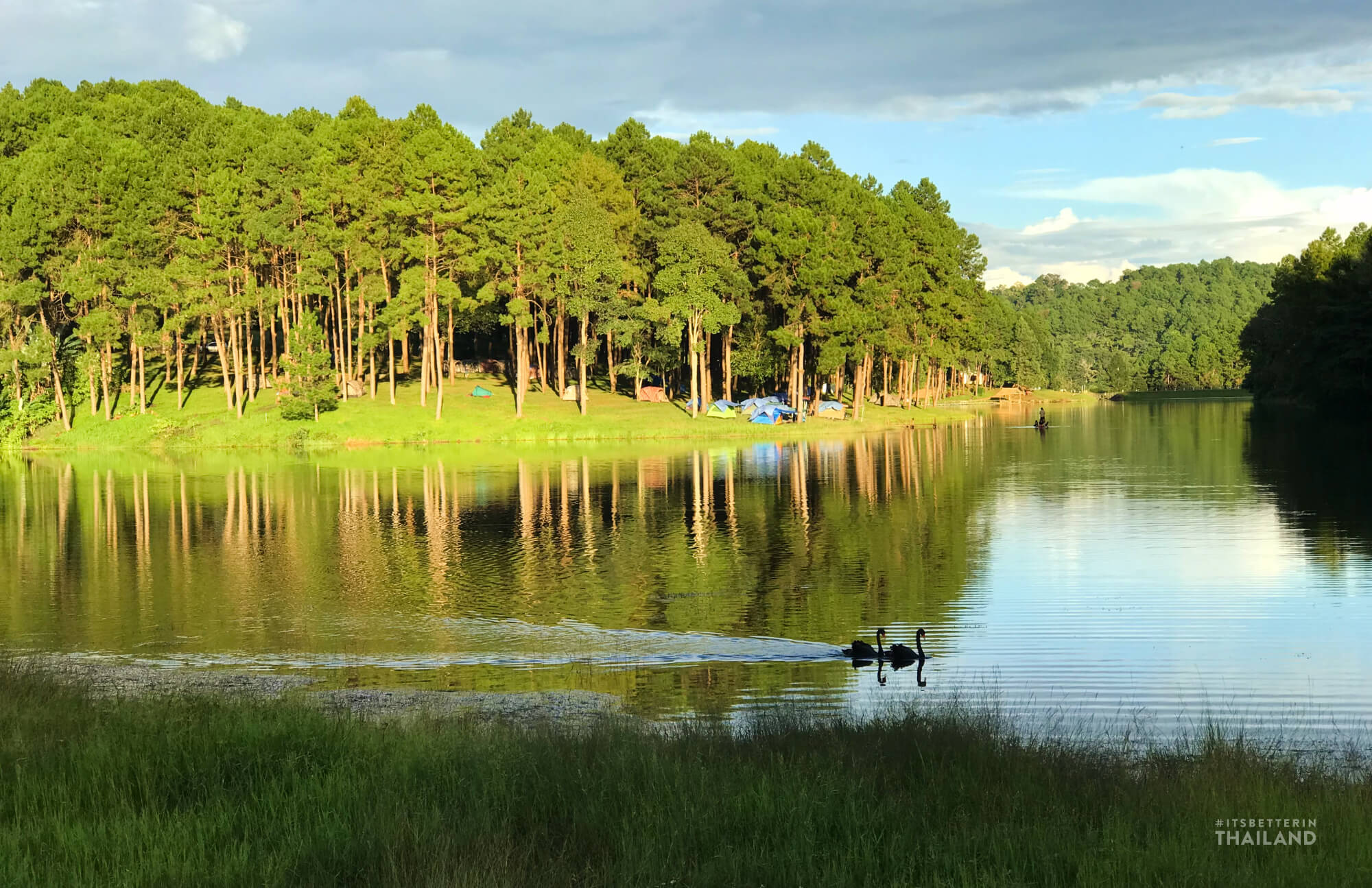
On the Andaman coast, the waves pick up. Koh Phayam off the Ranong coast gets some of the best surfing in Thailand from July through September. It’s a small island with a chilled-out vibe - no cars, just motorbikes and bicycles.
The north (Chiang Mai, Chiang Rai, Pai) sees afternoon showers but nothing that ruins a trip. Green season up there is genuinely beautiful and the waterfalls are at full flow.
Crowds and costs: Low season continues. Good hotel deals across the board.
Festivals: Asalha Puja and Buddhist Lent (Khao Phansa) begins. You’ll see candlelit processions at temples across the country.
Our take: Another good month for budget beach travel on the Gulf side. If you want something different, Koh Phayam is one of our favourite under-the-radar picks.
August
Weather: Similar pattern continues. Monsoon is established but not at its heaviest yet.
Where to go: The Gulf trio - Koh Samui, Koh Phangan, Koh Tao - are still the go-to. Whale sharks occasionally show up around Koh Tao in August, which is a decent reason to be there with a dive cert.
Bangkok works for a city break if you don’t mind afternoon rain. The rain actually cools things down. Shopping malls, temples, and street food don’t care about the weather. Pair a few days in Bangkok with Koh Samet (3 hours away) for a quick beach add-on - it’s one of the driest spots in Thailand even during monsoon.
Khao Yai national park is green and dramatic this time of year. The waterfalls are pumping. It’s 3 hours from Bangkok and works as a weekend trip or a stop on the way northeast.
Crowds and costs: Still low season. Some resorts close for renovations on the Andaman coast.
Festivals: Queen Mother’s Birthday/Mother’s Day (12 August).
Our take: Good for budget travellers targeting the Gulf. Koh Samet is a smart play if you want a beach close to Bangkok that stays dry.
September
Weather: The wettest month in most of Thailand. Monsoon is at full strength. Flooding can occur in some areas.
Where to go: This is the toughest month to recommend anywhere specific. The Gulf islands are still fairly dry, but their own rainy season is only weeks away. If you must travel, Bangkok and the central region are manageable - rain comes in bursts, not all day.
Bangkok is actually a reasonable September pick if you focus on indoor stuff - temples, shopping, street food, cooking classes. The rain cools the city down from the brutal heat of April. Pair it with Koh Samet for a beach day or two - it genuinely stays drier than almost anywhere else.
If you’re an experienced traveller who doesn’t mind flexibility, the north can work. Chiang Mai and Pai get afternoon showers, but mornings are often clear and the landscape is at its greenest. You’ll practically have the place to yourself.
Crowds and costs: The cheapest month of the year. Hotels can be 50-60% off peak rates. Flights are cheap. But there’s a reason.
Festivals: Nothing major.
Our take: Only visit if you’re very flexible, don’t mind rain, and want the absolute lowest prices. Travel insurance is worth having for trip disruption.
October
Weather: Still wet, but the monsoon begins winding down by late October. The Gulf’s heaviest rain starts this month and runs into December (reversed from the Andaman pattern).
Where to go: Wait until late October if you can. The Andaman coast starts drying out, and by the last week you can get some proper beach days on Phuket and Ao Nang. The Gulf is heading into its wettest stretch - avoid Koh Samui and Koh Phangan this month.

Late October is a smart time for Phuket specifically because of the improving weather. Combine Phuket with a few days at Khao Sok - the national park is dramatic after months of rain, and the floating bungalows on the lake are available at low season prices.
Hua Hin is another reasonable option - close to Bangkok, drier than the islands, and good seafood.
Crowds and costs: Still low season prices. Late October sees tourists starting to return as weather improves.
Festivals: Vegetarian Festival in Phuket (dates vary, usually October). It’s wild - ceremonial piercings, firewalking, and nine days of meat-free eating. Worth the trip if you can handle the extreme rituals.
Our take: Late October can work, especially for the Andaman coast. Early October is similar to September - wet and cheap.
November
Weather: The switch happens. Monsoon retreats, high season begins. Clear skies return to most of the country. The Gulf is the exception - November is its wettest month.
Where to go: Everywhere except the Gulf islands. The weather is improving daily and you can plan almost any itinerary.

The classic first-timer route opens back up: Bangkok (2-3 days) to Chiang Mai (3-4 days) to the beaches (4-5 days). Fly between them - domestic flights are cheap and save you 10+ hours on buses.
The Andaman coast is back in business. Koh Lipe reopens for the season with its white sand and clear water. Koh Phi Phi and Railay are dry again. The Similan Islands reopen (usually mid-October, but check) and the diving season begins - book liveaboards from Khao Lak.
The north is at its best. Chiang Mai and Chiang Rai are cool and clear. Pai is green and the waterfalls are still flowing. The Mae Hong Son Loop is one of the best road trips in Southeast Asia and November weather makes it comfortable on a scooter.
For Loy Krathong, anywhere near water works, but Sukhothai (the historical park) and Chiang Mai (the river and old city moat) are the most atmospheric locations. If you’re in Chiang Mai for Yi Peng, book months ahead - every guesthouse fills up.
Crowds and costs: Prices begin climbing. Early November is a sweet spot - good weather, not yet peak prices.
Festivals: Loy Krathong (24 November 2026, 13 November 2027). People float decorated baskets on rivers and lakes across the country. Yi Peng in Chiang Mai (the same full moon) adds thousands of sky lanterns. Both are worth planning around. The Surin Elephant Round-up (third weekend of November) in Isan showcases hundreds of elephants in parades, demonstrations, and a massive buffet for the elephants themselves. It’s unlike anything else in Thailand.
Our take: One of our favourite months. Weather is great, prices haven’t fully peaked, and Loy Krathong is beautiful. If you want to see the lantern festivals, book Chiang Mai accommodation early. Yi Peng sells out.
December
Weather: Peak conditions. Cool mornings (by Thai standards), warm days, minimal rain. This is what everyone comes for.
Where to go: Anywhere except the Gulf islands, which are still wet. Every other region is at its best. Beaches are calm on the Andaman side, the north is cool, Bangkok is tolerable.

This is the month where multi-stop itineraries really shine. Some routes that work well:
Beach hopper (2 weeks): Fly Bangkok to Krabi, start at Railay (rock climbing, beach), ferry to Koh Phi Phi (snorkelling, nightlife), then Koh Lanta (chill, families). Or head south to Koh Lipe for the best snorkelling in Thailand.
North to south (3 weeks): Bangkok (3 days) to Chiang Mai (3 days, include a day trip to Chiang Rai) to Pai (2-3 days), fly back to Bangkok, then fly to Phuket or Krabi for a week on the islands.
Gulf route (10 days - save it for January onwards): Fly to Surat Thani, ferry to Koh Samui (3 days), Koh Phangan (2-3 days, time it for Full Moon Party if you want), Koh Tao (2-3 days for diving), ferry back.
Island hopper - east (1 week): Bus from Bangkok to Trat, ferry to Koh Chang (3 days), then Koh Kood (2-3 days) or Koh Mak (2 days). This route avoids flights entirely and costs a fraction of the Andaman.
Crowds and costs: Peak season pricing. Christmas and New Year see maximum crowds and prices. Book months in advance for popular destinations.
Festivals: Constitution Day (10 December). New Year’s Eve celebrations - Bangkok and the islands have the biggest parties.
Our take: The “best” weather of the year. You’ll pay for it, and you’ll share beaches and temples with more people than any other month. If that trade-off works for you, December is excellent.
Which coast, which time?
Here’s what most guides don’t tell you:
Andaman Coast (Phuket, Krabi, Koh Lanta, Koh Phi Phi, Koh Lipe):
- Best: November to April (dry season)
- Avoid: June to October (monsoon)
Gulf of Thailand (Koh Samui, Koh Phangan, Koh Tao):
- Best: January to April, but also May to September
- Avoid: October to December (Gulf monsoon)
The Gulf is your rainy season escape. When the west coast is getting pounded, the east coast often has sunshine.
Budget vs weather: the trade-off
Here’s the honest breakdown:
| Priority | Best months | Trade-off |
|---|---|---|
| Best weather | December, January | Highest prices, most crowds |
| Good weather + fewer crowds | February, November | Still busy, but manageable |
| Budget travel | May, June, September, October | Some rain, limited destination options |
| Balance | March (beaches), late October, early November | Shoulder season, mixed conditions |
If you can handle afternoon rain and want to cut your accommodation costs in half, low season (May-October) is legitimate. Just pick your coast carefully.
How to choose your timing
Ask yourself:
- Is weather or budget your priority? If weather, book December-February. If budget, book May-September.
- Do you want to catch a festival? Songkran (April) and Loy Krathong (November) are worth planning around.
- Where do you want to go? Northern Thailand = avoid March-April. Gulf islands = avoid October-December. Andaman coast = avoid June-October.
- How flexible are you? If you can handle some rain and adjust plans on the fly, low season offers real value.
Do you plan to go Scuba Diving?
Scuba Divers coming to Thailand have two options, diving in the gulf, the Andaman, or both. The gulf will usually have diving all year round, with some down days due to bad weather. The Andaman Sea, which is all diving along the west coast including Koh Lipe, Phuket, Koh Lanta, Koh Phi Phi, etc will be much better during the high season and in some cases will not be available during the low season. The Similan Islands and some marine parks close during the low season.
If Scuba Diving isn’t a priority, you can still try to dive during low season when there’s been a good streak of weather and the visibility and currents stabilise.

Will you spend the majority of your time on islands and beaches?
If so, you’re likely looking for as much dry and sunny weather as possible. The high season is more likely to provide consistent sunny weather. Low season is sometimes sunny for weeks at a time, but it can be unpredictable. A family visiting for 2 weeks, once per year has less flexibility than a backpacker travelling through Thailand for 3 months.
For most first-time visitors who want to see Bangkok, beaches, and maybe the north, November to February is the safest bet. You’ll pay more, but you’ll get consistently good weather everywhere.
For experienced travellers or those watching their budget, the shoulder months (May, June, October, early November) offer a lot of value if you pick your destinations carefully.
Writing this post reminds me of a decade ago when I planned my first trip to Thailand! Whenever you decide to visit, there are pros and cons to all seasons and you’ll have an amazing time.
FAQ
What is the best month to visit Thailand?
December and January are the best months if weather is your priority. Skies are clear, humidity is low, and rain is rare across most of the country. Expect higher prices and more crowds.
Is Thailand worth visiting in rainy season?
Yes. Rain usually falls in short afternoon bursts, not all day. Prices drop 40-60%, crowds thin out, and landscapes are lush and green. The Gulf islands (Koh Samui, Koh Phangan) stay mostly dry while the Andaman coast is wet.
When is the cheapest time to visit Thailand?
September and October are the cheapest months. Hotels can be discounted 40-60% from peak season rates. It’s also the wettest time, so pack accordingly.
When is burning season in Thailand?
Burning season runs from late February through April, primarily affecting northern Thailand. Farmers burn crop stubble and the smoke settles over Chiang Mai and Chiang Rai. Air quality regularly exceeds safe levels. If you’re heading north during this period, check aqicn.org before booking.
What is the hottest month in Thailand?
April is the hottest month, with Bangkok in the high 30s and the central plains often over 40°C (104°F). Northern regions can hit 42-43°C. April also brings Songkran, which helps with the heat.
When is Songkran in 2027?
Songkran 2027 runs from 13-15 April. It’s Thailand’s biggest festival involving nationwide water fights, temple visits, and family gatherings.
When is Loy Krathong?
Loy Krathong is on 24 November in 2026 and 13 November in 2027. Yi Peng, the sky lantern festival in Chiang Mai, takes place over the same nights. Both celebrate the full moon. Worth planning your trip around if you can.
Planning your trip? Check out our beginner tips for Thailand and our visa guide to make sure you’ve got the logistics sorted.