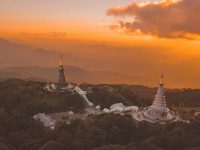
Chiang Mai
On everyone’s list of places to visit, Chiang Mai (เชียงใหม่) is an important cultural center, bustling city and home to hundreds of thousands looking to be closer to nature in a more relaxed environment.
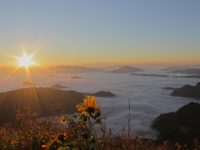
Chiang Rai
Chiang Rai (เชียงราย) is Thailand’s northernmost province and a hotspot for trekking, mountains, waterfalls and stunning viewpoints. It borders Myanmar and Laos, and all three countries come together at the once-infamous Golden Triangle along the Mekong River.
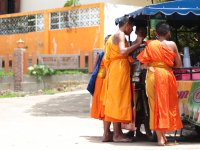
Kamphaeng Phet
Kamphaeng Phet (กำแพงเพชร) is either in the northern part of Central Thailand or the south of Northern Thailand, depending on how you look at it. The province’s proximity to the ancient capital of Sukhothai means Kamphaeng Phet is dotted with its own ancient structures and ruins.
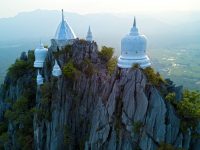
Lampang
Lampang (ลำปาง) is a Northern province studded with mountain ranges that hold some national parks. It also has a charming capital city (Lampang City) that people say is a smaller and less touristy Chiang Mai.
Lamphun
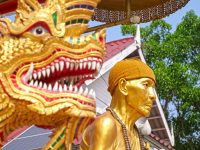
The Ping River flows into Lamphun (ลำพูน), an agricultural province dotted with mountain ranges outside the river valley. Historically Lamphun City was the seat of the Haripunchai Mon Kingdom and has since been controlled by the Khmer, Burmese, and Lanna Kingdoms before joining Siam.
Mae Hong Son
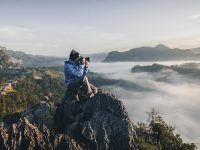
Mae Hong Son (แม่ฮ่องสอน) is a sparsely populated Northern Thai Province with some truly stunning nature, jungle, mountains, caves and hot springs. A majority of the population belongs to the various hill tribe groups in the area. The popular town of Pai is the biggest tourist draw and serves as the main jumping off point to tourism around the province.
Nakhon Sawan
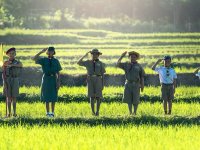
The Chao Phraya River forms in Nakhon Sawan (นครสวรรค์) where the Nan and Ping Rivers come together, and it’s historically been an important city for trade. Today, the province has a jungle-covered national park, and the largest freshwater wetland in Thailand.
Nan
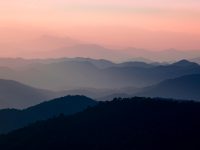
Nan (น่าน) is a remote province in Northern Thailand that’s covered in mountains and great for trekking, camping, and chasing waterfalls.
Phayao
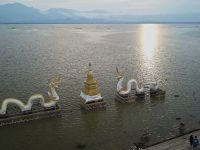
Phayao (พะเยา) is a Northern Province mostly covered in mountains. The provincial capital is a quiet town set along a picturesque freshwater lake. There are a number of national parks and protected areas with some trekking, waterfalls, and hill tribe villages.
Phetchabun
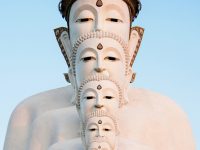
Phetchabun (เพชรบูรณ์) is a Province situated in between the Central, Northern and Northeastern regions of Thailand. It has a number of mountain ranges cut through with wide fertile valleys. The province has national parks, waterfalls, forests and lakes.
Phichit
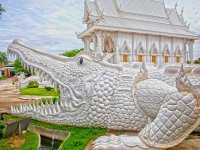
Phichit (พิจิตร) is a province in Central Thailand. It consists of mostly low-lying river areas making Phichit an important agricultural province, mainly for rice and fruit. Most of the tourist sites here are around temples and local culture.
Phitsanulok
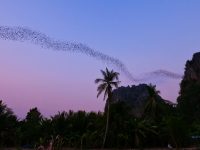
Phitsanulok (พิษณุโลก) sits in the Upper-Central Region of Thailand and even has a small finger of land that extends to the Lao border. Much of the province is fertile land dotted with canals and rice fields, while some areas have mountains, national parks, and scenic plateaus.
Phrae
Phrae (แพร่) is a Northern Thai province of agricultural areas, mountains, waterfalls, Lanna culture and temples.
Sukhothai
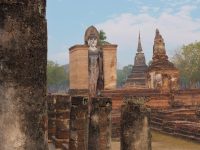
Sukhothai (สุโขทัย) is one of the most important places in Thai history. As the first capital of the Kingdom of Siam beginning 800 years ago, it has important ruins and archeological sites. The ancient capital is a Unesco Heritage Site and is well worth visiting, even for those who don’t ordinarily love temples and history.
Tak
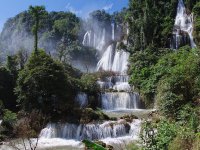
Tak (ตาก) is a paradise for outdoor adventurers, located in Northern Thailand. Tak has Thailand’s largest concrete arch dam and its reservoir, numerous hill tribe villages, trekking, whitewater rafting, and the country’s biggest waterfall.
Uthai Thani
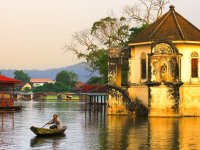
Uthai Thani (อุทัยธานี) is in the lower western area of Northern Thailand. It has a wildlife reserve that is part of a Unesco World Heritage Site and still has wild tigers and elephants. It’s off the tourist track but is a great province for outdoor adventure travel.
Uttaradit
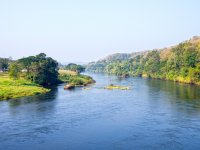
Uttaradit (อุตรดิตถ์) is a Northern Province that’s great for lovers of the outdoors. It has three national parks including the stunning and mountainous Phu Soi Dao. There are also a dam and reservoir, and lots of caves and waterfalls. The province shares a border with Laos where a Cold War battle was fought between the two countries in the late 1980s.