21 things to do in Chiang Mai
Every “things to do in Chiang Mai” list says the same thing. Visit a temple. Take a cooking class. See an elephant. Here’s what they leave out: which temples are worth your time and which are skippable, which elephant places are ethical and which are using hooks behind the scenes, and why you absolutely should not come in March.
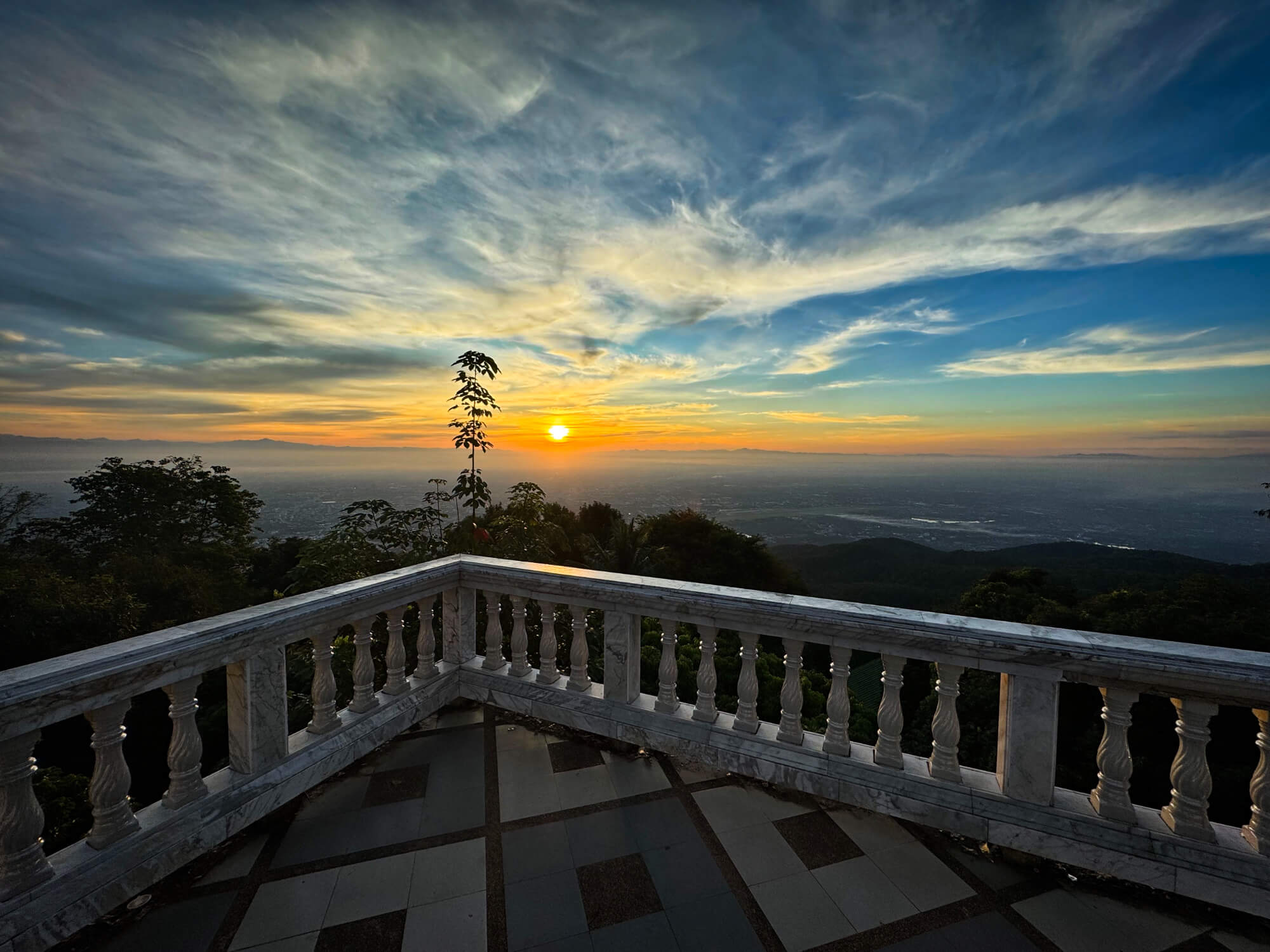
Chiang Mai is Thailand’s northern capital – a city ringed by a moat, surrounded by mountains, and packed with more temples than you could visit in a month. Most people give it three to five days, which is about right. You’ll split your time between the walled Old City (temples, markets, food), the Nimman neighbourhood (cafes, coworking, modern Chiang Mai), and day trips into the mountains. Here are the things to do in Chiang Mai that we think are worth your time – and a few that aren’t.
1. Doi Suthep – the one thing you can’t skip
The golden temple on the mountain. Wat Phra That Doi Suthep has been sitting high above Chiang Mai since 1383, and it’s the single non-negotiable thing to do here. The 306-step Naga staircase, the golden chedi covered in mirrors and bells, and the views over the city make it worth every baht of the 30 THB entrance fee.
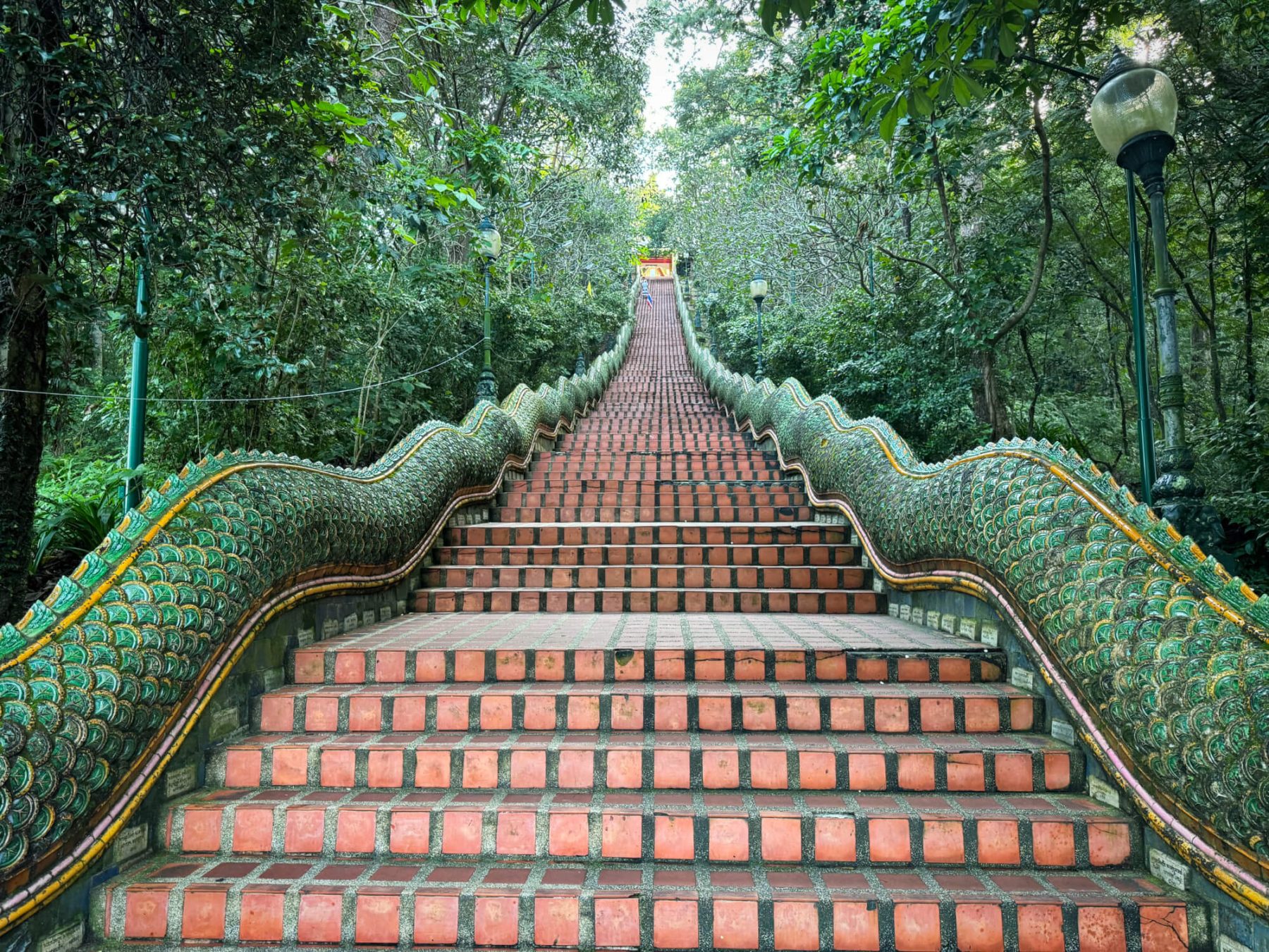
Get there by shared songthaew from in front of Chiang Mai Zoo (40 THB one-way, once about ten passengers turn up) or from Chang Phuak Gate (about 60 THB). A little funicular from the car park saves you the stairs for 20 THB extra. Open 6 AM to 8 PM daily.
One tip: avoid 10 AM to 2 PM when the tour buses arrive. Early morning or late afternoon gives you the place almost to yourself.
2. Wat Phra Singh – the best temple inside the Old City
The most visually impressive temple within the moat. The gilded stupa with elephant sculptures at its base and the Lanna-style murals inside Viharn Lai Kham, the small chapel behind the main hall, are some of the best in northern Thailand. Entrance: 40 THB for Viharn Lai Kham (the grounds are free). The halls are open 8 AM to 5 PM.
Get there early or after 4 PM – it’s the most visited temple in the Old City and gets packed by mid-morning. A 15-minute walk from Tha Phae Gate, or flag down any red songthaew heading west. If you’ve read our guide to Thai temple etiquette, you already know the dress code – cover your knees and shoulders.
3. Wat Chedi Luang and the Monk Chat
A 14th-century temple housing a jade replica of the Emerald Buddha (the original moved to Bangkok centuries ago). The central stupa is 270 feet tall – or it was, before a 1545 earthquake knocked the top off. What you see today is a partial restoration, and it’s still massive.
The real draw here is the Monk Chat programme. Every day from 9 AM to 6 PM, you can sit down with monks and ask them anything – about Buddhism, about their daily life, about whatever you like. It is one of the more memorable experiences you can have in any temple in Thailand. Entrance: 50 THB.
Right next door you’ll find Wat Phan Tao, a small temple with a main hall built entirely from teak wood. Free to enter, rarely crowded, and visually unlike anything else in the Old City. On Yi Peng nights it’s decorated with thousands of lanterns. Don’t walk past it.
4. Wat Pha Lat – the jungle temple most people miss
Hidden in the forest halfway up Doi Suthep mountain. Most people drive straight to the main temple and never know this place exists. A small, atmospheric complex with waterfall cascades, moss-covered stupas, and barely any tourists.
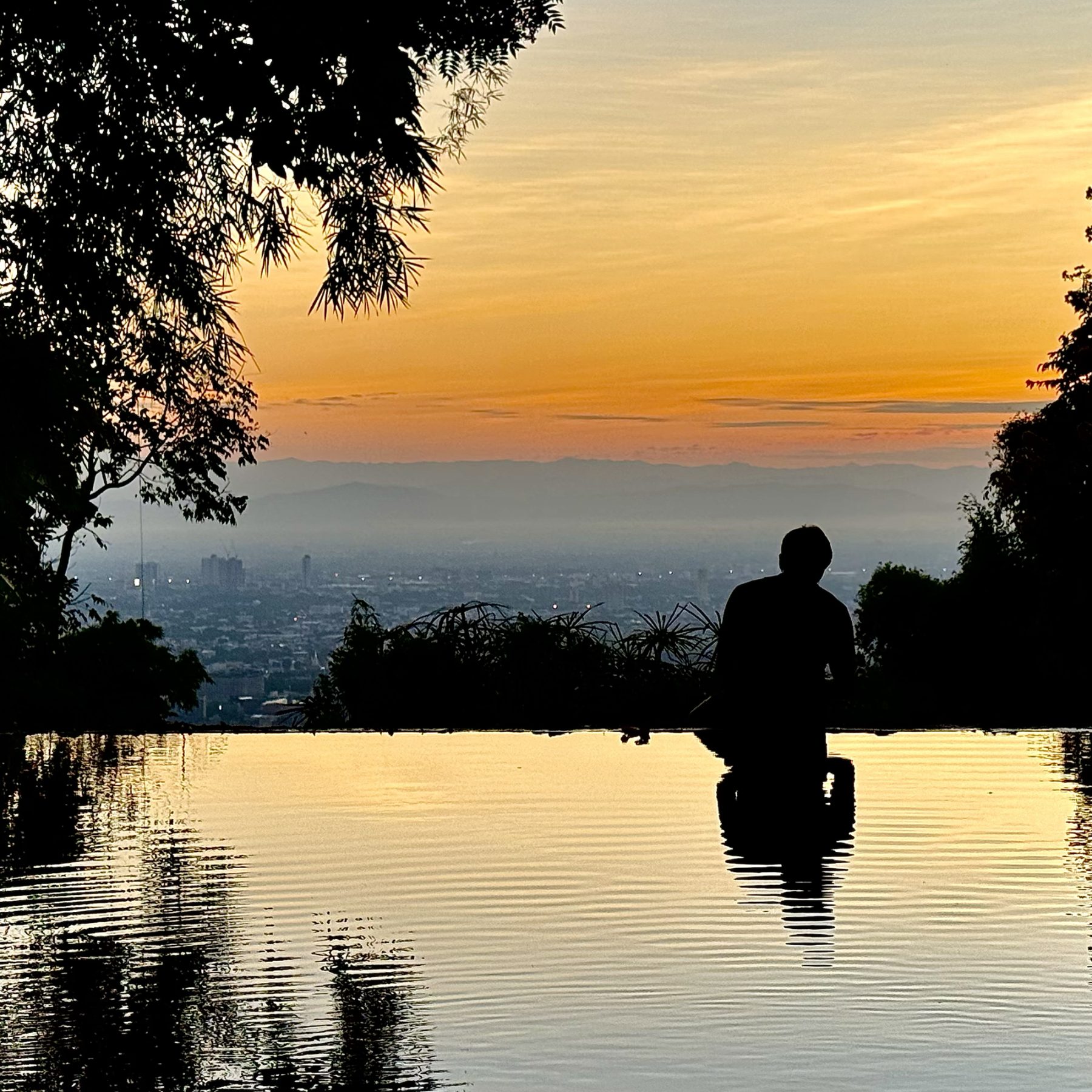
You can hike here via the Monk’s Trail from Chiang Mai University (about 40 minutes up; foreigners pay 100 THB at the trailhead) or stop briefly when driving to Doi Suthep. The temple itself is free to enter. The detour pays off if you find the main temples too polished or too crowded.
5. Wat Chiang Man – Chiang Mai’s oldest temple
The oldest temple in the city, founded in 1296 – the same year Chiang Mai was established. The elephant-buttressed stupa and two ancient Buddha images are worth seeing (though the hall with the Buddha images is often locked), and it’s free to enter. At the northern end of the Old City, away from the busier temple cluster. If you want a quiet temple without the crowd, this is the one.
6. Elephant Nature Park – the only elephant experience we recommend
We’ve written about why elephant riding is harmful, about the case for banning it entirely and about how to book an ethical sanctuary. If you’re going to visit elephants in Chiang Mai, the place to go is Elephant Nature Park.
Founded by Lek Chailert, it rescues injured and abused elephants from logging camps and tourist operations. You observe them roaming freely, feed them, and watch them bathe in the river. No riding, no hooks, no performing.
It’s about 60 km from the city (roughly 90 minutes by road). Prices: 2,500 THB for a half-day visit, 3,500 THB for a full day, 5,800 THB for an overnight stay. Book online weeks in advance during high season – it sells out. You can book on Elephant Nature Park’s own site.
A warning: many places in Chiang Mai now call themselves “sanctuaries” but still use hooks and offer riding. If a place lets you ride an elephant, or offers bathing combined with riding, or runs shows – it is not ethical, no matter what they call themselves.
7. A Thai cooking class
One of the most popular things to do in Chiang Mai, and for good reason. The best classes start at a local market where you pick your ingredients, then move to a farm or countryside kitchen where you cook five or six dishes. You leave with a recipe book and skills you’ll actually use at home.
Two schools we’d point you to: Zabb-E-Lee (1,200 THB, open-air garden kitchen in the countryside, morning or evening sessions) and Thai Farm Cooking School (1,500 THB, organic farm, full day, six dishes). Both include hotel pickup and the market visit. Book online in advance – popular classes fill up. Check options on Viator.
Avoid the cheap cooking “classes” near Tha Phae Gate that cram 30 people into a hotel restaurant kitchen. The farm-based schools are worth the extra cost.
8. Sunday Walking Street – the best market in Chiang Mai
Every Sunday from about 4 PM, Ratchadamnoen Road from Tha Phae Gate turns into a kilometre of stalls, spilling down the side streets. Handicrafts, indigo clothing, silver jewellery, street food, 100-baht foot massages. The quality of handmade goods here is miles ahead of the Night Bazaar.
It gets extremely busy. Arrive early (5 to 6 PM) or late (after 8 PM) to dodge the worst of the crush. At 6 PM the national anthem plays and the entire market freezes for about a minute. Don’t miss it.
Budget 300 to 1,000 THB for food and shopping. Free to walk around.
9. Saturday Night Market – Wua Lai Walking Street
The Saturday equivalent of the Sunday market, but smaller, calmer, and arguably better. Runs down Wua Lai Road south of the Old City from around 5 PM. This is where Chiang Mai’s silverwork tradition comes alive – you can watch craftsmen working in shophouses along the street.
Wat Sri Suphan (the Silver Temple) is right here. The entire structure is covered in silver and aluminium panels – striking at any time, but particularly at night when it’s lit up. Foreigners pay 50 THB, and only men are allowed inside the silver ordination hall.
Less tourist-heavy than the Sunday market, and the Chiang Mai Gate area nearby has some of the best late-night street food in the city.
10. Night Bazaar – fine, but not for bargains
The Night Bazaar on Chang Klan Road is open every night, which is convenient. But prices are noticeably higher than the walking streets for the same items. Souvenirs, clothes, bags – all available cheaper on Sunday or Saturday.
If you happen to be in the area, walk through. If you’ve missed the walking street markets, it’s a decent fallback. But we wouldn’t plan a market evening around it. The attached Anusarn Night Market has slightly better food, and the Ping River area nearby is better for drinks and live music.
11. Warorot Market – where Chiang Mai locals actually shop
A covered indoor market near the river where actual residents do their shopping. Not a tourist market. Find dried fruits, Northern Thai snacks, local spices, hill tribe textiles, ceramics, flowers – at prices with zero tourist markup. A great place to buy edible souvenirs.
Open every day from early morning. The nearby MuangMai fresh market is worth a walk-through too if you’re into produce and local food culture.
12. Nimman neighbourhood – cafes and the digital nomad scene
Nimmanhaemin Road and the sois around it is the hip, modern face of Chiang Mai. Indie cafes, boutique restaurants, art galleries, coworking spaces. A completely different vibe to the Old City.
Top cafes: Ristr8to for award-winning espresso, Graph for creative ambiance, CAMP at Maya Mall (buy a drink and you get two hours of WiFi – popular with remote workers). Coffee runs 80 to 180 THB, meals from 100 THB.
Chiang Mai is arguably the top digital nomad base in Southeast Asia. If you’re thinking about staying longer, check out the DTV digital nomad visa and our cost of living guide.
Get here by songthaew from the Old City or Grab.
13. Sticky Waterfall – walk straight up a waterfall
One of the most unusual natural experiences near Chiang Mai. The calcium-rich spring water coats the limestone rocks, making them grippy enough to walk straight up barefoot. Three tiers of waterfall you can climb without slipping.
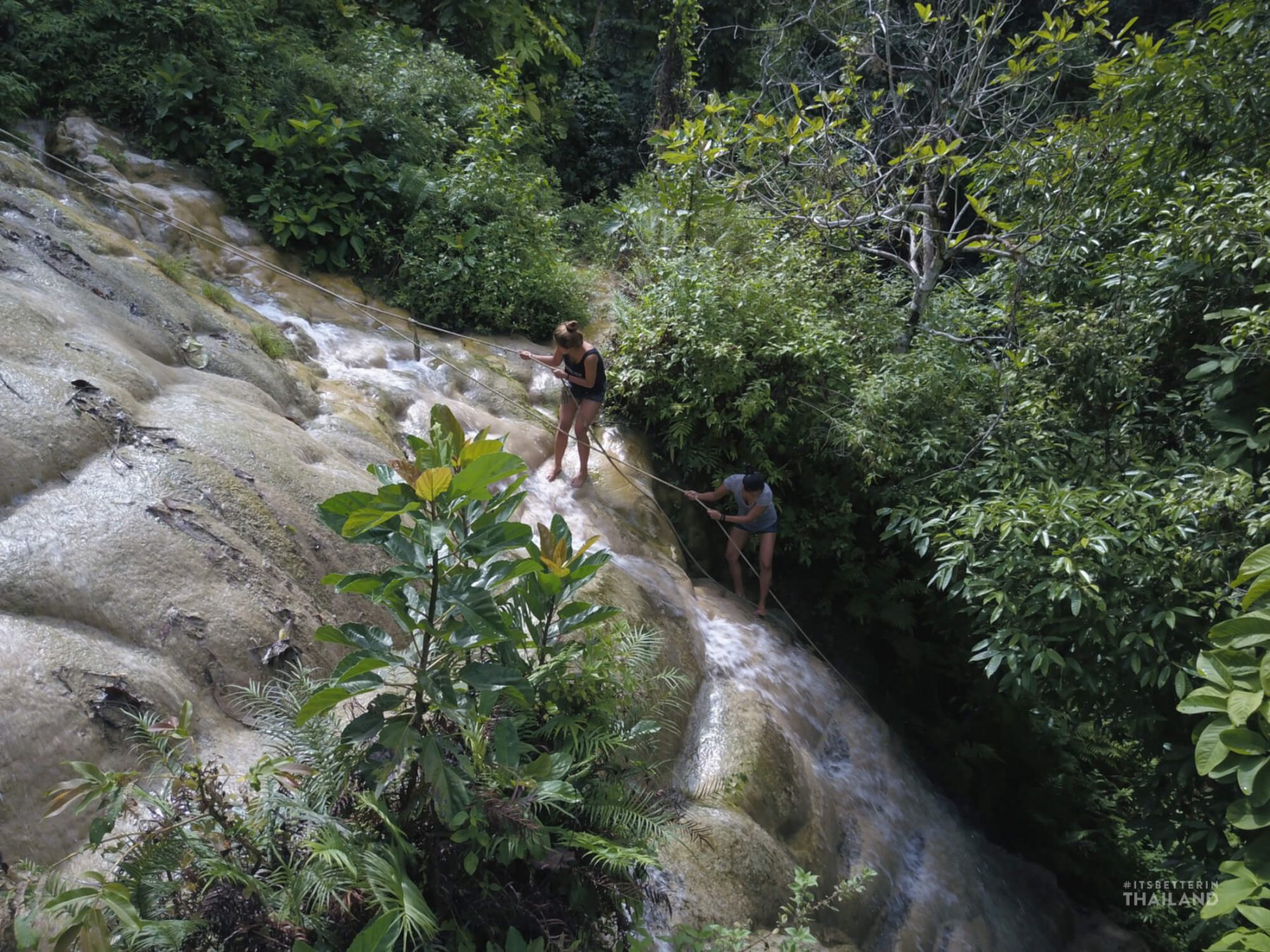
Free to enter. About 60 km north of the city (roughly 1.5 hours). Best by motorbike if you’re comfortable riding (200 to 300 THB per day rental), otherwise arrange a taxi (1,000 to 1,500 THB return). Open 8 AM to 5 PM daily. We’ve written a full guide to Sticky Waterfall near Chiang Mai.
14. Train Muay Thai
Chiang Mai has some of Thailand’s best Muay Thai gyms, and most accept total beginners for single sessions. This isn’t watching a fight from a stadium seat – you’re wrapping your hands, hitting pads, and learning technique.
Santai Muay Thai, out in San Kamphaeng about 13 km east of the city, charges 700 THB for a day’s training. Lanna Muay Thai, just north-west of the Old City, runs beginner classes too. A single morning or afternoon session is a more interesting and more memorable experience than watching a show. For serious training, a week at Santai is 3,500 THB.
15. Doi Inthanon National Park – Thailand’s highest peak
Thailand’s highest point at 2,565 metres. The Twin Royal Pagodas (built for the King and Queen’s 60th birthdays) are worth the trip alone, and the misty Kew Mae Pan nature trail is one of the best short hikes in the country (it’s open November to May, and you’ll need a local guide). Multiple waterfalls along the route too.
Park entrance fee: 300 THB for foreigners, cash only, plus about 100 THB for the pagodas. About 90 minutes by car to the park gate and another hour to the summit. Most people do this as a guided day tour via Viator. Or rent a motorbike if you’re confident – the road is paved but long.
Take a jacket. The summit can be 10 to 15 degrees cooler than the city, and in December through February, temperatures can dip below 10 degrees at night.
16. Chiang Dao caves and mountain
About 1.5 hours north of Chiang Mai, Chiang Dao is a refreshingly non-touristy escape. The cave complex (Tham Chiang Dao) runs for around 10 km through the limestone, though only part of it is open to visitors. Entry is 40 THB for foreigners, and a guide with a lantern for the unlit inner chambers costs about 200 THB per group.
The mountain itself (Doi Luang Chiang Dao, 2,175 metres) is an overnight trek for serious hikers, only open from November to January, with a permit, a guide and a daily cap on numbers. For most visitors, the caves plus a meal in the town makes a pleasant half-day trip. Much quieter than Doi Inthanon. Combine it with a stop at one of the organic coffee farms in the valley.
Get there by bus or minivan from Chang Phuak Bus Station (about 40 THB on the fan bus, 150 THB by air-conditioned minivan).
17. Chiang Rai – stay the night if you can
Chiang Rai is 3 to 3.5 hours from Chiang Mai by road. The White Temple (Wat Rong Khun) is a contemporary masterpiece in white and mirror mosaic – it’s extraordinary. The Blue Temple (Wat Rong Suea Ten) is equally striking. The Black House (Baan Daam) is fascinatingly macabre.
The catch: on a group day trip, you’ll share these temples with every other tour bus and get about 30 minutes at each site. You spend most of the day in a van.
If you can stay overnight in Chiang Rai, you can be at the White Temple when it opens at 8 AM, before the crowds. Entry is 200 THB for foreigners. Day trip tours run about 1,300 to 1,900 THB including transport and guide – check Viator for options. Worth doing either way, but overnight is the move if you’ve got the time.
18. Thai massage in Chiang Mai
Chiang Mai is famous for its quality of Thai massage, and the prices are hard to beat. The Sunday Walking Street has cheap foot massages from around 100 THB.
Avoid places with neon signs and photos of blondes being massaged – those are the tourist-price joints. Expect 250 to 400 THB per hour at a good local shop.
19. Meditation at Wat Suan Dok
Wat Suan Dok runs meditation for visitors several days a week – a half-day introduction on Mondays and one-day retreats on Wednesdays and Fridays. You sit with monks and learn basic breath meditation. Complete beginners are welcome.
Two-day retreats run regularly midweek, and there’s a four-day course for those who want to go deeper. One of the most accessible introductions to Buddhist practice in Thailand. The temple is easy to reach by songthaew or bicycle from the Old City.
20. Cycling around the Old City
Chiang Mai is one of the most cyclable cities in northern Thailand. The square moat around the Old City makes a perfect 6 km loop. Bike hire runs 50 to 200 THB per day from shops near Tha Phae Gate.
For a longer ride, the countryside south and east of the city along the Ping River is flat and pleasant. Several operators run half-day guided cycling tours into the countryside.
21. Chiang Mai Arts and Cultural Centre
The Three Kings Monument – a bronze statue of the three kings who founded the city in 1296 – is the historical heart of Chiang Mai. The adjacent Arts and Cultural Centre (90 THB entrance, usually closed on Mondays) has well-produced exhibits on Lanna Kingdom history. Give it an hour if you want context behind all the temples you’re visiting. It’s in the same group as the Chiang Mai Historical Centre and the Lanna Folklife Museum.
Things we’d skip (or approach with caution)
Long-Neck Karen Village tours. Most of these are commercial setups – women in traditional costume in a market-stall situation, not actual village life. It can feel more like a zoo than a village. We’d skip it unless you can verify the operator has a genuine community partnership.
The Night Bazaar for bargains. Fine for a walk. Terrible for value. The Sunday Walking Street beats it in every way.
Any “elephant sanctuary” that offers riding. If they let you ride, they use hooks. See item 6 above.
When to visit (and when not to)
Best months: November through February. Cool, dry, clear skies. December and January nights can actually be chilly by Thai standards – bring a light layer.
Avoid: March and early April. This is the burning season. Farmers across northern Thailand burn crop fields, and the smoke settles in Chiang Mai’s valley. On bad days the air quality index tops 200 across the city, more than ten times the WHO’s safe level for fine dust. Outdoor activities become miserable.
If you have any flexibility in your dates, don’t come in March. Check our guide to the best time to visit Thailand for region-by-region timing.
Songkran (April 13 to 15) falls at the tail end of burning season but Chiang Mai is one of the biggest celebration cities in Thailand. If the smoke has cleared, it’s chaos in the best way.
Getting around Chiang Mai
Grab works well here for most journeys. Songthaews (the red pickup trucks) work like shared taxis: flag one down, say where you’re going, and it’s a flat 30 THB per person around town. For day trips to Doi Suthep, Sticky Waterfall, or Doi Inthanon, rent a motorbike (200 to 300 THB per day from shops near Tha Phae Gate) or hire a private songthaew.
The Old City itself is walkable. Most temples, restaurants, and guesthouses within the moat are within a 20-minute walk of each other.
Where to stay
Three areas to consider:
- Old City – best for first-timers, walking distance to temples, markets, and restaurants. Most budget and mid-range options are here.
- Nimman – best for digital nomads, cafe lovers, and anyone who wants modern Chiang Mai. More upscale.
- Riverside / Night Bazaar area – central, convenient, but the Night Bazaar area can be noisy.
Find rooms on Booking.com or compare prices on Agoda.
Before you come, you might want to read our beginner tips for Thailand and make sure you’ve got travel insurance sorted. We recommend SafetyWing for short-term trips.
Frequently asked questions
How many days do you need in Chiang Mai?
Three to five days is the sweet spot. Two days covers the Old City temples, a market, and Doi Suthep. Three days adds a cooking class or elephant sanctuary visit. Five days lets you fit in a day trip to Doi Inthanon or Chiang Dao without rushing anything.
What is the best elephant sanctuary in Chiang Mai?
Elephant Nature Park. Founded by Lek Chailert, it’s the gold standard for ethical elephant encounters. No riding, no hooks, elephants roaming free. Half-day visits from 2,500 THB. Book in advance – it sells out.
Is the Night Bazaar worth visiting?
It’s open every night, which is convenient. But prices are noticeably higher than the Sunday or Saturday walking streets for the same items. If you’re here on a Sunday, the Walking Street is a much better experience.
What is the best cooking class in Chiang Mai?
Zabb-E-Lee (1,200 THB) and Thai Farm Cooking School (1,500 THB) are both excellent. Both start at a local market and include five to six dishes. The countryside settings make them feel like a day out, not a tourist activity.
When should you NOT visit Chiang Mai?
March and early April. The burning season sends air quality through the roof – the air quality index can top 200 across the city on bad days. Outdoor activities become miserable. Come between November and February instead.
What is the burning season in Chiang Mai?
From roughly February to April, farmers in northern Thailand burn crop fields and forest. The smoke settles in the valley and blankets the city. March is typically the worst month. On the worst days, fine dust in the air reaches more than ten times the WHO’s safe level.
Can you do Chiang Rai as a day trip from Chiang Mai?
You can. Organised day trips run for about 1,300 to 1,900 THB. But Chiang Rai is 3 to 3.5 hours each way, so you’ll spend most of the day in a van and get 30 minutes at each temple. An overnight trip is much better if you’ve got the time.
Is Chiang Mai good for digital nomads?
It’s arguably the best base in Southeast Asia. Fast WiFi, cheap coworking spaces, a massive expat community, and a cost of living that makes Bangkok look expensive. The Nimman area is the hub. Check the DTV visa if you’re thinking about staying.
What is the best temple in Chiang Mai?
Doi Suthep. If you only do one thing, make it this. Inside the Old City, Wat Phra Singh is the most visually impressive, and Wat Chedi Luang has the excellent Monk Chat programme.
How do you get around Chiang Mai?
Grab works well for most journeys. Songthaews (red pickup trucks) cost a flat 30 THB per person around town. For day trips, rent a motorbike (200 to 300 THB per day) or hire a private songthaew.
Give Chiang Mai more than a weekend, skip the Night Bazaar, and whatever you do, don’t come in March.