Doi Suthep: Full guide to Chiang Mai’s best day trip
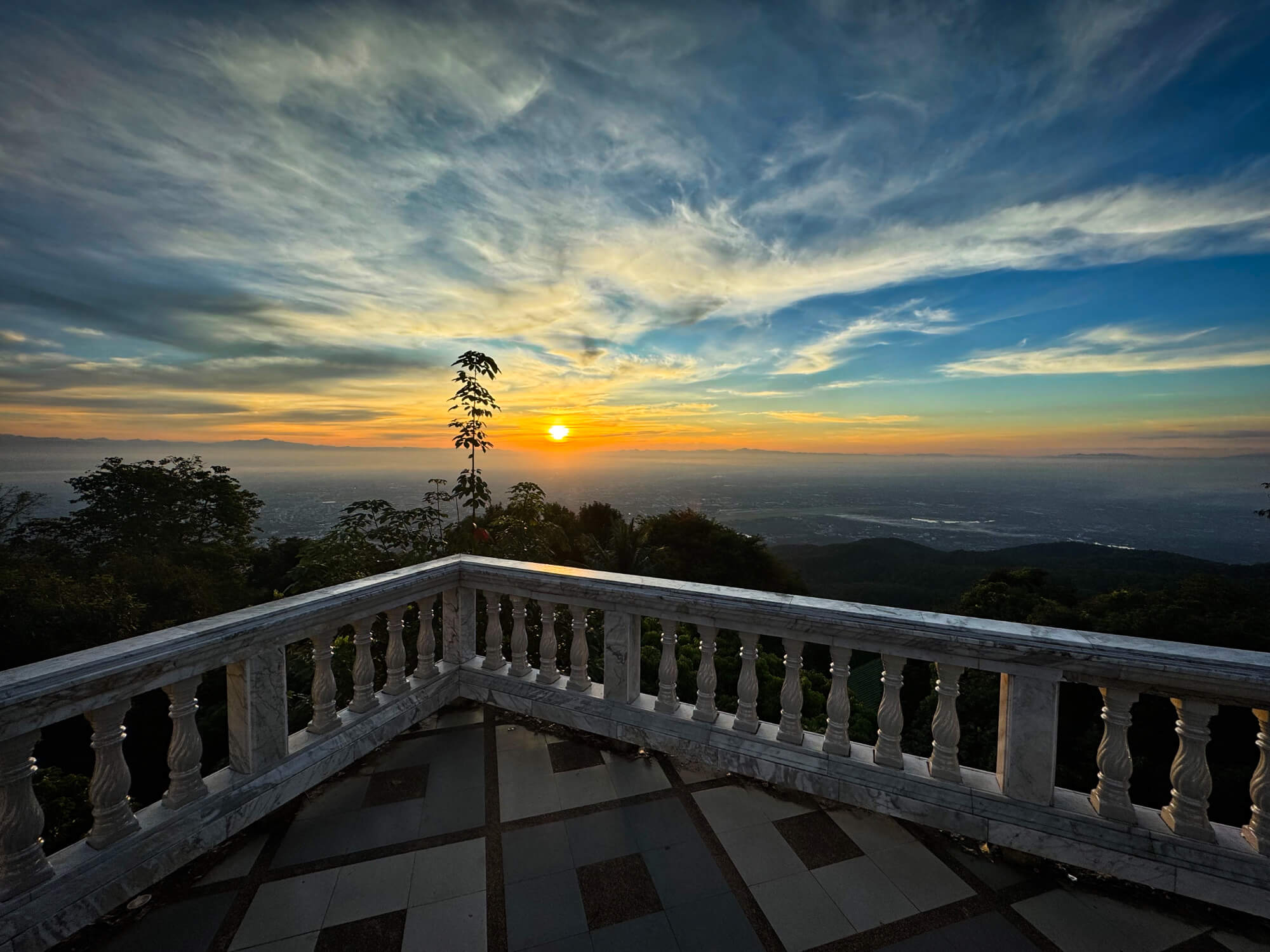
A microcosm of most of the best parts of Northern Thailand, all accessible in a single day from Chiang Mai
Northern Thailand is an incredible place unlike anywhere else in the country. It’s a region you could spend months exploring and still only scratch the surface.
But with Thailand’s stunning islands calling, lots of travelers miss out on much or even all of the North. That doesn’t have to be the case though.
Doi Suthep is like a small microcosm of all the best parts of Northern Thailand: hill tribe villages, misty mountains, cool weather, twisty roads, pine forests, and locally-grown coffee and tea. The best part about it is you can see all of it in a single day from Chiang Mai.
About this guide
This guide will cover all the highlights of Doi Suthep and show you how to create the perfect day trip. We’ll also cover how you can stay overnight either in accommodation or by camping in the Doi Suthep Pui National Park.
About Doi Suthep
Doi Suthep is a granite mountain just to the west of and easily visible from Chiang Mai City. ‘Doi Suthep’ is usually used to mean the larger area of both Doi Suthep, and a nearby peak of the same mountain called Doi Pui. Much of the area is contained within the Doi Suthep-Pui National Park. Doi Suthep is popular with both Thai and foreign tourists due to its beauty, nature, cool weather, palaces, hill tribe villages, and the famous Wat Phra That Doi Suthep temple.
Doi Suthep is 1,676 metres (5,499 ft) high, while Doi Pui stands at 1,685 metres (5,528 ft) above sea level. Higher than 1,000 meters, the climate becomes noticeably cooler, and the tropical deciduous forest gives way to mainly evergreen trees.
How to get there
The road leading up to Doi Suthep begins on the outskirts of Chiang Mai, just a short drive from the city center.
By far the best way to experience the mountain is on a scooter or motorcycle, either of which can be easily rented anywhere in Chiang Mai. This is not a place for beginners to learn though, and many foreign tourists end up crashing bikes on this road.
If you’re not at least an intermediate rider on two wheels, you can rent a car. Most of Doi Suthep is easily accessed by rental car, but in some of the further reaches and villages of Doi Pui, the roads are quite narrow and not in great shape. A rental car will limit the final few stops we recommend unless you get a pickup truck or 4X4.
You can also hire the red songthaews (pickup trucks with two rows of benches in the back) which are everywhere in Chiang Mai to take you up for a half or full day. We’d recommend instead booking one of the tours we list below if you’re already going to be paying for a driver because the cost is not much more, and you get much more value from it.
Our favorite Doi Suthep activities
You can see and do most of Doi Suthep in a single day, although with more time you could explore more waterfalls and hiking trails.
If you’re mainly interested in hiking and want to see Doi Suthep Temple, The Monk’s Trail is a moderately challenging hike with over 600 meters of elevation gain from the bottom to the top of the mountain. It’s one of our favorite Chiang Mai activities for early morning. Check out our guide to hiking the Monk’s Trail.
Wat Doi Suthep
The first stop you’ll come to after the twisting turning road up is the main temple that towers over Chiang Mai - Wat Phra That Doi Suthep (วัดพระธาตุดอยสุเทพ). Even if you’re not a huge fan, or you’re all templed out, it’s still worth a stop here. It’s a gorgeous temple with a very nice viewpoint looking back down the mountain and over the city.
Admission here is 30 Baht for foreigners.
Hmong Doi Pui Village
Doi Pui village (บ้านม้งดอยปุย) is a Hmong village about 3 km past Bhubing Palace. Shared red songthaews run up to it from the Doi Suthep temple car park once they have enough passengers. If you’re driving, parking is on a steep side road below the village, because the lane up through it is single-track.
Go in expecting a market more than a village. The main street is lined with stalls selling embroidered bags, clothes, local coffee and snacks, and you can rent Hmong costumes for photos. Keep walking uphill and it gets better. At the top there’s a flower garden with a little waterfall, which charges a token entry fee, and a small museum about Hmong life, including the years when these hills grew opium.
An hour is plenty. It’s worth a stop for the garden and the cool air, but if you want a quieter Hmong village that grows its own coffee, carry on to Khun Chang Khian.
Gardens
The big garden on the mountain belongs to Bhubing Palace (พระตำหนักภูพิงคราชนิเวศน์), the royal family’s winter residence, a few kilometers past the temple. The buildings are off-limits, but you can walk the grounds, and the rose garden is the highlight. It’s cool enough up here to grow flowers you rarely see anywhere else in Thailand.
Entry is 50 Baht for foreigners. It opens at 8:30am and the ticket office stops selling at 3:30pm. The palace closes whenever the royal family is staying, which is usually January to March, so the best weather of the year is often when you can’t get in. The dress code is stricter than the temple’s: no shorts, no short skirts and nothing sleeveless. Turn up in the wrong thing and you’ll be hiring clothes at the entrance. Food and drink stay outside, and you can hire a cart if you’d rather not walk.
Give it an hour if you like gardens. If you don’t, skip it and spend the time further up the mountain. There are smaller flower gardens at the top of Doi Pui village and around the research station at Khun Chang Khian.
Waterfalls
Doi Suthep’s waterfalls are pretty rather than spectacular, and how good they look depends on the season. They’re fullest from late in the rainy season into November, and a lot less impressive by April.
Huay Kaew (น้ำตกห้วยแก้ว) - Right at the bottom of the mountain, a short walk from Huay Kaew Road, so it’s easy to add on the way up or down. It’s a series of small cascades rather than one big drop, and a path follows the stream up to Wang Bua Ban, a quieter pool further on. Foreigners pay the 100 Baht national park fee.
Monthathan (น้ำตกมณฑาธาร) - A signposted turn-off on the right, a little way up the mountain road from the Kruba Srivichai monument, then about 3 km of side road. It has nine tiers, but only the lower ones are easy to reach. It’s open from 8am to 4:30pm, there’s a campsite and park rooms, and the same 100 Baht park fee applies.
Wat Pha Lat - For some of the prettiest water on the mountain, stop at Wat Pha Lat, halfway up, where a stream runs over the rocks right through the temple grounds. There’s no fee if you drive in from the main road, or you can walk up to it on the Monk’s Trail.
If waterfalls are the main event, Mae Sa Waterfall is in the same national park but on the Mae Rim side, off the Samoeng road, with ten tiers and its own entry fee. The Sticky Waterfall, an hour north of the city, is the one you can actually climb.
Hiking
The classic is the Monk’s Trail, the old pilgrims’ path from the edge of the city up to Wat Pha Lat and on to Wat Phra That Doi Suthep. The first part, to Wat Pha Lat, is easy and makes a good short walk on its own. The second part is steep. Our Monk’s Trail guide has the route, timings and the trailhead fee.
For the highest point on the mountain, walk up Doi Pui (1,685 meters) from the Doi Pui campground. It’s 30-40 minutes up a forest path with about 160 meters of climbing. The summit is a sign among the trees with nothing to see, but a clearing a few minutes further on looks out over Chiang Mai on a clear day. The trail is closed in the rainy season.
At the bottom of the mountain, the path from Huay Kaew waterfall up the stream to Wang Bua Ban is short and easy. Longer routes, like the 13 km loop from Doi Pui village, need a ranger or guide, and the paths down towards Huay Tung Tao lake are poorly signed.
Camping
Camping at Doi Pui is the best reason to stay overnight. On a clear cool-season morning the valley below fills with mist and you can watch the sun come up over it with a coffee from the campground stall. Season, costs and what to expect are under Camping at Doi Suthep below.
Wild Cherry Blossoms
For a few weeks a year, parts of Doi Suthep go pink. The wild Himalayan cherry, nang phaya suea khrong (นางพญาเสือโคร่ง) or “tiger queen”, flowers from late December into January, and Thais call it Thai sakura. Peak bloom is usually around mid-January, but it shifts a little with the weather each year. Outside that window there’s nothing to see.
The place to see them is the research station at Khun Chang Khian, where Chiang Mai University planted groves of them. Go on a weekday and get there early. January weekends bring what feels like half of Chiang Mai up a single-lane mountain road, and the traffic backs up in both directions.
Khun Chang Khian Village
Khun Chang Khian (บ้านขุนช่างเคี่ยน) is a White Hmong village at about 1,350 meters, founded in 1955 and built around a highland agricultural research station run by Chiang Mai University. The area grows Arabica coffee, fruit and the cherry trees that make it famous every January, and you can buy a cup of the local coffee at the stalls in the village.
To get there, carry on about 8 km past Bhubing Palace. Where the road splits for Doi Pui village, keep right for the Doi Pui campground and continue through it. This is the stretch the car warning above is about. The road is narrow and steep, single-lane in places so oncoming traffic has to pull over, and often foggy on cold mornings. If you’re not confident, hire a red songthaew for the day from Chiang Mai or from the temple car park.
Outside cherry blossom season it’s one of the quietest stops on the mountain, and it feels much more like a working village than Doi Pui. It’s worth the drive if you want to see more of Hmong life than a souvenir stall.
The best Doi Suthep tours
Doi Suthep is easy to do on your own, but if you don’t ride and don’t want to negotiate with songthaew drivers, a tour takes care of it. The two below stick to the temples rather than the palace and villages further up.
Explore Doi Suthep & Wat Pha Lat - A private morning by car with hotel pickup at 8am: Wat Pha Lat, Wat Phra That Doi Suthep and some time in the national park, back in the city by 1:30pm. Transport and entry tickets are included, food isn’t.
Doi Suthep at sunrise, plus a Thai food morning - Pickup at 5:30am for sunrise on Doi Suthep and the temple, then a Thai breakfast, Wat Chiang Man and a local market back in the city. Worth it if you want the temple before the crowds but won’t get yourself up there at that hour on your own.
Downhill mountain biking - Several Chiang Mai companies drive you up into the national park and let you ride forest singletrack down to Huay Tung Tao lake. Some add a hike up first. The advanced trips are technical, so be honest about your riding.
Camping at Doi Suthep
The main campground is at Doi Pui (ลานกางเต็นท์ดอยปุย), past Bhubing Palace on the road to Khun Chang Khian. It opens on 1 October and closes every year for the rainy season, from 1 May to 30 September. People come for the mornings: on a clear day in the cool season, mist fills the valley over Chiang Mai and Mae Rim and the sun comes up over it.
The nights get properly cold. Lows of 10-12°C are normal from December to February, and a cold snap can take it down to 4 or 5°C. That’s arctic by Thai standards, so pack like you’re going somewhere cold, because you are.
Foreigners pay the 100 Baht national park fee for Doi Pui, then 30 Baht per person per night to pitch their own tent. The park rents two-person tents for 225 Baht a night, plus sleeping bags and mats, so you can turn up with nothing but warm clothes. There are food stalls, a small shop and a coffee corner, and the toilets and showers are basic. The campground takes up to 100 tents and is busiest on weekends and holidays in December and January, so go midweek or book ahead on the national parks booking site.
There’s a second campsite by Monthathan waterfall, lower down the mountain. It’s warmer, and you can rent a tent there too.
Other accommodation options
For most people, Doi Suthep works best as a day trip from Chiang Mai. Nimman and the streets around Chiang Mai University are the closest part of the city to the mountain road, and you keep the city’s food and cafes on your doorstep. Our Chiang Mai guide has more on where to stay.
If you want to wake up on the mountain without a tent, the national park has its own bungalows near the park headquarters just past the temple, at the Doi Pui campground and at Monthathan waterfall. Prices run from about 400 to 3,000 Baht a night depending on the room, with a discount from Monday to Thursday. They’re booked on the same national parks site as the campground, which wants payment within a couple of days, so it’s easier to book once you’re in Thailand.
The best time to visit Doi Suthep
November to February is the sweet spot. The air is clear enough to actually see Chiang Mai from the viewpoints, and it’s cool enough at the top that you’ll want a jacket. December and January are the coldest and busiest months. The cherry blossoms come out in January, which is also when Bhubing Palace usually closes for the royal family’s stay.
From late February to April, burning season smoke settles over the north and the famous view becomes a view of haze. The mountain is still cooler than the city, but you won’t see much. Our guide to the best time to visit Thailand explains the smoke season.
The rainy season, roughly June to October, is when the waterfalls are at their best and the forest is at its greenest. It’s also when the road gets slippery on a scooter and the trails turn to mud, and the Doi Pui campground is shut from May to September.
Whatever the month, go early. It’s cooler first thing and gets busier through the day, especially at weekends. On the eve of Visakha Bucha (usually in May), tens of thousands of people set off in the evening to walk the 11 km road from the Kruba Srivichai monument up to the temple. It’s worth joining if you’re in town, and it’s not the night to drive up.
What to bring
- A warm layer - It’s noticeably cooler above 1,000 meters, and in December and January Doi Pui can be properly cold first thing in the morning.
- Clothes that cover your shoulders and knees - For the temple, and especially for Bhubing Palace, which won’t let you in wearing shorts or anything sleeveless. You can hire cover-ups at both, but it’s easier to bring your own.
- Cash in small notes - For temple and palace tickets, park fees, songthaews and the village stalls.
- Shoes with some grip - Waterfall rocks and the Monk’s Trail get slippery, especially in the rainy season.
- A rain jacket - From June to October.
- A head torch - If you’re camping or heading up for sunrise.
- Your motorbike license - If you’re riding up. Check your travel insurance covers you on a bike as well; plenty don’t, and our travel insurance guide has the fine print.
Photo gallery
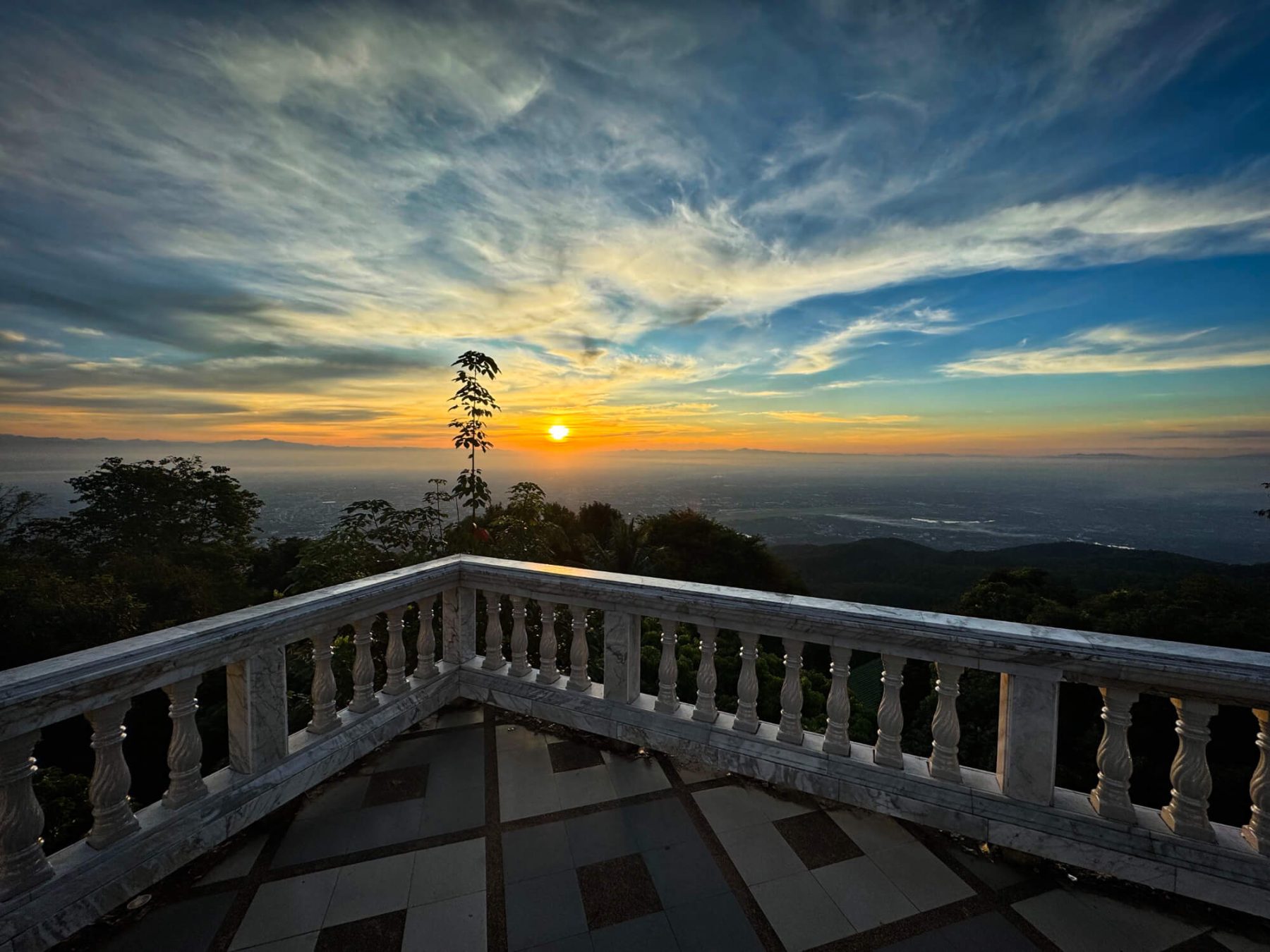
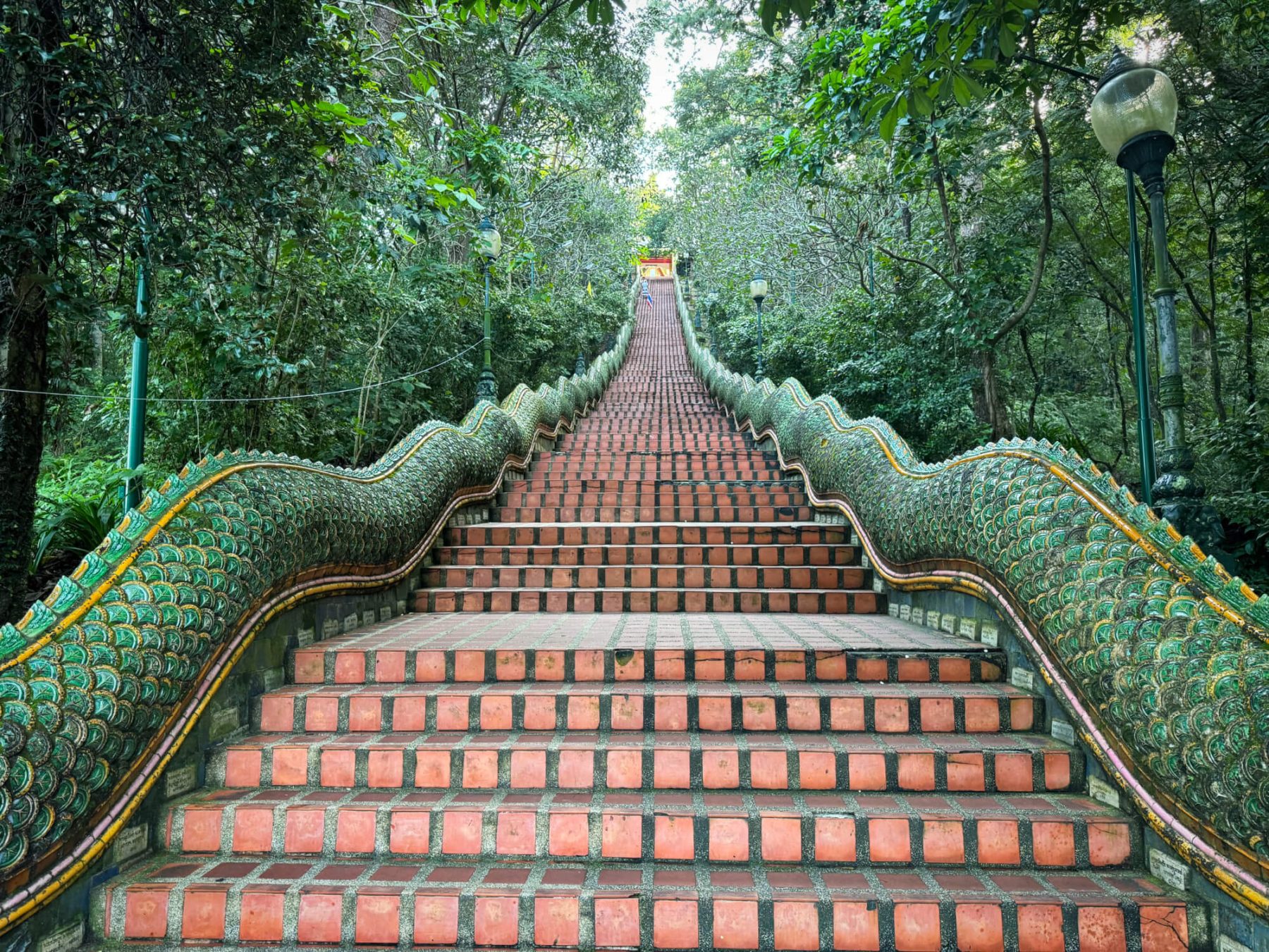
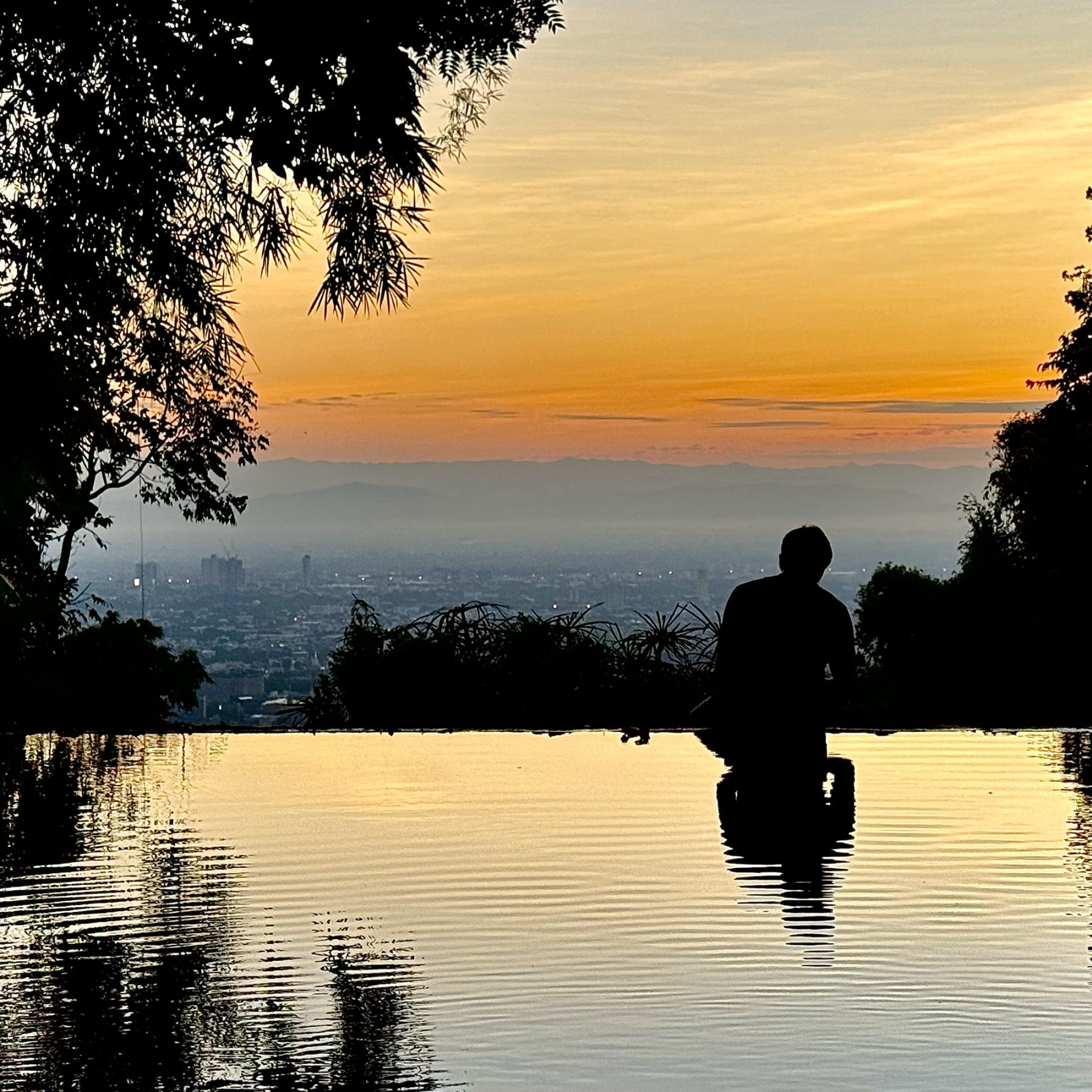
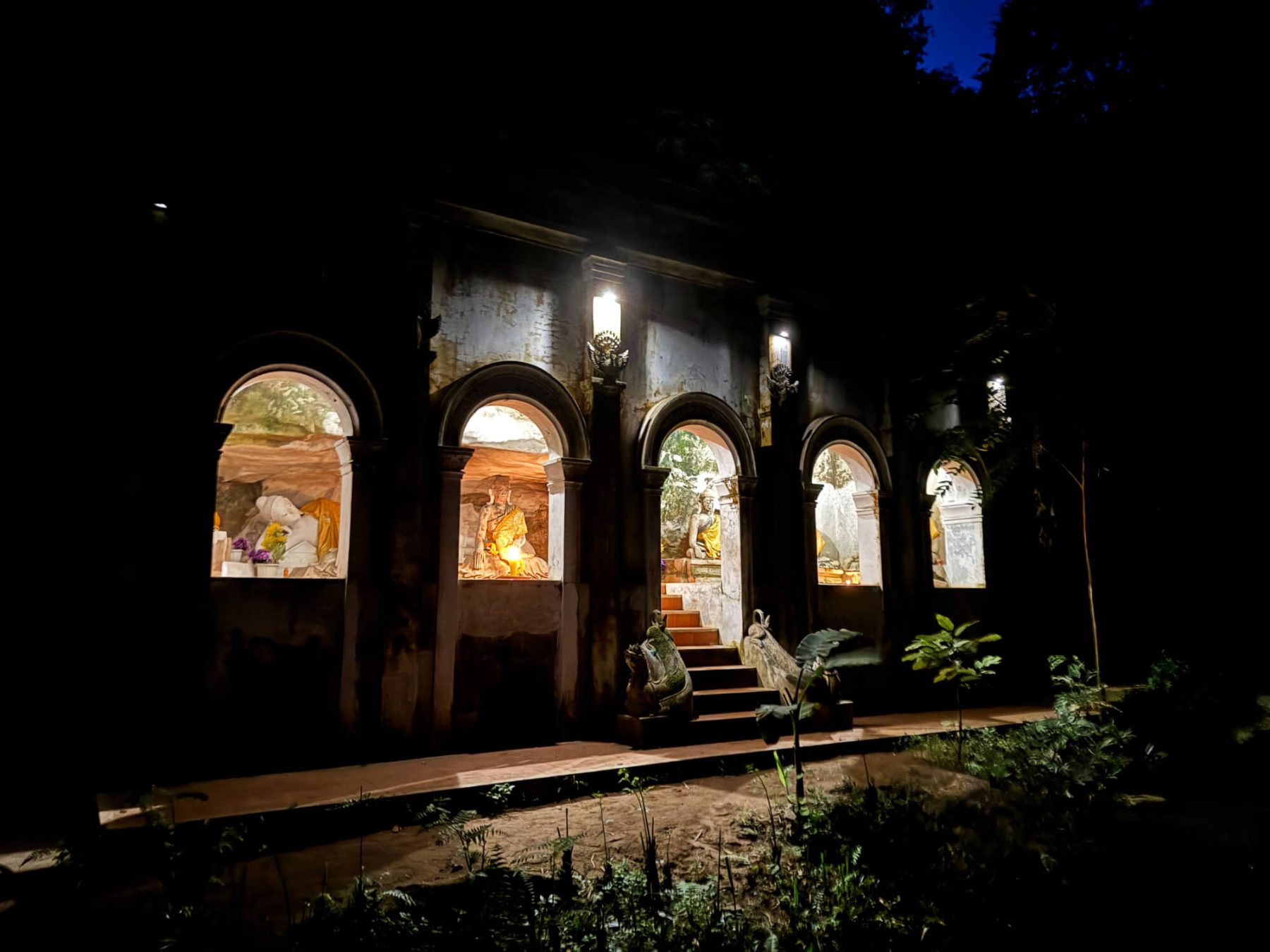
Northern Thailand is one of the country’s best-known and most intriguing regions, but with so many islands tempting travelers with their white sand and clear water, a lot of people spend only spend a few days here, or skip it entirely. Luckily, Doi Suthep is one place where you can see an almost perfect microcosm of what Northern Thailand is all about - all in one day. Best of all, it’s just a short drive outside of Chiang Mai.