Thailand work permit guide for foreigners
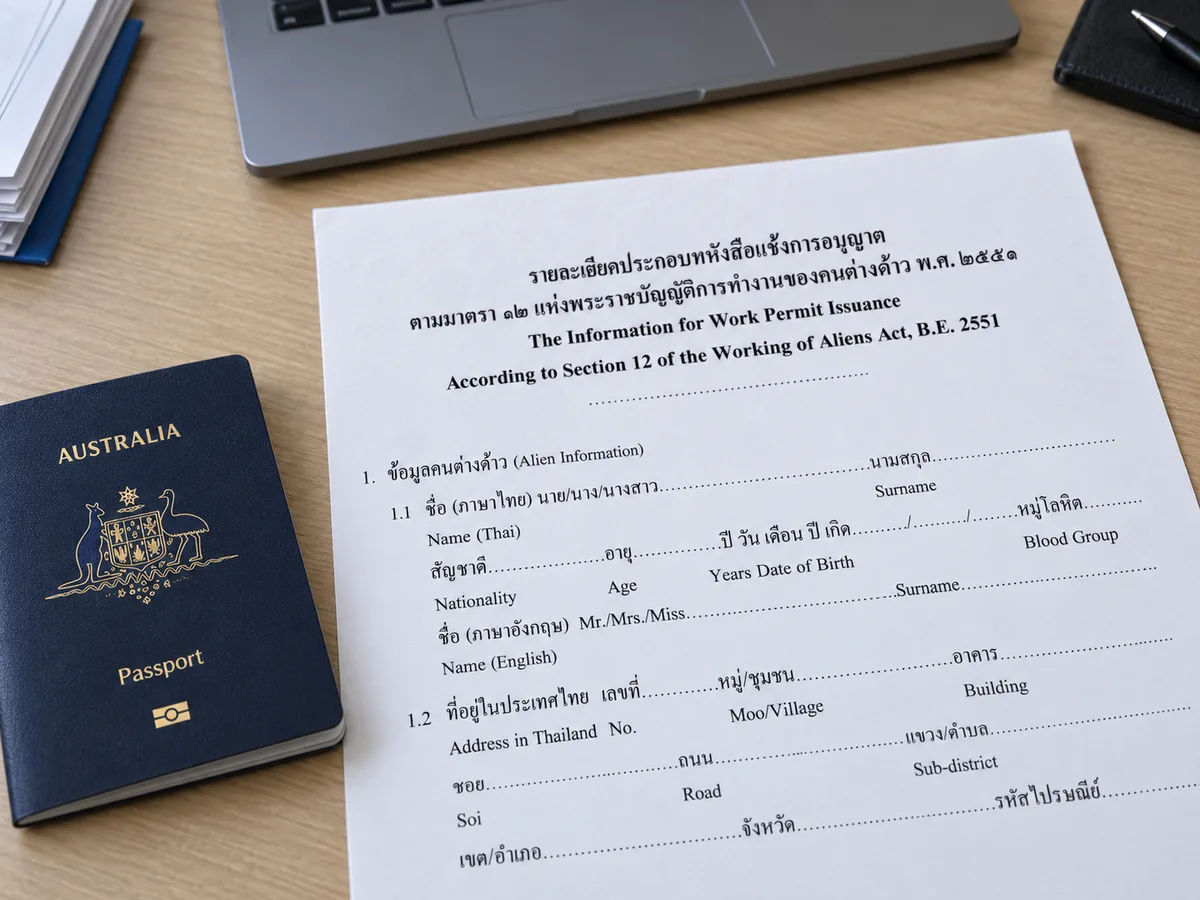
A Thai visa isn't permission to work. How work permits work, the e-WorkPermit system, jobs foreigners can't do, and the DTV, SMART and LTR exceptions.
A visa is about getting into Thailand and staying here. On its own, it doesn't let you work. For an ordinary job in Thailand you normally need a Non-B visa and a work permit from the Department of Employment, and you need both before you start work.
Since October 2025, when the Department of Employment launched it, there's been a national online e-WorkPermit system.
How it works
You won't be doing this on your own. It usually involves your Thai employer or sponsor, the Department of Employment, Immigration (for your visa and permission to stay) and, if your job needs a separate licence, a professional body. If your employer can't explain its part, don't start work on the promise that the paperwork will catch up later.
For an ordinary employee, the usual steps are:
- Checks on the employer and the job.
- Your employer supplies documents for your Non-B application.
- You get the right immigration status.
- The work permit application goes in through the Department of Employment.
- You get permission before you start work.
- Updates or renewals later, if your job, employer or status changes.
SMART, LTR, BOI-promoted companies, urgent work and some exempt cases have their own rules.
What the permission covers
A work permit covers the job it was approved for. Change employer, job, duties or anything else on record and you may need an update or a new approval, so make sure yours covers who you work for and what you actually do.
That includes any work for a second organisation. Unpaid work can still count as work, and owning a company doesn't automatically let you work in it.
Prohibited and restricted occupations
Some work is completely off-limits to foreigners, and some is allowed only under specific conditions or agreements. The Ministry of Labour sets both lists.
There's an unofficial English translation, but the Thai text is the legal one. The list includes jobs plenty of foreigners assume are harmless side work, so read it before you take a role or advertise a service.
A work permit isn't a professional licence either. Architects, engineers, teachers, medical professionals and other regulated jobs may need approval from another body too.
Remote work, the DTV, SMART and LTR
The DTV has a workcation route for remote workers, foreign talent and freelancers. It isn't permission to take a Thai job or do local work, so if your client, employer or company is in Thailand, get proper advice on what you're actually doing.
SMART Visa holders and some LTR holders have their own work arrangements. They only cover the endorsed work, and they don't carry over to other visas.
If the job changes or ends
Your work permit and any extension based on the job can both be affected. Before your last day, find out from your employer, the Department of Employment and Immigration what has to be cancelled or changed, and in what order.
Keep copies of everything you submit and every approval. HR may do the queuing, but you still need to know the date your permission to stay runs out, and it isn't the same date as your work permit.
If you haven't sorted out the visa side yet, our guide to which visa you need compares Thailand's main routes, and the rest are in our visa guides.