Thailand specialist and purpose-specific visas
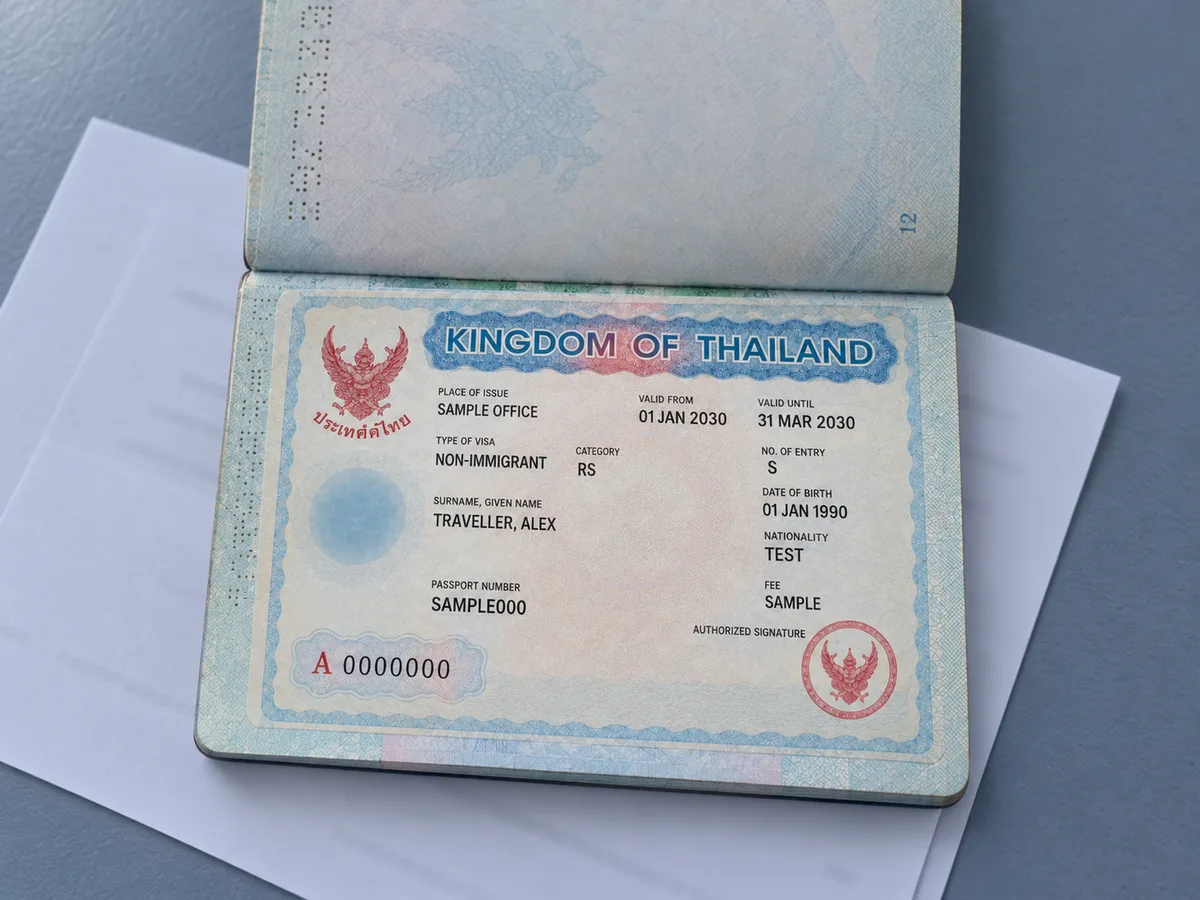
Not a tourist, worker, student or retiree? Thailand has visas for journalists, film crews, researchers, religious work, medical treatment and diplomats.
Thailand's specialist visas are each tied to one purpose, like journalism, research or religious work, and the Thai or overseas organisation behind it. If tourism, family, retirement, ordinary work, study, DTV, LTR, SMART and Thailand Privilege all sound wrong, you probably need one of these.
You apply on Thailand eVisa with the checklist for your category, or follow the instructions from the Thai authority in charge.
The full list covers Transit visas, Non-Immigrant categories F, B, IM, IB, ED, M, R, RS, EX and O, and diplomatic, official and courtesy visas, and the Department of Consular Affairs has its own visa index. Newer eVisa forms tend to ask what you're coming to do rather than which letter you want.
Transit visas
Transit visas cover passing through, taking part in sports events and certain crew situations. Changing planes doesn't always mean you need one. What matters is whether you go through Immigration, collect your bags, change airports or actually enter Thailand.
Ask the airline how your connection works and what your passport needs, and don't apply for a transit visa just because Bangkok is on the itinerary.
Media, journalism and film
Category M is for certain film producers, journalists and reporters. Filming can also involve permits and paperwork outside the visa process.
Your commissioning organisation, production company or the Thai authority involved should tell you which route to use and supply the documents. A tourist visa isn't a safe fallback just because the finished work will be shown overseas.
Research, science and specialist work
RS is for scientific research, or training or teaching in a research institute, and EX is for skilled or expert work. Some investment-promoted work goes under IB, and some specialists fit SMART or LTR instead.
Your sponsoring institution and the agency behind it decide the route, so go by the actual work, employer and endorsement, not whichever code has the closest-sounding name.
Religious and missionary work
Category R is for missionary or other religious work that the responsible Thai authority has agreed to, and your religious organisation should sort out the approval and documents. Buddhist study can go under ED instead. Just joining a retreat may need a different route altogether, such as the DTV if you meet its conditions.
Medical treatment
Medical treatment turns up in more than one place: some Non-O purposes include it, and the DTV covers certain treatment as one of its activities. The two aren't interchangeable. Your hospital or medical centre should tell you what evidence of treatment you'll need, and when.
For an ordinary short medical visit, look at the eVisa purpose list and the short-stay rules for your passport first.
Investment, official and diplomatic visas
On the older code list, F is for official duties, IM for investment approved by the ministries concerned and IB for investment-promoted activity. A BOI-backed job can also lead to a Non-B, LTR or SMART visa. Whichever it is, you'll need supporting documents from whoever's behind it (the government department, BOI unit, employer or project owner).
Diplomatic and official visas are issued on an official request, for the right passport holders on the right duties. Courtesy visas also need an official request, backed by documents from a government or international organisation. If one of these applies to you, the organisation sending you or the ministry responsible should run the process.
Other Non-O purposes
Non-O is the "other" category, and it covers some very different situations. As well as Thai family and retirement, it includes certain social-welfare, medical, sports-coaching and legal-proceedings purposes. Each has its own checklist and needs evidence from the organisation or person your stay is based on.
Working out which one you need
Start from what you'll be doing, not from the visa codes.
- Write down what you'll actually be doing in Thailand.
- Work out which Thai organisation, authority, employer or institution is involved.
- Ask them which eVisa purpose and supporting approval they use.
- Start the eVisa application from the country you're applying in, and follow the checklist it gives you for that purpose and embassy.
- Find out separately whether you also need a work permit, filming permission or an industry licence.
Our visa finder will point you at routes worth a look. The everyday travel and long-stay visas are in our Thailand visa comparison, and the visa hub has every guide.