Koh Chang Travel Guide - Our 22 Top Activities
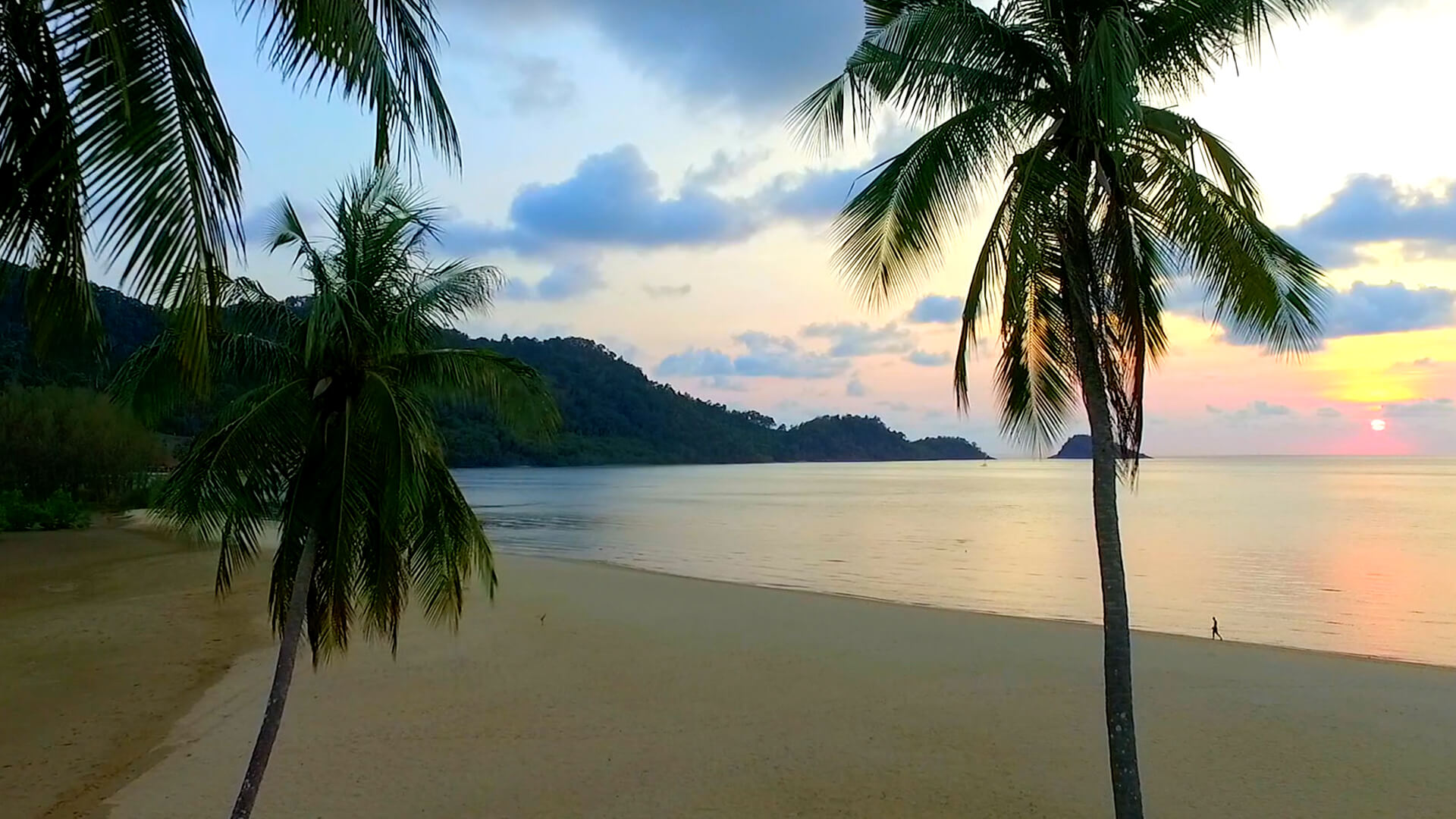
Most visitors come to Koh Chang (เกาะช้าง) for the beaches and don’t get much further. That’s a shame because there’s so much more to do here than lie on the sand.
Koh Chang has jungle-covered mountains, a 100-meter shipwreck you can dive, mangrove forests that most tourists never see, and enough waterfalls to fill a long weekend. We’ve put together the things actually worth your time, including the nightlife, which gets overlooked on most lists. Not a padded list of 25 entries where half are “relax on the beach” and “eat Thai food.”
Some of these work as a day trip. Others need more planning. We’ve included current prices so you can figure out what fits.
1. Dive the HTMS Chang Wreck
Let’s get this one out of the way early: Koh Chang is not a world-class diving destination. If you’re comparing it to the Similan Islands (หมู่เกาะสิมิลัน), the Surin Islands (หมู่เกาะสุรินทร์), or even Koh Tao (เกาะเต่า), the reef diving here doesn’t quite measure up. The visibility isn’t as consistent, the coral isn’t as vibrant, and there are fewer of those jaw-dropping moments you get at Thailand’s more famous dive sites.
But there’s one massive exception, and it’s the reason we rate Koh Chang’s diving so highly: the HTMS Chang wreck.
The HTMS Chang is a decommissioned Thai Navy vessel, over 100 meters long, that was intentionally sunk in 2012 to create an artificial reef. It sits upright on a sandy bottom with the hull at around 32 meters depth and the crow’s nest rising to just 3 meters below the surface. It is, without question, one of the best dive sites in Thailand.
Swimming along the length of this thing is genuinely awe-inspiring. The sheer scale of it is hard to describe until you’re hovering alongside it underwater. Marine life has colonized every surface. Giant groupers lurk around the hull, barracuda circle above, and the upper decks are covered in soft corals and sea fans that have taken hold over the years. Whale sharks are occasionally spotted here, and in March 2026, a green sea turtle took up residence on the wreck. On a good visibility day, you can see the entire ship stretched out below you as you descend, and it’s a sight that stays with you.
Open Water divers can swim around the outside of the wreck, but penetrating it properly requires Advanced certification and wreck diver training. Most dive shops on the island offer the Advanced course and will take you to the HTMS Chang as one of your training dives.
Two-dive trips with the first dive at the wreck run around 3,300 to 3,500 Baht (~$100-110 USD) with all gear included. Visibility is best from October to May when you can see 10-20, and even sometimes 30 meters. We’ve written separately about scuba diving in Koh Chang if you want the full rundown on dive sites and operators.
Beyond the wreck, there are decent local dive sites around Hin Raab (หินราบ), Hin Sam Sao (หินสามเส้า), and Blueberry Hill, plus marine park sites around Koh Rang (เกาะรัง) including the excellent Koh Rang Pinnacle and Three Finger Reef. These are perfectly enjoyable dives with warm water (29-32 degrees year-round), blue-spotted rays, turtles, and healthy coral. They’re just not going to blow the mind of someone who’s dived extensively in the Andaman Sea. For beginners, though, they’re a great introduction.
Most dive operators are based at Bang Bao (บางเบ้า) pier in the south of the island, though you’ll also find shops in Klong Prao (คลองพร้าว) and Lonely Beach (หาดท่าน้ำ).
2. Jungle Trekking
Koh Chang is around 70% national park, and the interior of the island is dense, mountainous jungle that most visitors never set foot in. That’s a shame, because the trekking here is genuinely excellent and there is some incredible wildlife to see.
There are trails ranging from easy walks to full-day treks that take you deep into the rainforest, past waterfalls, through streams, and up to viewpoints with panoramic views of the island and the sea beyond. The jungle is alive with wildlife: hornbills, macaques, monitor lizards, and if you’re lucky (or unlucky, depending on your perspective), snakes.
For a serious trek, hire a local guide. The trails in the interior are not always well-marked and it’s easy to get turned around. A guided trek typically runs a full day and will take you through terrain you wouldn’t find on your own. Hidden waterfalls, old-growth forest, and ridgeline trails with incredible views. Your guide will also point out wildlife and plants you’d otherwise walk straight past. The best guide on the island is a guy named Pisit and you can contact him via his Facebook page. If he is unavailable, you can book from any tour agent around the island, or book in advance on Viator.
Shorter, self-guided walks are possible too, particularly along the waterfall trails. The national park entrance fee is 200 Baht for foreign adults, 100 Baht for foreign children, 40 Baht for Thai adults, and 20 Baht for Thai children. Bring decent shoes. The trails can be rocky and slippery.
3. Take a Snorkeling Day Trip
The best snorkeling around Koh Chang isn’t actually at Koh Chang. It’s at the Koh Rang islands (หมู่เกาะรัง), a cluster of small islands in Mu Ko Chang National Park about 45 minutes south by speedboat.
Most tours hit multiple islands in a day: Koh Rang itself (uninhabited), plus smaller spots like Koh Yak (เกาะหยัก), Koh Thonglang (เกาะทองหลาง), and sometimes Koh Wai (เกาะหวาย). Coral coverage varies, but on a good day you’ll see barracuda, turtles, and huge schools of tropical fish. Unfortunately the better and deeper sites are reserved for scuba divers and the snorkeling trips won’t go to them, though some dive boats will take snorkelers along when there’s space.
You’ve got options at different price points. Budget trips on wooden boats start around 800 Baht per person, including lunch. They all follow the same route at the same time, so the snorkel spots can get crowded. Mid-range trips from operators like Thai Fun cost around 1,500 Baht (they close for the rainy season), offer better food and service, and actively try to avoid the budget boat crowds. If you want the best experience, speedboat trips at around 3,500 Baht take a maximum of 17 guests and time their stops to miss the rush.
If you’ve got a group of six or more and you’re feeling adventurous, you can negotiate a private charter on a wooden fishing boat directly at Bang Bao pier for under 1,500 Baht per person. You’ll need some basic Thai and you may have to bring your own food and drinks.
National park entry is 200 Baht for foreign adults and 100 Baht for foreign children, not always included in tour prices. Tours should include hotel pickup and a mask and snorkel.
4. Visit a Waterfall
Koh Chang has several waterfalls, but they’re not all created equal, and the time of year you visit makes a big difference.
Khlong Phlu Waterfall (น้ำตกคลองพลู)
Khlong Phlu Waterfall is the most popular and the most impressive. It’s about a 600-meter walk through the jungle from the national park entrance near Klong Prao. The path is well-maintained if a bit rocky in places. The waterfall drops into a large natural pool deep enough for swimming. Small fish nibble at your feet if you stand still long enough (free fish pedicure, basically). It’s busiest mid-morning when day-trippers arrive, so either get there early or wait until late afternoon.
This is the only waterfall on Koh Chang that’s really worth visiting outside of the rainy season. It maintains a decent flow year-round thanks to the size of the catchment feeding it, though it did close during a drought in May 2024. During and just after the rains (roughly June to November), it’s at its most spectacular.
National park entry is 200 Baht for foreign adults, 100 Baht for foreign children, 40 Baht for Thai adults, and 20 Baht for Thai children. There are clean bathrooms with soap and toilet paper at the entrance. Leave any alcohol in the car. It’s not allowed inside.
Kai Bae Waterfall (น้ำตกไก่แบ้)
Kai Bae Waterfall is a short walk from the road, tucked into the jungle behind Kai Bae (ไก่แบ้) beach. The path crosses private land and the owner charges 20 Baht, which is fair enough. It’s a pleasant stop if you’re in the area, but it’s much smaller than Khlong Phlu and barely flows outside of rainy season.
Khlong Son Waterfall (น้ำตกคลองสน)
Khlong Son Waterfall is in the north of the island and is similarly seasonal. When the water is flowing it’s a lovely, quieter alternative to Khlong Phlu, but in the dry season you’ll arrive to find little more than a damp rock face.
The east side waterfalls near Salakphet (สลักเพชร) are also worth visiting during or just after the rains. Than Mayom (ธารมะยม) in particular has historical significance. King Rama V and King Rama VII both visited and left their royal initials carved into the rocks. The walk to the falls takes about 20 minutes through the forest and there are several tiers to explore, though you’ll need a park staff guide to reach the third and fourth.
Bottom line: if you’re visiting in high season (November to February), head to Khlong Phlu. If you’re here during or after the rains, explore the smaller falls too. They’re at their best and you’ll likely have them to yourself.
5. Kayak to Koh Man Nai
Koh Man Nai (เกาะมันใน) is a small uninhabited island a 15-minute paddle from Kai Bae beach. You can rent kayaks from Porn Bungalow at the south end of Kai Bae Beach for 100 Baht per hour or 300 Baht for four hours. You can also kayak from Lonely Beach but it’s a bit further.
The island has a small beach and nothing else. No shops, no facilities, no other people most of the time. Bring water, sunscreen, and a waterproof bag for your phone. Life vests and paddles come with the rental. The snorkeling off the rocks on either side of the beach is decent, with colorful fish and some coral.
The paddle over is easy in calm conditions but watch the tides and check wind forecasts. Getting stuck out there as a storm moves in can be quite dangerous. Go at mid to high tide. The beach is very rocky when the water is low.
6. Drive a Motorbike Around the Island
Renting a motorbike is the most popular way to get around Koh Chang, and riding the coastal road with the jungle on one side and the sea on the other is one of the best experiences on the island. The west coast road from Hat Sai Khao (หาดทรายขาว) down to Bang Bao is beautiful, with sweeping views at every turn and plenty of places to stop: beaches, viewpoints, roadside cafes, and temples.
But here’s the important caveat: only rent a motorbike if you are already an experienced rider.
Koh Chang’s roads are steep, winding, and unforgiving. The hills between beaches are serious. Long, steep climbs followed by sharp, blind descents. The road surface can be patchy, sand and gravel wash across the tarmac, and you’ll be sharing the road with trucks, songthaews, and other tourists who also don’t know what they’re doing. Every year, tourists are seriously injured or killed on Koh Chang’s roads, and the majority of them had little or no riding experience before they picked up the keys.
If you’ve never ridden a motorbike before, this is not the place to learn. Take songthaews (สองแถว) instead. They run up and down the west coast throughout the day for 50-150 Baht depending on distance. If you do ride, wear a helmet (it’s the law and it will save your life), drive slowly, and be especially careful on hills and at night. Rental is typically 200 to 300 Baht per day.
The best beaches on Koh Chang aren’t always the named ones. Head down the west coast looking for gaps in the trees. Wai Chaek Beach (หาดไวย์แชค) on the southeastern coast takes a long scooter ride and a scramble to reach, but you might be the only person there. Long Beach (หาดยาว) in the south is also worth the ride. Genuinely empty most of the time, with a long stretch of sand backed by jungle.
7. Watch the Sunset from a Viewpoint
Koh Chang’s west coast faces the setting sun, and on a clear evening the sunsets here are spectacular.
The beaches are great but don’t snooze on the viewpoints either. The viewpoint between Kai Bae and Lonely Beach is a favorite, with a wide-open view across the water and a few islands. It’s a popular photo spot, has a decent coffee shop, and is a good place to see the resident great hornbills.
You don’t need a specific “sunset viewpoint” though. Honestly, any west-facing beach will do. Grab a drink, find a spot on the sand, and enjoy it. Some of the best sunsets we’ve seen in Thailand have been from Koh Chang.
8. Beach Hop
One of the best things about Koh Chang is that every beach has its own distinct character, and they’re all different enough that spending a day hopping between them is genuinely worthwhile.
White Sand Beach - Hat Sai Khao (หาดทรายขาว)
White Sand Beach - Hat Sai Khao is the busiest and most developed, with the widest range of hotels, restaurants, and shops. The northern end is quieter and has some of the nicest sand on the island. Walk around or through Rock Sand Resort to find an extra 600 meters of beach most people never make it to.
Klong Prao (คลองพร้าว)
Klong Prao is split by a river and feels much more peaceful than Hat Sai Khao. It’s long, wide, and never crowded. Great for families, although at times it can have sandflies.
Kai Bae (ไก่แบ้)
Kai Bae has a relaxed, friendly vibe with good restaurants and a lively walking street in the evening. The beach itself is nice but narrow in places.
Lonely Beach (หาดท่าน้ำ)
Lonely Beach lives up to its name less than it used to, but it’s still the most backpacker-oriented spot on the island. The beach is lovely. A long curve of sand backed by palms. If you’re looking for a younger crowd and afternoon cocktails while a DJ spins lo fi and house tunes, this is the place.
Bailan (ใบลาน)
Bailan is a quiet little bay between Lonely Beach and Bang Bao that most people drive straight past. Worth a stop.
Bang Bao (บางเบ้า)
Bang Bao isn’t really a beach. It’s a fishing village built on stilts over the water. But it’s worth visiting for the atmosphere, the seafood, and the views.
Khlong Kloi (หาดคลองกลอย)
Khlong Kloi is the last beach along the west side road past Bang Bao and its remoteness keeps it quieter than other beaches. There’s a nice independent traveler vibe here but the sea is often murky.
Check out the section on the East Side of Koh Chang to read about Long Beach and Wai Chaek, two stunning beaches with practically nobody there, but a trek to get to.
Each beach genuinely feels different, and discovering which one is “yours” is one of the joys of Koh Chang.
9. Go to a Waterpark
This is one for the kids, honestly. Koh Chang has two waterpark options, but they’re modest. Don’t expect Siam Park. Both are part of hotels and if your kids enjoy waterslides we recommend staying in one of them.
The Splash Koh Chang is a resort waterpark that’s also open to non-hotel guests. You pay an entrance fee (it’s free if you’re staying there) and get access to slides, a pool, and a lazy river. It’s fine for younger children and a good way to break up a beach day, but older kids and adults might find it underwhelming.
The more fun option for older kids is actually the pools and slides at Koh Chang Paradise Resort & Spa on Klong Prao, but these are for hotel guests only. If you’re staying elsewhere, you’re out of luck. If you’re booking accommodation and have kids who love waterslides, this is worth factoring into your hotel choice.
10. Go Out at Night
Koh Chang’s nightlife is more varied than people expect. It’s not Koh Phangan (เกาะพะงัน), but it’s not dead either.
Lonely Beach nightlife
Lonely Beach has traditionally been the backpacker party hub, with fire shows on the beach and cheap buckets. And it still has that scene, to a degree. But it’s not what it used to be, especially in low season when some of the bars barely open. Himmel Megabar on Soi 1 has a huge dance floor and DJs running until the last person leaves. Ting Tong Bar next door is similar: loud music, cheap buckets, travelers in their twenties. Stone Free is where musicians show up for jam sessions, more blues-rock than electronic. Cancun Bar on the beachfront transitions from sunset chillout to fire show to DJ sets as the evening goes on. Mimo Bar on the beach is a good spot in the evenings, and when they have occasional parties.
Kai Bae and White Sand Beach
But a lot of the nightlife energy has shifted north. Kai Bae Walking Street has 20-odd small bars off the main road. Most are the kind of beer bars with red lights, foreign men and Thai women. Dot and Dash is a nightclub and liveliest spot on the island these days. Great cocktails, packed on busy nights, and the kind of atmosphere that keeps you out later than you planned. Morgan’s is the most modern of the lot with two floors and big screens for football. El Barrio does Mexican food with properly mixed cocktails.
White Sand Beach has a strip of 30-odd small bars at the southern end that locals call “Little Pattaya” another set of Red Light beer bars. Oodie’s Place is the standout. The owner plays guitar in the house band and they do proper rock, blues, and folk. Sabay Bar has a good Filipino cover band and beanbags on the sand, plus a very good fire show.
Klong Prao and the south
Klong Prao is mellower. Boom Bar in South Klong Prao has a live band nightly in a big open-air setup. Nelly O’Chang’s is an Irish bar with Guinness on tap, darts, and a pool table. Exactly what you’d expect.
Bang Bao and the south is quieter but has character. Mr T’s at Khlong Kloi Beach (หาดคลองกลอย) features the owner playing acoustic reggae most nights. Rasta View on the hill between Bang Bao pier and Khlong Kloi has Gulf views, beanbags, and a collection of classic motorcycles on display.
Most bars don’t charge entry. Drinks are standard Thai island prices: 80 to 150 Baht for a beer, 150 to 250 Baht for cocktails.
11. Check Out Bang Bao Pier
Bang Bao is the departure point for boats heading south to other islands, but it’s worth visiting even if you’re not catching a ferry.
The pier extends far out over the water, lined on both sides with restaurants, dive shops, souvenir stalls, and one-room stilt bungalows where you can stay the night. It feels more like a floating village than a pier.
Seafood is decent here (though not the cheapest on the island) and you can watch the boats come and go while you eat. There’s also a small second-hand bookshop run by an expat and a few shops selling quality leather goods. Not the usual tourist crap (but also plenty of that). Go in the morning before it gets busy, or in the late afternoon when the light is beautiful and the boat trip crowds have headed back.
12. Tree Top Adventure Park
If you’ve done one zipline in Southeast Asia, you’ve probably done enough. But Tree Top Adventure Park on Koh Chang is more than just wires. It’s a full course of rope bridges, Tarzan swings, and aerial platforms high in the jungle canopy.
The park moved from Bailan to Lonely Beach in 2024. Sessions run at 9am, 11am, 1pm, and 3pm (11 and 3 only for those not needing hotel pickup) and take about an hour to an hour and a half. Price is 1,050 Baht (~$30) per person including hotel pickup between White Sand Beach and Lonely Beach, or 900 Baht if you make your own way there.
Minimum height is 140cm (about 4.5 feet), maximum weight of 100kg and maximum waist size of 45 inches. Kids under 10 can’t participate, which means this isn’t for families with young children. Children under 12 need at least one participating guardian per group. The same price applies regardless of age.
13. Explore the Quiet East Side
Most visitors to Koh Chang stick to the west coast, and that’s understandable. That’s where the beaches, the hotels, and the nightlife are. But the east side of the island is a completely different world, and spending a day exploring it is one of the best things you can do on Koh Chang. If you really just want peace and quiet and don’t care for sandy beaches, staying over there can be quite nice as well.
The East Coast is quiet, rural, and largely untouched by tourism. The road winds through fishing villages, past mangrove forests, and along a rugged coastline with barely another tourist in sight. It feels like a different island entirely, and in many ways, it’s the more authentic side of Koh Chang. Here’s what to see and do:
Visit Long Beach (หาดยาว)
Long Beach is the east coast’s best-kept secret. A stretch of white sand backed by jungle, with crystal-clear water and almost nobody on it. It’s a long way to get there, even another 10km past Salak Khok on a small, winding road, which is exactly why it stays so quiet. It’s the kind of beach that people imagine when they think of Thailand but rarely find. Peaceful, beautiful, and uncommercialized. Bring your own water and supplies, as there’s very little in the way of facilities, although a decent restaurant is usually open during high season. At very high tides the beach is almost entirely underwater.
Walk the Salakphet Mangrove Boardwalk
Salakphet (สลักเพชร) has a 520-meter boardwalk through the mangrove forest that almost nobody visits. The walkway is mostly concrete now (after years of the original wooden planks rotting away) and leads to viewpoints over the tidal flats. Go at high tide for the best photos.
To find it: follow the east coast road 25km south until you reach the temple. Drive through the temple grounds, take the first left over a wooden bridge, and follow the narrow road to the end. There’s a small parking fee (10 Baht) and a coffee shop at the entrance. No entry fee.
Some sections of the wooden parts are badly damaged, so watch your step. But it’s worth the drive to see a completely different side of the island.
Eat Seafood at Salakphet
Salakphet is a fishing village on the southeast coast, and it’s home to some of the best and most affordable seafood on the island. Several restaurants are built on stilts over the water at the edge of the bay, and they serve whatever the local boats have brought in that day. Crab, squid, prawns, whole grilled fish. The setting is gorgeous, the food is fresh and delicious, and the prices are a fraction of what you’d pay at the west coast tourist restaurants. This is where the locals eat, and that tells you everything.
Kayak Salakphet Bay (อ่าวสลักเพชร)
Salakphet Bay is a large, calm, sheltered bay, and kayaking here is a beautiful way to spend a morning. The water is flat and protected, surrounded by jungle-covered hills and dotted with fishing boats. You can paddle out to small islands, explore the edges of the mangroves, and enjoy the silence. The only sounds are birds, the occasional fishing boat engine, and your paddle in the water. Kayaks can be rented from guesthouses and restaurants around the bay.
Take a Gondola Boat Ride in Salak Khok (สลักคอก)
Salak Khok is a small fishing village on the east coast where you can hire a local boat for a guided tour through the mangrove-lined waterways. The boats are small, narrow wooden vessels with a table and seats on either side, and the boatman will row you slowly through the mangrove channels, pointing out wildlife and explaining the local way of life. A couple of seafood restaurants serve fresh catch, and you can arrange to have food served on your boat ride. It’s a peaceful, slow experience that gives you a glimpse into a side of Koh Chang that most tourists never see. You can arrange a boat at the village pier for up to four people per boat. You can also book via Viator but the tour doesn’t include transportation so you still have to get there on your own.
East Side Waterfalls
The east side has several waterfalls that are at their best during and just after the rainy season. Than Mayom (ธารมะยม) is the most famous, with royal initials carved by Kings Rama V and VII still visible on the rocks. The walk to the falls takes about 20 minutes through the forest and there are several tiers to explore, though you’ll need a park staff guide to reach the third and fourth. During the wet season, these falls are genuinely beautiful and far less crowded than Khlong Phlu on the west side. In the dry season, they’re barely a trickle and not worth the trip.
The National Park entry fee applies here and some people find it not that worth it. It’s actually a pretty nice waterfall when it’s flowing. You can visit the other National Park waterfall or Koh Ngam on the same day with the same ticket.
Salakphet Temple (วัดสลักเพชร)
Tucked away in the southeast corner of the island, Wat Salakphet is a working Buddhist temple that sees very few tourists. It’s not a grand or famous temple. There are no golden spires, just naga and mythical-creature statues around the ordination hall. But that’s part of its appeal. It’s a quiet, local place of worship set against the backdrop of the jungle and the bay. Visit in the morning when the monks are active, show respect (cover shoulders and knees, remove shoes), and enjoy the peacefulness. They sometimes ask for a donation to the temple as an entrance fee, which is understandable as some tours come here.
The Naval Battle Memorial
At the southeastern tip of the island past Long Beach, there’s a small memorial at Hat Yuthanavy commemorating the Battle of Koh Chang (ยุทธนาวีเกาะช้าง), a naval engagement fought in January 1941 between the Royal Thai Navy and the French Navy (Vichy France) during the Franco-Thai War. Thailand lost several ships in the battle, and the memorial includes information boards, old photographs, and the remains of one of the vessels.
It’s not a major attraction and you’ll probably have the place to yourself, but if you’re interested in history, it adds a meaningful layer to your understanding of the island. Combine it with lunch at Salakphet and kayaking in the bay for a full east-coast afternoon.
Kayak to Koh Ngam (เกาะง่าม)
Past the Naval memorial at the far southern tip of Koh Chang you can rent a kayak to visit nearby Koh Ngam. A thin strip of land connects two hills and with a beach on either side it has a very unique look. If we’re being honest, drone photos of this place make it look cooler than it is, but it is nice.
Kayaks cost just 200 Baht for a few hours and it only takes about 5 minutes. You can also take a boat for 100 Baht per person. You have to pay the National Park fee when you arrive, and the same ticket works here and for the waterfalls on the same day. Pretty fun if you’re looking to do a lot on your east side excursion.
14. Learn to Cook Thai Food
Koh Chang has several cooking schools, and they’re a good way to kill an afternoon when you’ve had enough sun.
Napalai in Klong Prao runs three classes daily: morning (1,500 Baht / ~$43), afternoon (1,200 Baht / ~$35), and evening (2,000 Baht / ~$58). The evening class is the only one that teaches fish preparation. Maximum eight students per class. Koh Chang Thai Cooking School (also called Nam’s) charges 1,500 Baht for six dishes in a three- or four-hour session. Add 200 Baht if you want to cook fish dishes.
Kati Culinary in Khlong Prao also does a good one.
Most schools include hotel pickup, ingredients, a recipe book to take home, and you eat what you cook. The standard Thai stuff (pad thai, green curry, tom yum) but you’ll make it from scratch.
15. Island Hop to Koh Wai, Koh Mak & Koh Kood
Koh Chang is the biggest island in an archipelago of 54, and the smaller neighbors are worth a visit.
Koh Wai (เกาะหวาย)
Koh Wai is the closest, just 30 minutes by speedboat (around 400 Baht). Lots of day trips by boat also stop here. It’s tiny, undeveloped, and has nice snorkeling right off the beach. There are a couple of basic restaurants but not much else, which is the charm. You can also stay here in basic bungalows.
Koh Mak (เกาะหมาก)
Koh Mak is about 45 minutes by speedboat (around 600 Baht) and is a bigger, flatter island with a handful of resorts, beautiful beaches, and a wonderfully sleepy atmosphere. It’s what Koh Chang might have been 20 years ago.
Koh Kood (เกาะกูด)
Koh Kood is about an hour away (around 900 Baht) and is arguably the most beautiful island in the group. Stunning beaches, clear water, a great waterfall, and a fraction of the tourists. If you have time, spend a night or two here. If you’re not looking for much nightlife, maybe a week or two.
You can book speedboats or slow wooden boats (cheaper, high season only) from tour shops on any of Koh Chang’s west coast beaches or directly from Bang Bao pier.
16. Browse the Night Market at Hat Sai Khao
Every evening from about 5pm, a night market sets up along the road between Kacha Resort and Findig shopping center on White Sand Beach.
Satay skewers for 20 to 40 Baht each, kanom krok (ขนมครก, coconut pancakes), mango sticky rice, fresh fruit shakes, and roti with Nutella and banana. It’s nothing special compared to the big night markets you’ll find on the mainland. If you’ve been to Chiang Mai (เชียงใหม่) or Bangkok (กรุงเทพฯ), this one won’t blow you away. But if you’re staying at Hat Sai Khao, there’s no reason not to eat here. You’ll eat better for 200 Baht than you will at most of the restaurants charging triple. Cash only at most stalls.
17. Watch Muay Thai Fights
Koh Chang has its own Muay Thai (มวยไทย) stadium with live fights. Tickets are around 900 Baht and the fights are the real thing, not the tourist-show stuff you sometimes get in Phuket (ภูเก็ต).
If watching isn’t enough, several gyms around the island take walk-in visitors for training sessions. A single class runs 500 to 800 Baht, or you can book a week of daily sessions at a discount. It’s a great workout even if you have no interest in actually fighting anyone.
18. Watch Fire Shows on the Beach
Most evenings during high season, fire dancers perform on the beaches. Spinning flaming poi, fire staffs, the works. It’s free (but you should tip), it looks spectacular against the water, and it’s a solid reason to stay on the beach after dark.
The most reliable spots are Sabay Bar at White Sands and Cancun Bar at Lonely Beach. Shows usually start around 8 or 9 pm, or later at bars. No tickets, no reservations. Just grab a drink and watch.
19. Try Paddleboarding
SUP boards are available for rent on most of Koh Chang’s west coast beaches. The water is generally calm enough for beginners in the morning before the wind picks up. Kai Bae and Klong Prao are particularly good spots, with calm, shallow water and beautiful scenery. Rentals run about 100 to 400 Baht per hour. Late afternoon works too. Some of the rental places offer sunset SUP sessions, which is a better deal than paying resort prices for a cocktail with a view.
20. Book a Fishing Trip
Fishing trips leave from Bang Bao pier and head out to waters where you can catch Spanish mackerel, barracuda, trevally, snapper, grouper and African pompano. Half-day trips start around 1,500 Baht per person; full-day trips with serious gear run higher. Bottom fishing closer to shore is cheaper and works well for families. Some boats will cook your catch at a restaurant back on shore, which is a nice touch.
Honestly, most of the fishing trips you’ll book will just bottom bash with squid bait and catch small fish. There is actually very good fishing around Koh Chang and a few Thai captains who can get you on some big fish. But the few who actually can do so tend to be fully booked up with Thai anglers. You can try booking a boat that seems more serious, but without fish finders or quality gear you’ll be counting on a lot of luck. Nighttime squid fishing is usually an exception and you should catch plenty.
21. Get a Thai Massage
Massage shops are everywhere on Koh Chang. Expect to pay 300 to 500 Baht for a traditional Thai massage, and more like 1,100 at the resort spas. For something more luxurious, KC Grande on Hat Sai Khao and Santhiya at Klong Prao on the west coast offer full spa packages in beautiful settings.
There’s nothing particularly unique about getting a massage here versus anywhere else in Thailand, but after a day of hiking or diving, it’s one of life’s great pleasures. Don’t skip it. We recommend a spot on the beach where you can hear the lapping waves.
22. Yoga, Fitness & Wellness
Sol Beach on Klong Prao runs yoga classes in a beachfront shala. Hatha, yin, vinyasa flow, and aqua yoga, all levels welcome, 400 Baht per class. They also do beach fitness sessions, breathwork and guided ice bath classes, and have an outdoor gym with a sauna and cold plunge (300 Baht day pass gets you all three). It’s a proper wellness setup, not just a resort add-on. Check their wellness page for the current schedule.
Beyond Sol Beach, drop-in yoga classes are available around Bailan (ใบลาน) and Lonely Beach, and massage shops are everywhere if you just want to stretch out after a day of hiking or diving.
What about elephant camps?
We’re including this because you’ll see elephant trekking advertised everywhere on Koh Chang.
Here’s the honest answer: the elephant camps on the island don’t have great reputations when it comes to how the animals are treated. If seeing elephants ethically matters to you, you’re better off visiting a certified sanctuary elsewhere. Check out our post on how to book an ethical elephant sanctuary to learn more.
We’d rather tell you that than recommend something we’re not comfortable with.