Bitten by a dog in Thailand - what to do and how to get rabies treatment
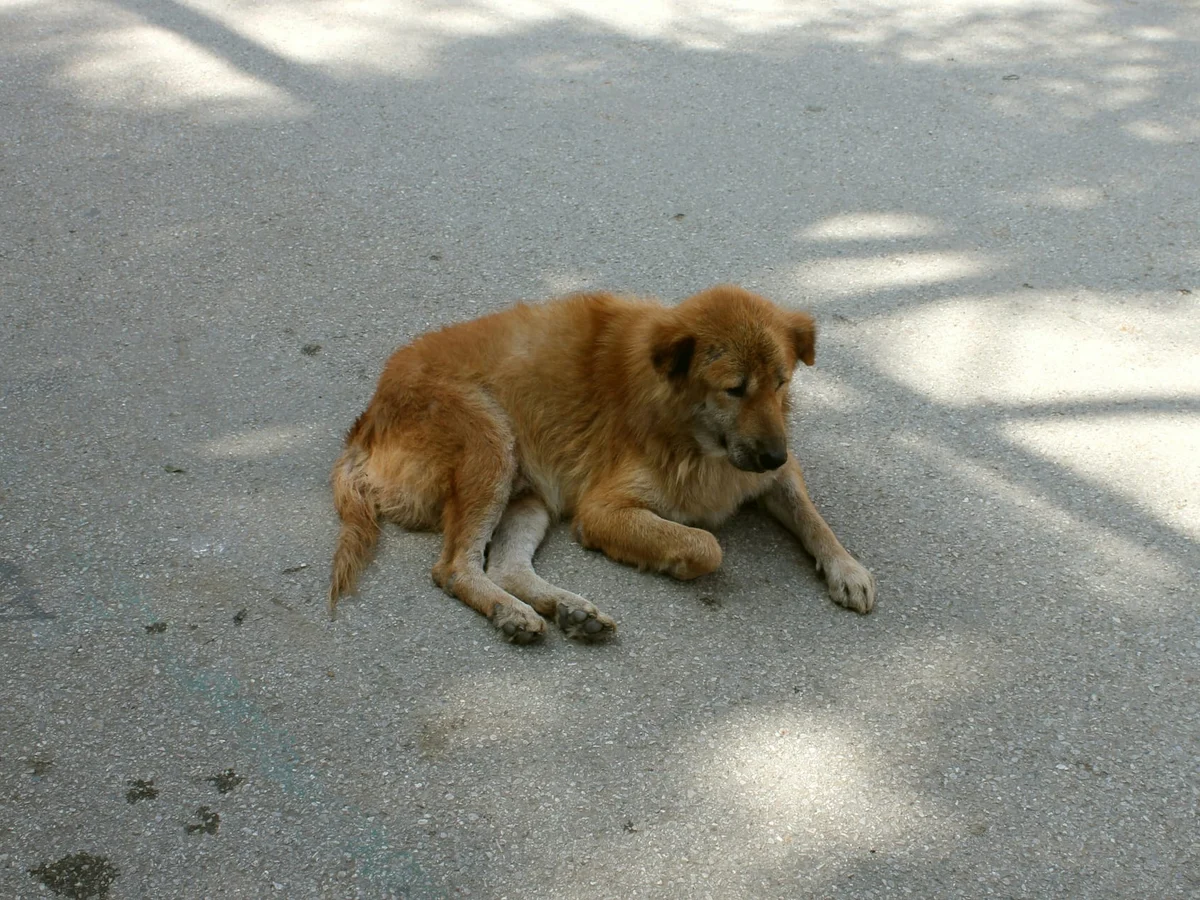
Stray dogs are everywhere in Thailand. Temples, beaches, markets, outside your hotel - you’ll see them daily. Most are honestly harmless and very familiar with people. Many bark, but that’s it.
Some are friendly enough that you’ll end up with a favorite one by the end of your trip. With that said, dog bites happen - it’s not that rare. If you get bitten by a dog in Thailand, you need to act fast because of one word: rabies (โรคพิษสุนัขบ้า).
Rabies is nearly 100% fatal once symptoms appear. There is no cure. But it’s also nearly 100% preventable if you get treatment quickly.
Step 1: Wash the wound immediately
Washing is urgent first aid, not a substitute for medical assessment.
Wash the bite under running water with soap for at least 15 minutes. We know that sounds like a long time - it is. Time it.
WHO includes povidone-iodine among agents used for wound care. Do not delay medical assessment while looking for a particular product.
If you’re not alone, ask someone to help you arrange medical care while you wash the wound.
Warning: Do not try to close the wound yourself. A doctor will assess whether it needs closing.
Step 2: Get to a hospital (โรงพยาบาล)
Don’t wait. Seek medical assessment immediately. WHO advises immediate treatment for suspected rabies exposure. You’re going for wound care and assessment for rabies post-exposure prophylaxis (PEP).
Where to go:
- Any government or private hospital - most hospitals in Thailand stock the rabies vaccine. Government hospitals are significantly cheaper if you don’t have insurance (our advice on travel insurance is here).
- Queen Saovabha Memorial Institute (สถานเสาวภา, Thai Red Cross), 1871 Rama IV Road, Bangkok. Its rabies clinic is near MRT Sam Yan and operates during daytime hours. Check the current opening hours before travelling, but do not wait for it to open before seeking urgent care.
- Bumrungrad International Hospital, Sukhumvit Soi 3, Bangkok - if you want an international hospital with English-speaking staff. Emergency: 1378. More expensive but very efficient.
- Bangkok Hospital - branches in most major cities and tourist towns.
If you’re on an island: seek care at a medical facility immediately. Ask the clinician what treatment you need and where it can be given, including whether a referral is needed. Do not delay seeking care while arranging your own mainland transfer.
Step 3: understand what treatment you’ll get
The doctor will assess your bite using the WHO exposure categories:
- Category I (you touched or fed the dog, skin intact) - wash the area, no vaccine needed
- Category II (nibbling uncovered skin, or scratches or scrapes that didn’t bleed) - wash + rabies vaccine course
- Category III (bite broke the skin, or lick on broken skin) - wash + rabies vaccine + rabies immunoglobulin (RIG)
Most dog bites fall into Category III.
The vaccine course is 4 doses given on days 0, 3, 7, and 14 (some protocols add day 28). Thailand widely uses the intradermal method - smaller doses injected into the skin rather than the muscle, on a slightly different schedule. It’s WHO-approved and 60-80% cheaper. You’ll need to return to a hospital for each dose, but they don’t have to be at the same hospital.
Rabies immunoglobulin (RIG) is injected around the wound site, ideally on day 0 (and no later than day 7). It provides immediate protection while the vaccine kicks in. RIG is the expensive part, and the part that’s hardest to find on islands or in rural areas.
If you’ve had the pre-exposure rabies vaccine before travelling, you only need 2 booster doses (days 0 and 3) and no RIG at all. This is a strong argument for getting vaccinated before your trip - check our vaccinations and health guide for more on that.
How much rabies treatment costs in Thailand
Treatment is dramatically cheaper here than in most Western countries.
Government hospitals:
- Vaccine course (intradermal schedule): 800-1,600 baht (~$23-$46 USD)
- RIG: 2,000-8,000 baht (~$58-$230 USD)
- Total with RIG: 3,000-10,000 baht (~$86-$290 USD)
Private hospitals:
- Vaccine course (4 doses, intramuscular): 2,000-6,000 baht (~$58-$175 USD)
- RIG: 5,000-20,000 baht (~$145-$580 USD)
- Total with RIG: 8,000-25,000 baht (~$230-$725 USD)
International hospitals (Bumrungrad, etc):
- Total with RIG: 15,000-40,000 baht (~$435-$1,160 USD)
Even the most expensive option in Thailand is much less than back home.
Pre-exposure vaccination (before you get bitten): This can be considered. 3 doses at a private hospital costs 2,400-6,000 baht (~$70-$175 USD) total. Worth considering if you’re spending extended time here or travelling to rural areas.
Does travel insurance cover rabies treatment?
Emergency rabies PEP is typically covered under the medical expenses section of travel insurance policies. SafetyWing, which we recommend for travel insurance, covers emergency medical treatment including rabies PEP.
Two things to know: Thai hospitals usually require upfront payment (insurance reimburses you later), and treatment here is cheap enough that it might fall within your excess/deductible anyway. Keep all receipts and medical documentation.
Pre-exposure vaccination is generally not covered by travel insurance - that’s considered preventive care.
How common is rabies in Thailand?
In a briefing published on 15 July 2026, Thailand’s DDC reported seven rabies deaths in 2026 as of 10 July. That is a dated count of reported deaths, not a measure of your individual risk.
The WHO estimates 59,000 people die from rabies globally each year, with dogs responsible for 99% of human cases. Children under 15 account for 40% of victims worldwide.
The point isn’t to scare you. It is to make sure you understand that “it was just a puppy” or “the dog seemed healthy” is not a reason to skip treatment. According to WHO's rabies fact sheet, incubation is typically two to three months but can range from one week to one year. Do not wait for symptoms.
How to avoid dog bites in Thailand
Most bites happen because someone tried to pet a stray, got between a mother and her puppies, or startled a sleeping dog. It’s one of those risks that’s easy to avoid once you’re aware of it - like the common scams we write about. A few simple rules:
- Don’t touch strays - even if they look friendly. You don’t know their history.
- Don’t run from an aggressive dog - stand still, avoid eye contact, and back away slowly. Running triggers a chase instinct.
- Watch for temple dogs at night - temple dogs are usually docile during the day but can be territorial after dark.
- Be careful around food - dogs that guard food scraps or territory around restaurants can be aggressive.
Emergency contacts
- Thai DDC information hotline (กรมควบคุมโรค): 1422
- EMS / ambulance: 1669
- Tourist police: 1155
- Bumrungrad Emergency: 1378
1422 is an information line. Do not wait for telephone advice before seeking medical assessment after a bite.
Frequently asked questions
How much does rabies treatment cost in Thailand?
At a government hospital, the full vaccine course costs 800-1,600 baht (~~$23-$46 USD). If you need RIG, add 2,000-8,000 baht (~~$58-$230 USD). Private hospitals charge 2,000-6,000 baht for the vaccine and 5,000-20,000 baht for RIG. International hospitals like Bumrungrad charge 15,000-40,000 baht total - still far cheaper than the USA.
Do I need rabies shots after a dog bite in Thailand?
If the bite broke your skin, yes. Rabies is nearly 100% fatal once symptoms appear, and there is no cure. Seek medical assessment for rabies post-exposure prophylaxis immediately. Even a scratch that drew blood warrants treatment. Don’t wait to see if the dog “seemed healthy” - you can’t tell by looking.
Can I get rabies treatment on Thai islands?
Seek medical care immediately. Ask the clinician to assess the exposure and confirm where any required vaccine or immunoglobulin can be given. Don't assume a clinic has stock, and don't delay care while planning a mainland transfer.
Is rabies common in Thailand?
Thailand continues to report human rabies deaths. See the dated DDC figures above. Seek medical assessment immediately after a potentially rabies-exposing bite or scratch.
Should I get the rabies vaccine before travelling to Thailand?
It costs 2,400-6,000 baht (~$70-$175 USD) for 3 doses at a private hospital in Thailand (newer schedules use just two). It doesn’t mean you can skip treatment after a bite, but it simplifies things - just 2 booster shots, no RIG needed. Worth it if you plan to be around animals, travel rural, or visit islands where RIG might not be available. Check our vaccinations guide for the full picture.
If you’re reading this because you’ve actually just been bitten - stop reading and go wash the wound. Fifteen minutes under running water with soap. Then get to a hospital. Everything else can wait.
For more on staying healthy and safe in Thailand, check out our beginner tips guide and our emergency numbers page.