The written & unwritten rules of the road: How to stay safe
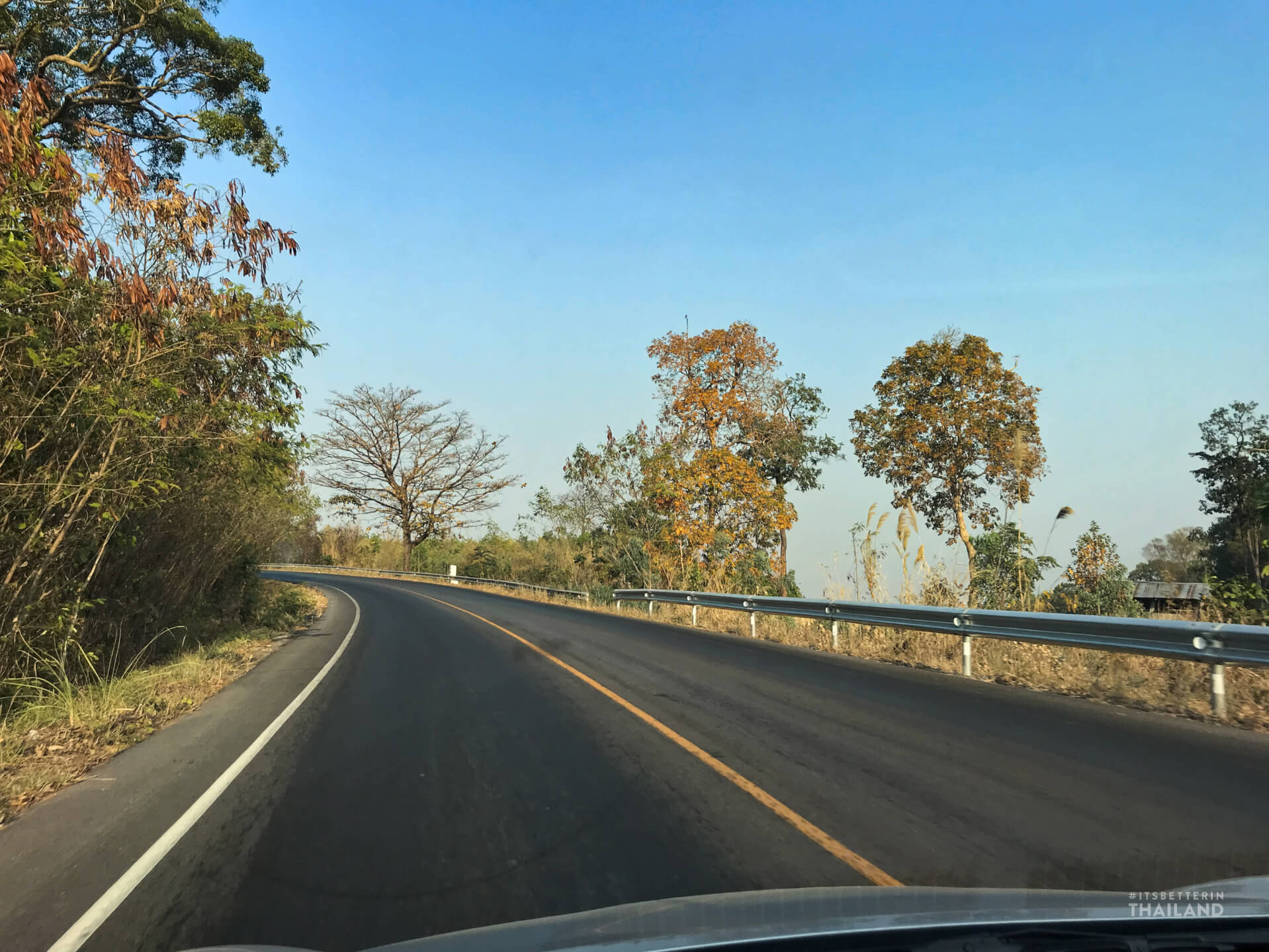
These are the rules of the road in Thailand, the written ones and the unwritten ones.
Driving on the left side - Similar to countries like the UK, Thailand drives on the left side of the road, and the steering wheel is on the right hand side. If you’re coming from a country which drives on the right side, please be careful - many deaths are attributed to tourists driving around corners on the wrong side of the road.
Roundabouts - The rules for roundabouts are standard. You give way to any vehicles on the roundabout approaching from the right hand side. However you wouldn’t know that is the rule because other drivers are unpredictable - there are not many roundabouts in the country and many locals have no idea how to use them - not giving way, stopping in the middle of the roundabout - no doubt you’ll experience this.
Drivers flashing their lights - If you’re coming from a country such as the UK, you might think somebody flashing their lights means they’ve seen you and they’re going to let you turn or move in to the road, but in Thailand, it means the exact opposite. The driver is signalling to say he isn’t going to stop, and to get the hell out of their way.
Turning left on a red light (turning right if you’re from the US) - This isn’t possible in some countries such as the UK, but more often than not you can turn left even when the traffic light is red. There is usually a small sign next to the traffic light that says (in Thai) that you can turn left when it is safe to do so - or it’ll say to wait, but again, in Thai. Either way, locals usually ignore this and turn anyway.
Buying fuel/gas/petrol - With very few exceptions, when you arrive at the gas station (likely a PTT station, which is our favourite by the way), if you want a specific fuel (Gasohol 91 or 95, diesel, premium diesel for example), you’ll want to look at the signs above the pump and drive in to the correct side for your filler cap, but also a side that has the fuel you want. “B7” is the standard diesel, and 91 is the standard unleaded - these are fine unless you’re riding or driving a big bike or high performance car, where you’ll want to use a fuel with 95 octane or higher, or possibly a premium diesel.
You don’t fill up by yourself. Turn off the engine and wait for an employee to come to your window. Tell them what you want, and how much. They’ll fill your car or motorbike for you, and then you can pay by cash, card, or bank scan - and off you go.
Undertaking / overtaking - Simply put, you’re not supposed to undertake.
Checkpoints and being pulled over by the police - In over a decade, we’ve never been pulled over by the police, but it does happen, and we’ve seen it happen in places such as Phuket, however checkpoints are very common. When it comes to checkpoints there are two main types.
Permanent checkpoints - These checkpoints are usually manned by officers in a military outfit and are stationed closer to borders or on main routes which would lead from borders to main cities. If they’re unmanned you can drive straight through, if they’re manned you’ll need to roll down your window and say hi. They’ve always simply waved us through - nothing to worry about.
Mobile checkpoints - Mobile checkpoints usually pop up in the same or similar locations in cities and highways - often when the sun isn’t too high in the sky. They’re used as a bit of a shakedown for the police to make some income. This is fair, because you’re only going to pay a fine if you’re doing something wrong. We’ve been fined for expired road tax, no helmets, wheels which stick out from the body of the car too far, no motorcycle rear view mirrors, exhaust too loud, no driving licence - and that’s fair game.