Accommodation in Thailand - All types compared and what’s best for you
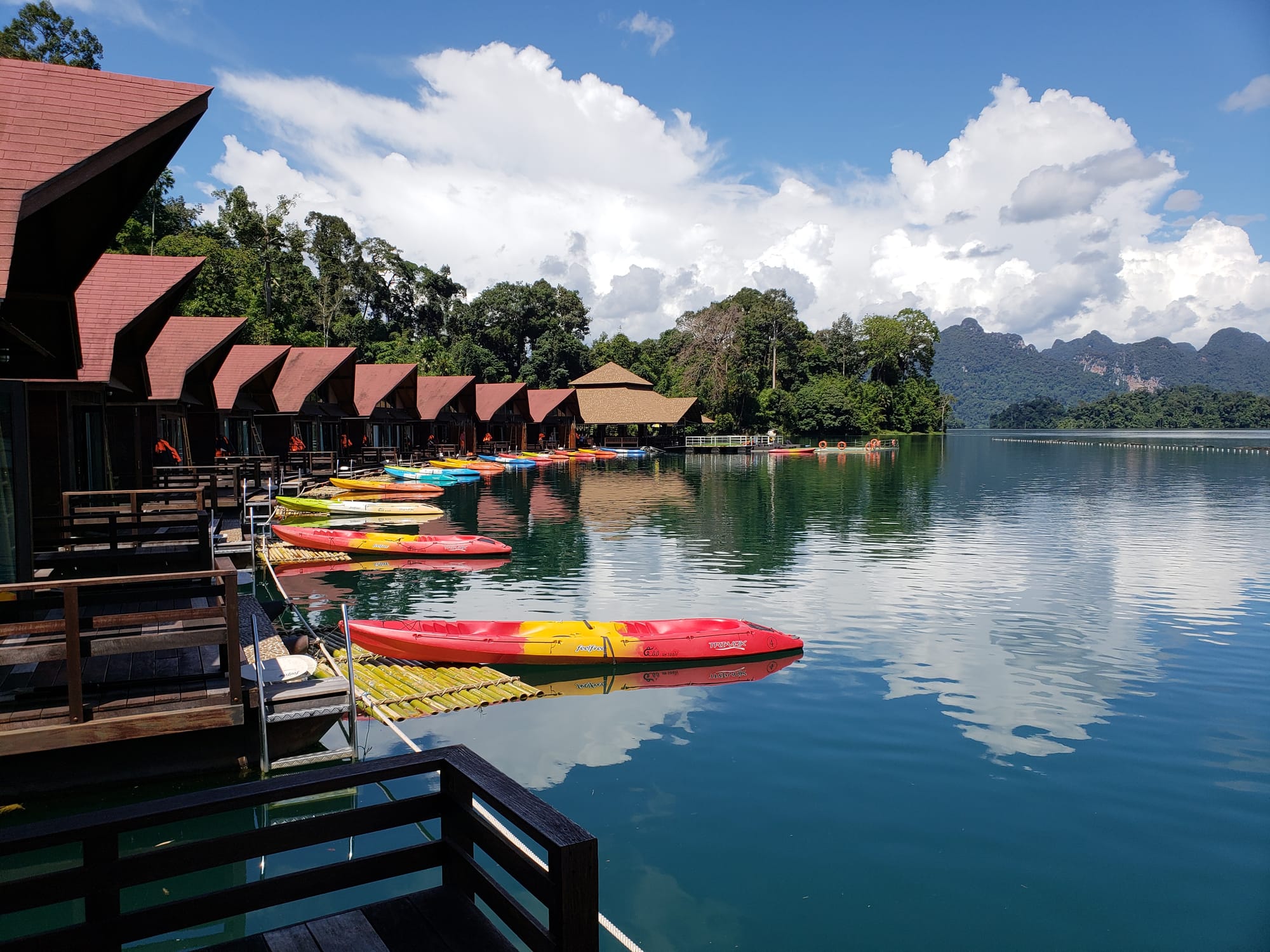
Accommodation is unbelievably convenient in Thailand. Book when you arrive, book in advance, stay a day, a month, a year - it’s up to you.
Hotels
Hotels in Thailand vary greatly - some are only daily, some have weekly and monthly rates - you just have to ask. Prices for hotel rooms range between $10 (350 THB) to wherever your imagination can take you - upwards of $10,000 per night.
Both Agoda and Booking.com have been essential tools during our stay in Thailand. We’ve booked hundreds of hotels for ourselves and very rarely have any problems. If you’re a “Genius” or VIP user of either platform you’ll also find some extra deals.
We found that calling the hotel to book directly results in a cheaper price ~50% of the time.
Airbnb
Airbnb is still a popular choice in Thailand. If you’re looking to rent a house or a condominium, this should be the first place to look. Condominiums and houses aren’t usually on Booking.com or Agoda.
Just be aware that many condominiums have policies disallowing short stays (less than 3 months). Their goal is to keep these residential buildings for locals and expats - it avoids lots of parties and disruptions. The policies aren’t always followed, which is why the host may ask you to avoid talking with the officials in the building when trying to check in. Renting out a condo for less than a month is also illegal, which is the other reason the host wants you to keep a low profile.
Serviced apartments
Apartments can seem similar to condominiums at a glance but there are some clear differences you should know.
Apartments are usually rental units - renters typically sign a lease for the apartment but haven’t purchased the unit itself. The entire building is usually owned by one entity.
Ownership - Foreigners can rent apartments just like Thai nationals, but they cannot own the building or the land on which it is built.
Utilities - In our experience, issues with high electricity bills (by not paying directly to the PEA, or by the meter being tampered with) have been with apartments. Apartment building owners often say it is to pay for the common area lights and facilities - whether or not this is justified is up to you, in our experience it is not.
Condominiums
Unlike apartments, a condominium is usually a large building of units that are individually owned.
A condo is probably the go-to for most people staying in Thailand long term, especially if you’re in a city like Bangkok or Chiang Mai. A condominium is also the only type of property you can easily purchase as a foreigner.
Although you can find condos on Airbnb, most condo rules state that the minimum length of stay is 3 or 6 months. It depends on the location, but as a general rule - condos are for longer term rental.
The process in Thailand is to find a condo you want to view. Whatever listing you find, it was likely put there by an agent. The agent will want to show you other properties too - we have a love/hate relationship with agents. They show you some property, they take a 1 month rental fee, and then most of them disappear. They don’t escrow your deposit, and it’s hit or miss if you’ll get any help from them after you rent. This may be different if you pick a larger agency, which we’ll list below.
The minimum monthly price for a condominium in Bangkok and Phuket is approximately $300-$400 USD (10-14,000 THB). Chiang Mai can be as low as $180 USD (6,000 THB). Upper limits are incredibly high, and there’s everything in between. Studios are the cheapest, followed by 1 bedroom units, and so on.
A few things normally come with a condo rental.
Common area fee - Owners of condominiums must pay a common area fee which pays for the maintenance and staff of the building. This should be included in the price.
Parking - You should usually be given 1 car parking space. Motorbikes have their own parking area.
Appliances and furniture - Washing machines, microwave, etc. Your rental agreement should include a list of all appliances and furniture included in your unit.
Make sure to take photos of any damage, marks, nail holes, etc. and ensure they’re noted in your agreement - landlords don’t have the best track record and it’s possible they could try to take a fee from your deposit when you move out.
Other normalities in your agreement include:
Deposit - 2 month deposit upfront, plus 1 month rent - so 3 months rent to be paid before you move in. Sometimes you can negotiate a 1 month deposit, but 2 months is the standard.
Notice period - 30 day notice period if you are moving out before the end of your lease. Make a note of this in your calendar so you don’t forget.
Breaking your lease - If you break your lease, the landlord will just keep your deposit.
Well known agents in Thailand:
- 66 Property
- Century 21
So where should you browse condos? These are the most popular sites:
- Facebook Marketplace
- Hipflat
- DDproperty
Houses & town houses
Houses are usually detached buildings, often with covered car parking and a garden. A town house is a popular type of house here in Thailand which are both lived in, and used for business. You’ll commonly see businesses directly beside, or either side of a residential house. Town houses are usually part of a long row of houses, and often slim 4-6 metres wide. In Thai ตึกแถว - literally translated is “building row”.
Foreigners can’t directly own a house nor townhouse. Renting a house and townhouse is usually the main option outside of cities, as well as small apartments.
Renting a house in city centres such as Bangkok and Chiang Mai is more expensive than condominiums due to supply and demand, but outside of cities they can be very affordable. A two or three bedroom detached house can be found for $300 per month if you’re willing to commute 20 minutes in to town.