Keeping your valuables safe in Thailand
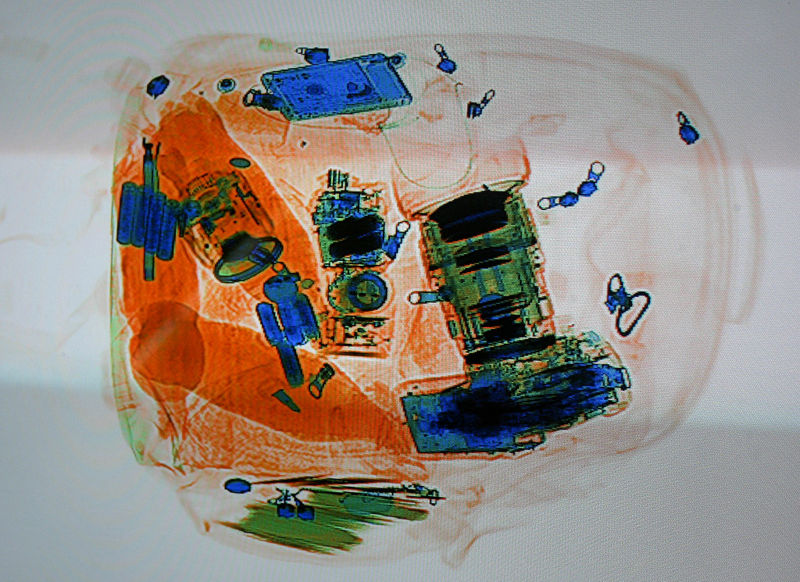
We’re travelling all over the place, our bags are being checked, scanned, thrown around and left alone in hotel rooms. It’s easier than you think to lose a $600 watch, trust me as I did just that.
Thailand is safe enough that you don’t need to be paranoid, but it’s not so safe that you can leave your laptop on a beach chair and expect it to be there when you get back from swimming. Theft happens here – pickpocketing, bag snatching, hotel room theft, and the occasional bus scam. Most of it is preventable if you’re not careless.
We travel with a lot of stuff. Laptops, phones, cameras, passports, cash, dive gear. Between us that’s easily 150,000+ baht (~$4,500 USD) worth of electronics in one carry-on bag at any given time. Losing any of it would ruin a trip. Here’s how we keep it all safe, and what to do if something does go missing.
The time I lost a 14,000 baht dive watch
Before I get into the advice, a quick story about why I take this seriously. I was checking out of a hotel the morning after a late night. The night before, I’d hidden my scuba diving computer (basically an expensive dive watch) inside my pillowcase.
Great hiding spot. So great that I completely forgot about it the next morning when I rushed to catch my boat.
By the time I realized, I was already on the water. Called the hotel – they’d “never seen such a watch.” Getting help from Thai police to recover a watch from a hotel pillowcase is about as likely as finding an honest tuk-tuk driver at the Grand Palace. That watch was gone.
That experience forced me to create a system, which I’ll explain below. I haven’t lost anything since.
Where theft actually happens in Thailand
Bangkok was ranked the number one city in the world for pickpocketing, and the Grand Palace was called the single worst tourist attraction globally for theft. That’s not us being dramatic – that’s the data. Here’s where you need to be most careful:
Grand Palace area, Bangkok – organized pickpocket teams work here daily. One person distracts you (bumps into you, spills something on your shirt, tells you the temple is closed) while another lifts your phone or wallet. Keep everything zipped and in front of you.
Khaosan Road, Bangkok – pickpocketing capital of Bangkok after dark. The surrounding streets are also where motorbike bag snatching happens. Two guys on a motorbike, the passenger grabs your bag or phone as they speed past. It happens to Thai locals too, not just tourists.
Full Moon Party, Koh Phangan – this one is bad. Organized theft gangs specifically target the parties. Drunk people, dark beach, loud music, huge crowds – it’s a pickpocket’s dream. We’ve heard enough stories to say: leave your passport, cards, and anything expensive at your hotel. Bring only the cash you need in a waterproof neck pouch (sold everywhere on Koh Phangan for 50-100 baht). If you wouldn’t be ok losing it, don’t bring it.
Chatuchak Weekend Market, Bangkok – 15,000+ stalls and massive crowds. Perfect environment for someone to unzip your bag without you noticing.
Long-distance buses – a well-known and persistent problem, especially on overnight tourist buses booked through Khaosan Road agencies. Someone hides in the luggage compartment and goes through bags during the journey. In 2025, a bus driver was arrested for stealing 280,000 baht from a Romanian tourist’s card.
Book through reputable companies, and never put valuables in checked luggage underneath the bus. For more on this and other common scams in Thailand, check our full guide.
Patong Beach and Bangla Road, Phuket – nightlife pickpocketing on Bangla Road, beach theft from unattended bags during the day, motorbike snatching on side streets.
Lower risk areas include Chiang Mai old city, smaller islands like Koh Lanta and Koh Chang, and resort compounds. You should still take precautions, but the risk of opportunistic theft is much lower.
The inventory list system
After losing that dive watch, I created a checklist on my phone of every valuable item I’m carrying. Laptop, phone, camera, passport, wallet, hard drives – everything that matters. Every time I check out of a hotel or leave somewhere, I run through the list and physically verify each item is in my bag.
It sounds basic. It is basic. But it’s the single reason I haven’t lost anything since. Most losses aren’t theft – they’re forgetfulness. You leave your charger plugged in, your sunglasses on the nightstand, your passport in the safe. The list catches all of it.
Keep the list synced between your phone and laptop so you have it even if one device goes missing.
Keeping things safe in your hotel room
Here’s the honest truth about hotel safes: every single one has a master override. A master code, a physical key, or an electronic bypass that lets staff open it. That’s how hotels handle it when guests forget their codes. It also means your safe isn’t truly locked from everyone.
That said, a hotel safe is still much better than leaving things loose in the room. The override exists for emergencies, and in decent hotels (3-star and up), only management has access. The safe stops opportunistic theft from housekeeping or anyone else who enters your room.
It doesn’t stop a determined insider, but that’s rare.
A few things we’ve learned:
- Use the safe for passport, backup cards, and extra cash. It’s the best option you have in the room.
- Take a photo of your safe contents before closing it. If something goes missing, you have proof of what was inside.
- Don’t put everything in one place. Split your cash and cards between the safe, your wallet, and a hidden stash (money belt or inside a toiletry bag). If the safe gets cleaned out, you’re not completely broke.
- Front desk safes are more secure than room safes. Access is witnessed by multiple staff, which makes internal theft much harder. Use the front desk safe for your passport if the option is there.
- Budget hotels and hostels are riskier. Safes might be cheap portable boxes that could be carried out of the room. Staff turnover is higher. If there’s no safe, a padlock and chain on a wardrobe handle works. We always travel with a small padlock for this reason.
If the room has absolutely nothing to work with – no safe, no lockable wardrobe, just a bed and a door – get creative. Stick your passport behind a picture frame. Put a bank card under the TV stand. Hang a small bag on a hook and cover it with a wet towel.
You’re not trying to outsmart a professional thief. You’re removing the opportunity for someone to walk in, see something valuable, and pocket it.
Anti-theft gear that actually works
There’s a lot of anti-theft products marketed at travelers. Some of it works. Some of it is solving problems that don’t really exist. Here’s what we’d actually spend money on (prices as of 2026):
A crossbody anti-theft bag – Pacsafe makes the best ones. The Vibe 150 ($60-80 USD) has slash-resistant fabric, lockable zippers, and a wire-reinforced strap that can’t be cut by motorbike snatchers. It’s the single best purchase you can make for keeping your stuff safe in crowded areas. Wear it across your body with the bag in front of you.
A hidden money belt – the flat kind you wear under your clothes, not a fanny pack. About $15-25. Put your emergency cash (a few thousand baht) and a backup bank card in it. You’ll probably never need it, but if your bag gets stolen, you’re not stranded. Get one with a plastic buckle so it doesn’t set off metal detectors at airports.
A waterproof neck pouch – you can buy these everywhere in Thailand for 50-150 baht. Essential for beaches, island hopping, and Full Moon Parties. Keeps your phone, cash, and room key on your body and dry.
AirTags – can help locate a missing bag, but Find My’s location can be approximate or unavailable. Don’t count on an exact, live position everywhere in Thailand or guaranteed recovery. If you suspect theft, ask the police for help rather than following a map pin yourself.
A portable safe – the AquaVault FlexSafe ($50-60 USD) is worth it if you’re doing a lot of beaches or staying in hostels without safes. It’s a slash-resistant pouch that locks to beach chairs, hostel beds, or bike frames with a combination lock. Folds flat for packing.
What you don’t need: RFID-blocking wallets. This is marketing, not security. Contactless card skimming is a theoretical lab exercise, not a real-world crime. Modern cards use encryption and one-time codes – even if someone did intercept the signal (which requires being centimeters away from your card), the data can’t be reused. Don’t waste money on this.
For more gear recommendations, check our packing essentials and things to buy before your trip guides.
Digital security (the risk most people ignore)
Public WiFi deserves some care, but HTTPS encrypts your connection to a website. Check that the site is genuine as well as using HTTPS: scammers can have encrypted websites too. Keep your devices updated and protect your accounts rather than assuming every other person on the network can read your banking details.
A VPN protects traffic routed through its tunnel, not against every threat to your device or accounts. You’re also trusting the VPN provider. We use NordVPN – check our full guide to the best VPN for Thailand for our recommendation plus a free option.
A few more things to do before you leave home:
- Use mobile data if you don’t trust a WiFi network. It doesn’t replace checking that the banking site is genuine, keeping your device updated and protecting your account.
- Choose an ATM in a secure, well-lit location. Bangkok Bank recommends shielding your PIN and checking for suspicious fittings. Don’t use a machine that looks tampered with, even at a bank branch.
- Set up device finding before you leave home. Check Apple Find My or Google Find Hub and their account, device and connection requirements. Location and remote actions aren’t guaranteed. Erasing can permanently delete data; Apple and Android handle tracking after erasure differently, so follow the guidance for your device.
- Turn on two-factor authentication for your email, banking, and social media before the trip. It adds protection if your password is stolen, but some methods can still be phished. Never share verification codes or approve sign-in requests you didn’t make.
- Back up your phone to the cloud. Check that the backup has completed and what it includes, following Apple’s or Google’s guidance. Not every app or file is necessarily covered; make sure you can recover access without the missing phone.
If something gets stolen
First things first: get somewhere safe. For immediate danger call the police on 191; for a medical emergency call 1669. The Tourist Police number is 1155. If cards or a phone are stolen, contact the card issuer or mobile provider promptly too; don’t wait for insurance paperwork before protecting your accounts.
Save 1155 in your phone now – also save the regular emergency number 191 and check our emergency numbers page for the full list.
Report the theft to the local police promptly and ask for a report. If you’re unsure where to go, ask the Tourist Police which station can handle it and what identification or other documents to bring. Have descriptions, photos and other evidence ready, and explain if your identification was stolen too. Ask for help if you don’t understand the report. Be patient.
For a travel insurance claim, contact your insurer as soon as possible and check your policy’s reporting deadlines and required evidence. Don’t assume every policy uses a 24-hour deadline or that a police report guarantees payment. Keep the report and all receipts, including replacement purchases and any passport-replacement costs. Ask your insurer about the next steps and timing for your claim.
One thing to know about insurance: check the per-item and total limits, electronics cover, excess and unattended-property exclusions in your own policy. If you’re traveling with expensive gear, ask your insurer about any extra cover you need before leaving; don’t assume an add-on is available or covers every situation. Keep receipts or other ownership/value evidence alongside photos and serial numbers.
Quick rules to live by
- Keep all valuables in one carry-on bag. It never goes under a bus, in a taxi boot, or through checked baggage. It rides with you.
- Run your inventory checklist every time you leave somewhere. Phone, laptop, passport, wallet, camera – physically check each one.
- Don’t be flash. Keep your watch and jewelry out of sight in crowded areas. Expensive camera around your neck in a market is asking for attention.
- Split your money and cards. Some in the safe, some on you, some hidden. Never put all your eggs in one pillowcase.
- Carry your bag in front in crowds. Especially at markets, on the BTS, and around tourist sites.
- Walk on the inside of sidewalks. Away from the road, away from motorbike snatchers.
- Never hand your passport to a motorbike rental shop. Leave a photocopy or a cash deposit. If they insist on the original, find another shop. If they have your passport and there’s a dispute, you have zero leverage.
- Keep one bank card and emergency cash separate from everything else. If someone cleans you out, you need to be able to eat, pay for your hotel, and get help.
Thailand isn’t dangerous. We’ve lived and traveled here for years and the worst that’s happened is that dive watch. But theft is opportunistic – it happens when you make it easy. Don’t make it easy, and you’ll be fine. For more on staying safe, read our beginner tips and our guide to avoiding scams in Thailand.
Frequently asked questions
Is it safe to leave valuables in a Thai hotel room?
Use the room safe if there is one – it’s better than leaving things loose. But know that all hotel safes have master overrides that staff can access. Front desk safes are more secure because access is witnessed by multiple people. Mid-range and above hotels are generally trustworthy. Budget hotels and hostels, take extra precautions.
What should I do if my passport is stolen in Thailand?
Call the Tourist Police (1155) immediately, file a police report at the local station, then contact your embassy for an emergency travel document. Keep a photocopy of your passport separately – Thai police will accept it for most interactions, and it speeds up the replacement process at your embassy.
Are pickpockets common in Thailand?
In tourist areas, yes. Bangkok was ranked the world’s number one city for pickpocketing, with the Grand Palace called the worst tourist attraction globally for theft. Crowded markets, public transport, and nightlife areas are highest risk. Use a crossbody bag with lockable zippers and keep it in front of you.
Should I carry my passport with me in Thailand?
Thai law technically requires you to carry ID, but in practice, police accept a photocopy or a photo on your phone. Keep the original in your hotel safe and carry a copy. The only times you’ll need the original are at the airport, when checking into hotels, and when dealing with immigration.
Do I need RFID-blocking products for Thailand?
No. Contactless card skimming is a theoretical risk that doesn’t happen in practice. Modern cards use encryption and one-time codes that make intercepted data useless. Save your money for a proper anti-theft bag like a Pacsafe, which solves real problems like slash-and-grab theft.