Do you need travel insurance for Thailand?
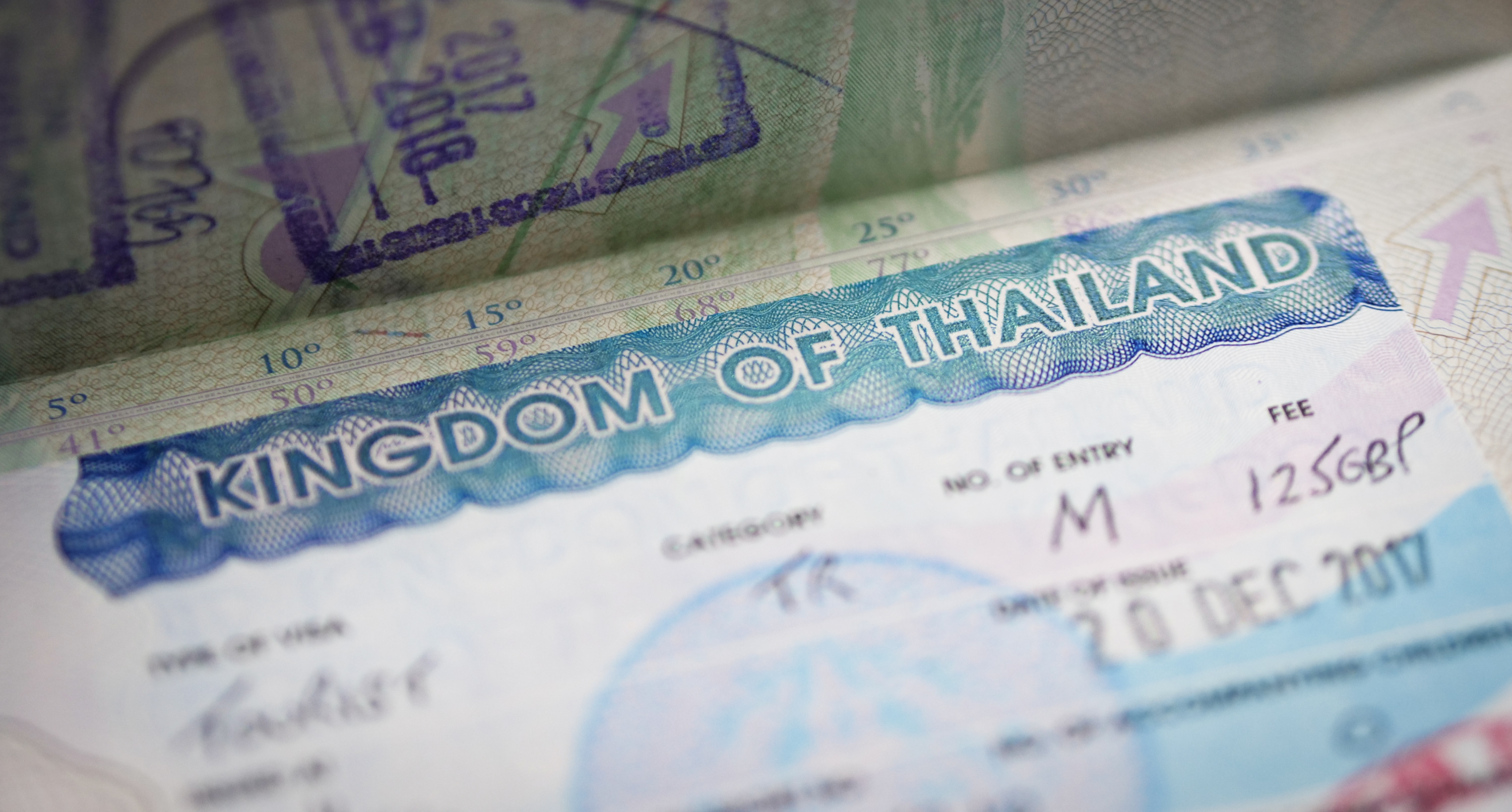
After many frustrating entry requirements, compulsory insurance, PCR/ATK tests, the “sandbox” program, and the “Thailand Pass” scheme, we’re finally getting back to normal.
Travel insurance isn’t required to enter Thailand, and honestly, most people who visit never end up using it. But the ones who do need it? They really need it.
We’ve been living in and traveling around Thailand for over 15 years. In that time, we’ve met dozens of people who were saved from massive medical bills by having insurance, and a few who weren’t so lucky. One friend owes his life to travel insurance – a motorbike accident in rural Isaan and an emergency evacuation to Bangkok that his policy covered.
If you just want to know where to go, we recommend SafetyWing because their pricing is competitive and they’re upfront about what’s covered and what isn’t. Their basic (Essential) policy includes motorbike coverage up to 50cc, and their Complete plan covers up to 125cc. Motorbike coverage of any kind can be surprisingly hard to find with other providers.
Important: SafetyWing advertises itself as “Nomad Insurance” for digital nomads and remote workers. They work on a monthly subscription by default, but if you have a trip with start and end dates, just tick the “specific travel dates” box and you’re buying traditional travel insurance.
Get a quote
Get a quote here, or keep reading to find out why we recommend SafetyWing and the details on motorbike, adventure sports, and Muay Thai coverage.
Why you need it
You probably won’t use it. Most people don’t. But here’s what can happen without it:
A motorbike accident – the single most common reason foreigners end up in Thai hospitals. Road rash and stitches might only be 10,000-50,000 baht (~~$300-$1,500), but a broken bone requiring surgery (plates, screws) runs 80,000-300,000 baht (~~$2,200-$8,400). A serious multi-injury accident with ICU time? Easily 350,000-1,500,000+ baht ($10,000-$50,000+). ICU alone costs 25,000-80,000 baht per night.
Medical evacuation – if you’re on an island or in a rural area and need to be airlifted to Bangkok, you’re looking at serious money. International medical evacuation back to your home country typically costs $50,000-$150,000 depending on your condition and where you are.
Private hospitals are businesses. They’ll stabilize you in a life-threatening emergency, but anything beyond that requires proof of insurance or payment ability. Without it, you may get transferred to a government hospital. Government hospitals are fine – the doctors are often excellent – but the experience is very different.
Thousands of uninsured tourists turn to GoFundMe every year to cover their medical bills. It’s easily avoided.
What coverage you actually need
Travel insurance can cover a lot of things, but the two that actually matter are:
- Medical emergencies – hospital stays, surgery, doctor visits
- Medical evacuation – getting you to a better hospital or back home
Everything else – trip cancellation, lost bags, flight delays – is nice to have but not essential. If your credit card already covers those (many do), you can focus on medical coverage only and save some money.
Tip: Americans: Check if your credit card already provides trip cancellation and lost baggage coverage. Many premium cards like the Chase Sapphire Reserve do. See our guide to the best credit card for Americans abroad for more details.
Our recommendation: SafetyWing
We’ve spent more hours than we’d like to admit comparing travel insurance providers and SafetyWing is what we keep coming back to. Here’s why:
- Motorbike coverage included in the basic plan (this is rare – most providers exclude it or bury exclusions in the fine print)
- Clear about exclusions – they actually tell you what’s not covered instead of making you dig through a 40-page policy document
- Competitive pricing – comparable or cheaper than most alternatives
- Flexible – buy by the month or for specific travel dates
- 30-day money-back guarantee if you’re not happy
Motorbikes and adventure sports
This is where most travel insurance policies fall apart in Thailand. You rent a scooter (which almost everyone does), you have an accident, and then you find out your policy doesn’t cover motorbikes. Or it does, but only if you have a valid motorcycle license from your home country plus an international driving permit.
SafetyWing covers motorbikes, but there are conditions. The Essential plan covers scooters up to 50cc, while the Complete plan covers up to 125cc (the most common rental size in Thailand). Either way, you need:
- You need a valid motorcycle license from your home country and an international driving permit (or a Thai motorcycle license)
- You must be wearing a helmet
- You must not be intoxicated
- You must be following local traffic laws
For adventure activities like Muay Thai, cave diving, dirt bikes, ATVs, kitesurfing, and whitewater rafting, you’ll need to add the adventure sports coverage – currently around $10 per month for travelers under 40.
Want to shop around?
If you want to compare policies from different providers, we like SquareMouth. One provider worth knowing about is Genki Traveler – they’re the only major insurer we know of that covers motorbike accidents up to 125cc without requiring a motorcycle license. We’re not recommending you ride without a license (it’s illegal and your coverage for other things could be affected), but if you’re being realistic about the fact that most tourists do ride unlicensed, it’s worth knowing about. It aggregates plans from dozens of providers and lets you filter by coverage type – including adventure activities and motorbike coverage. Just be more careful reading the fine print with these policies compared to SafetyWing.
You probably already have some coverage
Before you buy anything, check what you already have:
- Home country health insurance – some policies provide international coverage. Call and ask.
- Credit cards – many premium cards include travel insurance when you book travel with the card. Usually covers trip cancellation and lost bags, sometimes medical.
- Home or renters insurance – may cover your belongings while traveling.
Even if you have partial coverage through these, you’ll probably still want dedicated medical coverage for Thailand. The motorbike risk alone makes it worth it.
The upcoming 300 baht entry fee
Thailand has approved a 300 baht (~$9) entry fee for air arrivals (150 baht for land/sea) that’s been delayed multiple times. As of March 2026 it hasn’t started yet, but it’s expected sometime in 2026. Of that fee, 70 baht will go toward basic accident/medical insurance for all tourists. Details on what that coverage actually includes haven’t been published yet, and we wouldn’t count on it replacing proper travel insurance – but we’ll update this page when we know more.
Just get it
Insurance is one of those things where the upside is boring and the downside without it is catastrophic. It’s not expensive. Think of it as part of your trip budget, no different than your flight or hotels. You pay for it, forget about it, and if something goes wrong you’ll be very glad it’s there. If nothing goes wrong, you’ve lost a few dollars and gained peace of mind.
Important: All insurance providers will sometimes try to weasel out of paying a claim. We can’t take responsibility for everything in this guide being 100% accurate all the time – the only thing that’s legally binding is the policy contract. Read through any policy before buying. Buying from a reputable insurer helps, and SquareMouth shows provider ratings on their search page which we find useful.