Drone laws in Thailand - rules, no-fly zones, and penalties
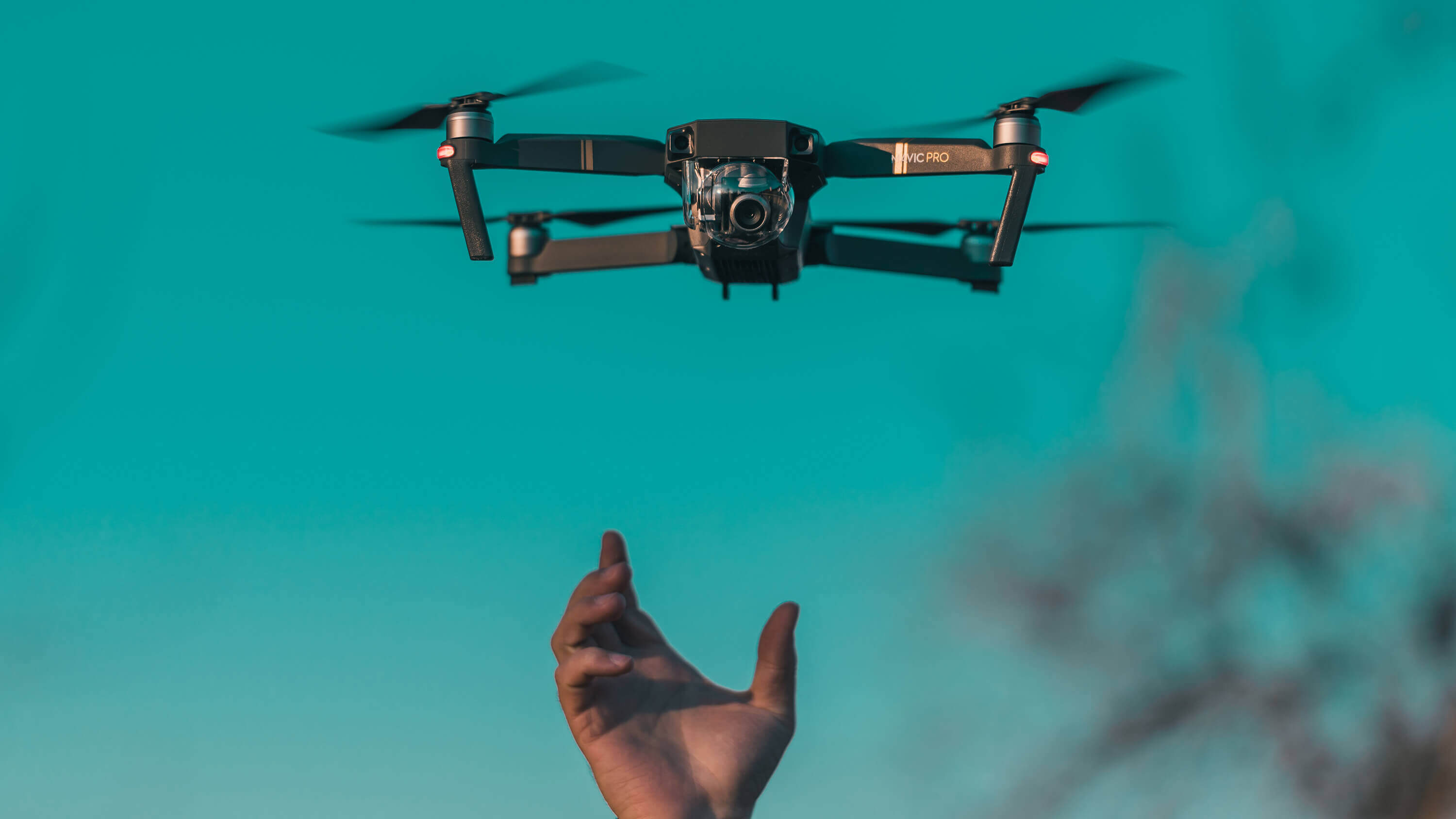
Everything you need to know about flying drones in Thailand, including the law and where to buy drones.
Flying a drone in Thailand is legal, but the rules are strict and getting stricter. You need to register with two separate government agencies, pass a pilot test, buy insurance, and submit flight plans in advance. Ignore any of that and you’re looking at fines up to 100,000 baht and potentially prison time.
We fly drones here regularly and the process is annoying but doable. This guide covers the rules, where you can and can’t fly, what happens if you get caught breaking the rules, and how to bring your drone into the country. For the actual step-by-step registration process, check our separate guide to registering your drone in Thailand.
Registration requirements (the short version)
Every drone with a camera must be registered with both the NBTC (National Broadcasting and Telecommunications Commission) and CAAT (Civil Aviation Authority of Thailand). Yes, even the little ones. Even a DJI Mini. If it has a camera, you register it.
Since January 2025, you can’t register before arriving in Thailand - you need a Thai phone number and your arrival stamp. NBTC registration costs about 200 baht and can be done in person in 15 minutes. CAAT registration is free and includes a 40-question pilot test you need to score 75% on. It used to take up to 14 days, but basic registration is now issued automatically once you’ve completed everything on the UAS Portal.
You also need third-party liability insurance with minimum 1,000,000 baht coverage. Thai providers sell policies from 499-799 baht.
The full walkthrough of this process, including documents, offices, and tips for getting it done faster, is in our drone registration guide.
Flying rules
These apply to all recreational drones under 25kg (which covers every consumer drone on the market):
- Maximum altitude: 90 meters (295 feet) above ground
- Line of sight: you must be able to see your drone at all times. No flying behind buildings, mountains, or beyond visual range. FPV goggles alone don’t count.
- Flying hours: sunrise to sunset only. No night flying.
- Distance from people: minimum 30 meters horizontally from people, vehicles, buildings, or other structures (50 meters if your drone weighs over 2kg)
- Distance from airports: no flying within 9 km (5 nautical miles) of any airport or airstrip
- Minimum age: 18 years old (20 if your drone weighs over 2kg)
- Flight permission: since June 2026 you need permission through the CAAT UAS Portal before every flight, and sending the request isn’t the same as getting it
- No flying over crowds: cities, villages, markets, events, or anywhere people are gathered
- Privacy: don’t fly over people’s property or record them without consent
Most of this is common sense. The pilot test and getting flight permission are the parts that trip people up.
No-fly zones
This is where it gets complicated. Thailand has a lot of restricted airspace, and some of it isn’t obvious.
Airports: 9 km radius around every airport and airstrip. Bangkok is practically unflyable because of Suvarnabhumi and Don Mueang and a separate restricted zone over the city itself (VT R1).
Royal palaces: Strictly off-limits. The Grand Palace in Bangkok and all royal residences are permanent no-drone zones. Don’t even think about it.
National parks: Drones are effectively banned in all Thai national parks without written permission. You can request permission at the park office, but they almost never grant it for recreational flying. Parks like Doi Inthanon, Khao Sok, Erawan, and the Similan Islands are all protected.
Flying without authorization means confiscation and fines up to 100,000 baht. Phi Phi is explicitly named as a no-fly zone.
Border provinces: Since 26 June 2026, drones have been banned in specific districts of seven provinces near the Cambodian border - Sa Kaeo, Buri Ram, Si Sa Ket, Surin, Ubon Ratchathani, Chanthaburi and Trat. It’s not the whole province, so check the district list before you fly anywhere near the border. The ban started during the Thai-Cambodian border tensions in mid-2025 and has no announced end date.
Military and government areas: Military bases, government buildings, Government House, Parliament, police stations, and hospitals are all restricted.
Temples: No blanket law, but many temples prohibit drones and they fall under the “30 or 50 meters from structures/people” rule anyway. Historical sites like Ayutthaya require special approval.
The CAAT UAS Portal app has a map showing restricted and permitted zones. Check it before every flight.
Penalties and enforcement
Thailand takes drone violations seriously, and enforcement has increased since 2025. Here’s what you’re looking at:
- No CAAT registration: up to 40,000 baht fine and/or 1 year in prison
- No NBTC registration: up to 100,000 baht fine and/or 5 years in prison
- Flying in restricted areas: on-the-spot fines, drone confiscation
- Serious violations (foreigners): deportation and immigration blacklisting
These aren’t theoretical. In August 2025, a Singaporean photographer was arrested in Pattaya at 12:20am for flying his drone over Walking Street during a nationwide ban. His drone, controller, batteries, FPV goggles, and bag were all confiscated. A Swedish tourist was caught flying near a Pattaya beach a few days earlier. In December 2025, authorities seized approximately 2,500 drones after suspicious flights near an airport.
The nationwide ban during the Thai-Cambodian border crisis (July 30 to August 15, 2025) saw multiple tourist arrests. The message is clear: they enforce this, especially during heightened security periods.
Where you can actually fly
After reading all those restrictions, you might wonder if there’s anywhere left. There is - you just need to plan ahead.
Rural areas and open fields away from airports, national parks, and restricted zones are generally fine. Rice paddies in Isaan (outside the banned border districts), countryside around Kanchanaburi, and rural Chiang Mai province are all good options.
Beaches outside national parks work well. Railay Beach in Krabi, Khao Lak’s beaches, and smaller coastal areas that aren’t within national park boundaries are popular spots. Many island beaches are inside national park zones though (the Similan Islands, most of Phi Phi, parts of Koh Lipe), so check before you fly.
Private property with the owner’s permission is fine as long as you’re not within airport or palace restricted zones.
Always check the CAAT UAS Portal map before flying anywhere new. And remember: even in permitted areas, you still need flight permission through the app before every flight.
Bringing your drone into Thailand
You won’t have any problems at customs bringing a drone in for personal use. There have been scattered reports of officials asking about import duty on sealed, brand-new products, but it’s rare.
Your drone should go in your cabin baggage, and spare batteries must - they’re not allowed in checked luggage, even if your bag gets checked at the gate. Rapidly changing air pressure and temperature can make lithium polymer batteries unstable. IATA battery rules:
- Below 100Wh: up to 20 spare batteries per passenger under CAAT’s rules (covers most consumer drones - DJI Mini, Mavic, Air series)
- 100-160Wh: airline approval needed, and limited to 2 spare batteries per passenger
- Above 160Wh: not allowed on passenger aircraft
Store batteries in LiPo-safe bags and separate them in different compartments. It’s not enforced at every checkpoint, but it’s genuinely good safety practice.
Buying a drone in Thailand
DJI Bangkok (djibangkok.com) and Phantom Thailand (phantomthailand.com) are the official distributors. You’ll also find drones at tech malls like Fortune Town and Pantip Plaza in Bangkok. Prices are typically 10-20% higher than the US or Australia.
The upside of buying in Thailand: you can claim a 7% VAT refund at the airport if you spend at least 2,000 baht per store per day (show your passport and ask the shop for the P.P.10 form when you pay). That closes most of the price gap. Some resellers will also negotiate a small discount for cash payment.
Frequently asked questions
Can tourists fly drones in Thailand?
Yes, but you must follow the same registration process as everyone else. Register with both NBTC and CAAT, buy insurance, and get flight permission before you fly. There is no tourist exemption. The catch: you can’t register until you’ve arrived in Thailand, which is a problem for short trips.
Registration services (1,498-3,000 baht) can speed this up.
Do I need to register a DJI Mini in Thailand?
Yes. Even though it’s under 250g, it has a camera, which means both NBTC and CAAT registration are required. Every drone with a camera must be registered regardless of weight.
Can I fly a drone in Thai national parks?
Not without written permission from the park, which is almost never granted for recreational flying. Most national parks effectively ban drones. Getting caught means confiscation and fines up to 100,000 baht.
Can I fly a drone in Bangkok?
Practically no. The 9 km airport zones around Suvarnabhumi and Don Mueang and the restricted zone over the city (VT R1), combined with royal palaces, government buildings, and the dense population (30-meter rule), leave almost nowhere legal to fly within the city.
What’s the fine for flying an unregistered drone in Thailand?
Up to 40,000 baht and/or 1 year prison for no CAAT registration. Up to 100,000 baht and/or 5 years for no NBTC registration. Foreigners also risk deportation and being blacklisted from re-entering Thailand.
Have fun flying, but do it legally. The registration process is a hassle, but the landscapes here are worth it - and the fines definitely aren’t. For the full step-by-step registration guide, head to our drone registration walkthrough. And for more general tips on navigating Thailand’s rules, check our beginner tips guide.