Bed bugs in Thailand - how to avoid them and what to do if you get bitten
Bed bugs exist in Thailand, but it’s not really as big of a deal as you’d think if you’ve been scrolling through Reddit - they do exist though, and it’s worth knowing what to do prior to encountering them.
We’ve stayed in hundreds of places across Thailand over the years, from 200 baht dorm beds on Khao San Road to fancy resorts in Krabi, and we’ve never had bed bugs ourselves. But we know a few people who have, and it’s always a similar story - never had them before, then stayed in a place that looked perfectly clean, then waking up covered in bites.
Bed bugs in Thailand are easy to avoid if you know what to look for, and easy to deal with if you don’t catch them in time. They don’t carry diseases, they won’t follow you home (if you handle it right), and everything you need to get rid of them is available at the nearest 7-Eleven.
How to check your room for bed bugs
It takes two minutes and will save you just a massive headache and time sink. We do the following things every time we check in to a new hotel.
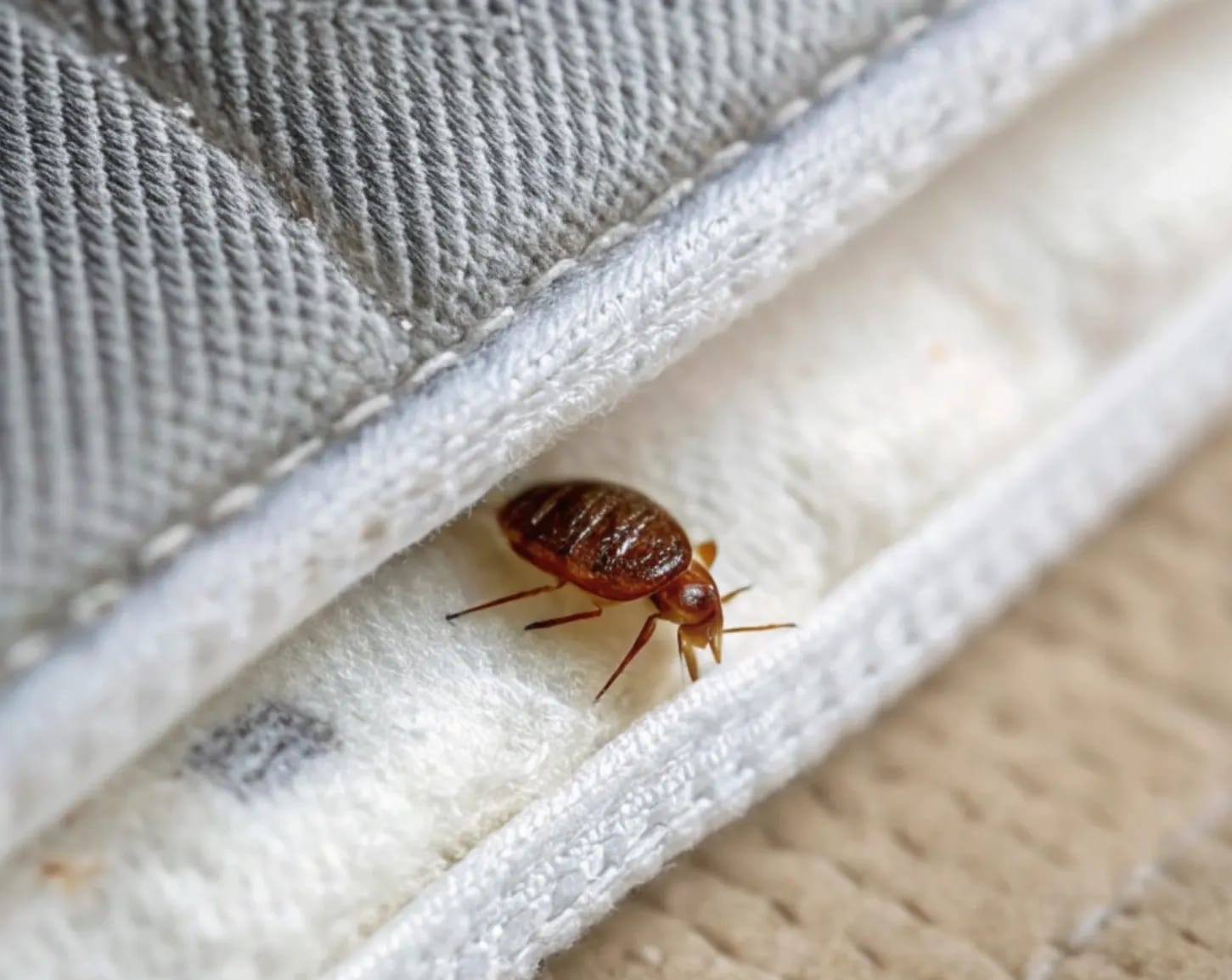
Pull back the sheets. Look at the mattress seams and corners. You’re looking for tiny dark spots - reddish-brown or black. That’s dried blood and faeces. Live bed bugs are about the size of an apple seed and reddish-brown, but you’re more likely to spot their droppings than the bugs themselves (they hide during the day and haunt people at night!).
Check behind the headboard. If it’s not bolted to the wall, pull it forward and look behind it. Bed bugs love hiding in cracks and joints of wooden furniture.
Look at the pillow seams. Flip the pillows over, check the zippers and edges.
Smell the room. A heavy bed bug infestation has a sweet, musty smell - kinda like coriander that’s gone off. If the room smells weird, trust your nose.
Tip: If you’re really paranoid, keep your bags in the bathtub until you’ve checked the bed, or at least keep everything on a smooth uncarpeted surface like a tiled floor. Never put your backpack on the bed or on upholstered furniture.
Where bed bugs show up most in Thailand
Not all accommodation carries the same risk.
- Budget hostels and guesthouses (under 500 baht) - highest risk, especially in backpacker hubs like Khao San Road, Pai, and the islands. Cheaper places use cheaper pest control, and the high turnover of guests means bugs travel fast.
- Mid-range hotels (500-2,000 baht) - lower risk. These places have reputations to protect and usually contract professional pest control.
- Resorts and high-end hotels (2,000+ baht) - very rare. Not impossible, but we’ve never heard a first-hand account from anyone we know.
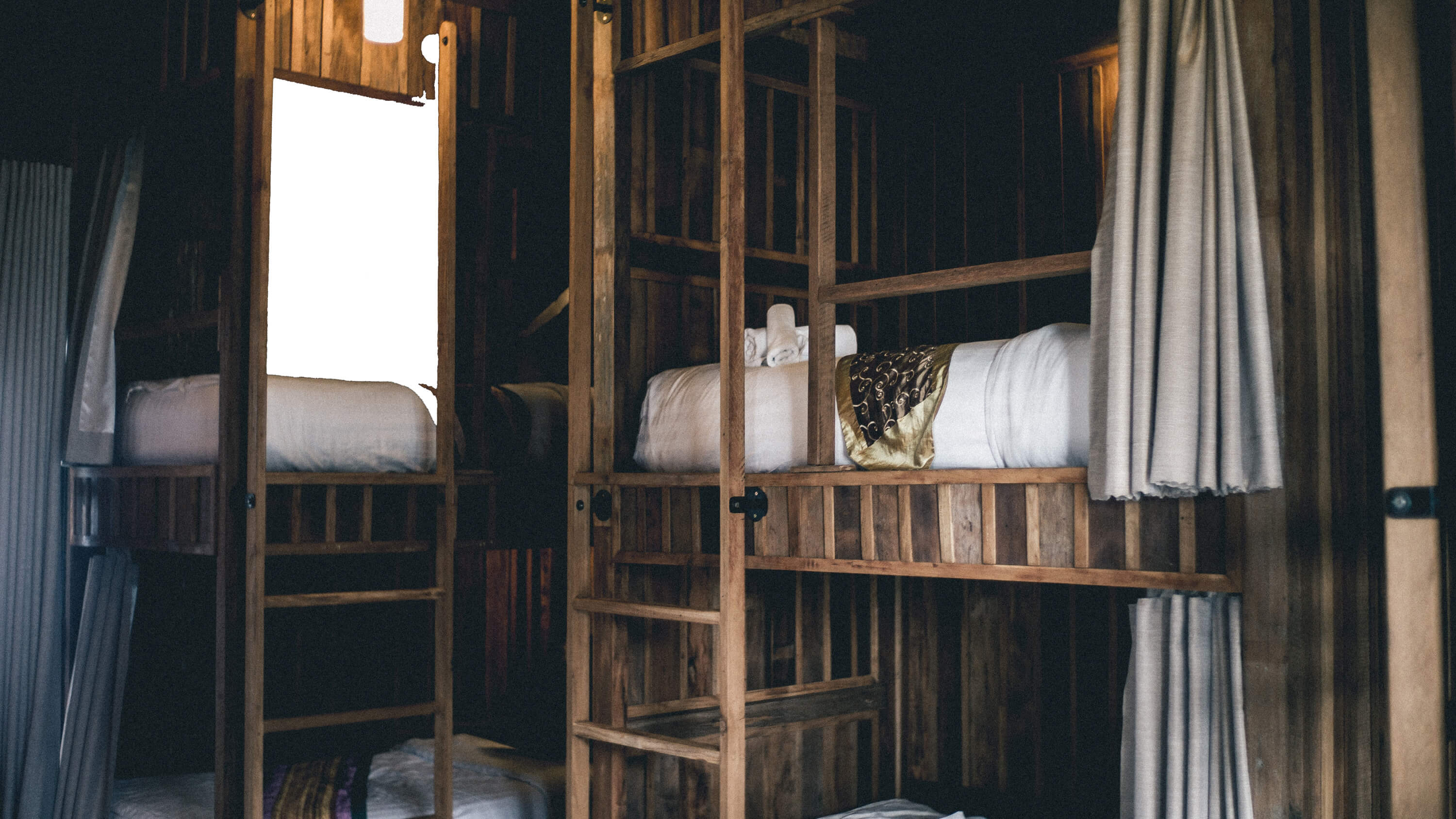
- Bamboo bungalows and beach huts - surprisingly risky. The natural materials give bed bugs more places to hide, and these structures are harder to treat.
Before you book anywhere, search the accommodation name plus “bed bugs” in recent reviews on Booking.com or Google Maps. Look at reviews from the last six months specifically - a bed bug complaint from three years ago doesn’t mean much if the place has been treated since then.
In general, good reviews above 8/10 has worked well for us on all fronts - including bed bugs.
How to spot bed bug bites
Bed bug bites don’t always show up right away. Some people react within hours, some don’t see marks for two or three day. A small percentage of people don’t react at all (lucky them).
Here’s what to look for:
- A burning or itching sensation before the marks appear - often the first sign.
- Red, raised bumps in lines or clusters - bed bugs bite multiple times, so the marks often appear in rows of three or four (sometimes called “breakfast, lunch, and dinner”).
- Bites on exposed skin - face, neck, arms, hands, feet. Bed bugs bite at night and go for whatever skin isn’t covered by sheets or clothing.
The itching is intense. Way worse than mosquito bites. If you wake up with a line of red bumps and you’re scratching like mad, it’s probably bed bugs.
Don’t confuse them with mosquito bites (random placement, single bumps) or heat rash (small bumps over a large area, usually on your chest or back).
What to buy in Thailand if you get bed bugs
Everything you need is available locally.
For the bites:
- Antihistamine tablets - any pharmacy (ร้านขายยา). Ask for cetirizine or loratadine. About 20-50 baht (~$0.60-$1.50 USD) for a strip of 10. These reduce the itching from the inside.
- Hydrocortisone cream (1%) - available over the counter at Thai pharmacies, 40-80 baht (~$1.20-$2.30 USD). Apply directly to bites.
- Tiger Balm - not a medical treatment, but the cooling sensation helps with the itching. Available at every 7-Eleven for about 50 baht (~$1.50 USD). We always carry it anyway for mosquito bites and headaches (we recommend it in our packing essentials guide).
- Calamine lotion - pharmacies stock it, around 35-60 baht (~$1-$1.75 USD). Good old-fashioned itch relief.
For killing the bugs in your stuff:
- Chaindrite spray (ไชน์ไดร้ท์) - the blue can, available at 7-Eleven and Family Mart, 65-89 baht (~$2-$2.60 USD). A general insecticide that kills bugs on contact. Spray it inside plastic bags with your clothes, seal the bags, and leave them for a few hours. Not a perfect solution (bed bugs have been developing resistance to common pesticides) but it’s useful in a pinch when you can’t access a hot wash.
- Permethrin-based spray - stronger option, available at HomePro, Big C, or Lotus’s. Around 120-180 baht (~$3.50-$5.20 USD). More effective than Chaindrite but heat treatment is still better if you have the option.
Warning: Do not spray insecticide directly on your skin or on clothes you’re about to wear. Seal treated items in plastic bags and air them out before wearing.
What actually kills bed bugs (and what doesn’t)
Mark Rober did a great video on this with a bed bug researcher from Rutgers University, and the findings are worth knowing. The short version: heat kills bed bugs, and almost everything else people recommend is useless.
What works:
- Heat above 50°C (122°F) - kills bed bugs if you keep it up long enough. They can’t build immunity to heat the way they can to chemicals. A clothes dryer on high heat or a steam cleaner both work, and a hot wash helps.
- Diatomaceous earth - a fine powder that dehydrates and kills them. Apply a light dusting in cracks and seams. Don’t pile it on - too much and they’ll just walk around it. Use one sold for pest control, not pool-grade powder, which is bad for your lungs.
What doesn’t work:
- Ultrasonic repellent devices (total scam)
- Fabric softener sheets
- Mothballs
- Baking soda
- Essential oils (lavender, tea tree, all of them)
Pesticide sprays like Chaindrite will kill bugs on contact, but bed bugs have been building resistance to common insecticides for years. Heat is the one thing they can’t adapt to.
How to get rid of bed bugs from your clothes and bags
This is the most important step. If you don’t deal with your belongings properly, you’ll carry the bugs to your next hotel and start the cycle again.
Wash everything at 60°C or higher, then dry it on high heat. The hot wash helps, but it’s the dryer that reliably kills bed bugs and their eggs. A normal cold wash won’t do it. Most laundromats in Thailand have hot wash options - tell the staff you need a hot wash. The Thai phrase is “sak nam ron” (ซักน้ำร้อน). If you can’t wash something, throw it in a dryer on the highest heat setting for 30 minutes - that alone will kill them.
Bag and spray anything you can’t wash. Electronics, books, shoes - put them in plastic bags (the big ones from 7-Eleven work fine), spray Chaindrite or permethrin inside, seal the bags well, and leave them for at least four hours. Overnight is better.
Your backpack needs treatment. If bed bugs got into your clothes, they’re in your bag. If you can’t wash it in hot water, spray the inside thoroughly and seal it in a large bin liner overnight.
Throw away anything you’re not sure about. If you can’t wash it or treat it, throw it away. Every item must be dealt with to remove bed bugs completely.
What to tell your hotel
Tell reception straight away. Take photos of any evidence (the bites, the spots on the mattress) before you do anything else. Be kind and don’t just immediately leave a bad review, they may not know, and the previous guest may not have reported the issue.
Ask for a different room - on a different floor if possible. Bed bugs can travel between adjacent rooms through cracks in walls and along pipes. Before you move your bags to the new room, inspect it the same way you should have inspected the first one.
If the place refuses to help or acts like it’s not their problem, leave. You can dispute the charge with your credit card company later, and your travel insurance may cover the cost of rebooking elsewhere. It’s worth checking your policy - SafetyWing, which we recommend for travel insurance, covers emergency accommodation changes.
Frequently asked questions
Are bed bugs common in Thailand?
They exist but they’re not as widespread as the internet would have you believe. Budget accommodation in backpacker areas carries the most risk. Mid-range hotels and above rarely have problems. Check recent reviews before booking, inspect your room on arrival, and you’ll almost certainly be fine.
Can bed bugs in Thailand make you sick?
No. Bed bugs don’t transmit diseases. The bites itch badly and look awful, but unless you’re one of the few people who has a serious allergic reaction to them, they’re not dangerous. The only real risk is a secondary infection from scratching the bites open, which you can prevent with antihistamine cream from any Thai pharmacy. Check our vaccinations and health guide for the actual health risks to worry about in Thailand.
Do I need to throw away my backpack?
Almost certainly not. A thorough hot wash or insecticide treatment will kill the bugs. You only need to throw something away if you can’t wash it or treat it properly, which is rare. Don’t throw out your expensive bag over some bed bugs - just treat it.
Can I get bed bugs from sleeper trains or buses?
It’s possible but uncommon. Sleeper trains and overnight buses in Thailand are generally well maintained. The cheap backpacker buses between Khao San Road and the southern islands are the ones to be more cautious about - for bed bugs and for other reasons. If you’re worried, keep your bag sealed and don’t use the provided blankets or pillows.
How do I stop bed bugs following me to my next hotel?
Treat all your clothes and belongings before you leave. Wash everything you can at 60°C and dry it on high heat, spray and bag everything else, and inspect your bags before you repack. If you do this properly, the bugs won’t travel with you. Don’t rush it - spend an afternoon dealing with it so you don’t spread the problem.
It is easy to get paranoid about bed bugs after reading articles like this one. Try not to. We’ve been travelling Thailand for years and never had them. The people we know who have say it was sorted in an afternoon with a trip to 7-Eleven and a hot wash at the laundromat. Check your room, keep your bag off the bed, and you’ll be fine. And if you do get unlucky, it’s a nuisance - not a disaster.
For more practical tips on staying safe and prepared in Thailand, check out our beginner tips guide - it covers the stuff we wish someone had told us before our first trip.